
The modern medical landscape often operates with the clinical precision of a high-speed assembly line, frequently leaving patients feeling like sets of data points rather than human beings with unique life stories. This detachment becomes even more pronounced when linguistic barriers and cultural differences separate the provider from the individual seeking assistance in a complex system. When a healthcare professional speaks the same primary language and shares the same cultural heritage as their patient, the entire dynamic of the clinical encounter shifts from a transactional exchange to a collaborative partnership. This cultural alignment goes far beyond simple translation; it involves an intrinsic understanding of the values, dietary habits, and social expectations that influence health behaviors. By fostering an environment where patients feel truly seen and understood, medical institutions are discovering that trust becomes the foundational element of effective treatment. This transformation is not merely a soft benefit of modern medicine but a critical component of successful clinical outcomes in 2026.
The Power of Shared Identity: Case Studies in Direct Communication
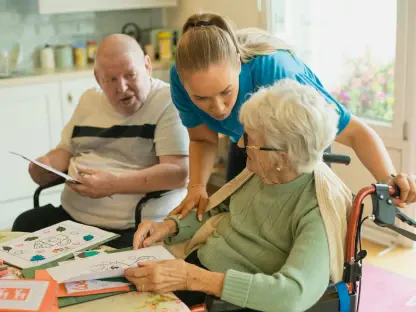
Specific examples of this transformative power are found within the daily operations of ProHealth Physicians, where practitioners like Dr. Carlos Valentin emphasize the importance of a shared Puerto Rican heritage. When interacting with patients such as Doña Ramonita Santana, the ability to communicate directly in Spanish eliminates the need for third-party interpreters, who can sometimes inadvertently strip away the nuance of a patient’s concerns. This direct line of communication creates a profound sense of dignity and autonomy for the patient, allowing them to express physical symptoms and emotional anxieties with total clarity. Because the physician understands the specific cultural idioms and health beliefs of the Puerto Rican community, the diagnostic process becomes more accurate and efficient. Patients are significantly more likely to share vital information when they do not feel the pressure of a language gap or the fear of being misunderstood. This bond allows for a nuanced care strategy that respects the individual’s identity while addressing their medical needs.
Building on this interpersonal foundation, culturally responsive care also recognizes the critical role that family structures play in the management of chronic conditions among Hispanic older adults. Dr. Valentin’s approach involves active participation from family members, such as the daughters of his patients, to ensure that the entire support system is unified behind a singular care plan. In many cultures, health is not an individual pursuit but a collective responsibility, and failing to include the family in the decision-making process can lead to poor adherence to medical advice. By inviting family into the exam room, providers can verify that medication schedules are understood and that preventive measures, such as annual vaccinations, are prioritized within the home environment. This inclusive strategy ensures that the patient’s lifestyle and social support system are aligned with the clinical goals established by the physician. Consequently, the healthcare journey becomes a shared mission, reducing the isolation that often accompanies aging and chronic illness management.
Quantifiable Impact: Driving Efficiency and Health Equity
Beyond the immediate benefits to the patient-provider relationship, there is a growing body of evidence suggesting that cultural competency is a primary driver of systemic efficiency in the healthcare sector. Large-scale organizations like Optum and UnitedHealth Group have identified that culturally tailored care models significantly reduce the incidence of medical errors and the frequency of unnecessary diagnostic testing. When a care team is bilingual and culturally trained, they can better navigate the social determinants of health that often lead to emergency room visits or hospital readmissions. From 2026 to 2028, these organizations are projected to expand their use of specialized care teams to meet the needs of increasingly diverse populations. This move toward personalized medicine is not just about empathy; it is a strategic response to the high cost of fragmented care. By ensuring that patients receive the right treatment in a language they understand, the medical system can lower the total cost of care while simultaneously improving the quality of service provided to historically underserved communities.
The shift toward culturally responsive care proved to be a necessary evolution in making the healthcare experience more simple, coordinated, and fundamentally human-centered for everyone. By removing the obstacles created by language barriers and cultural misunderstandings, providers established a new standard for preventive care and long-term health management. Moving forward, medical institutions should prioritize the recruitment of bilingual staff and the implementation of comprehensive cultural sensitivity training as core operational requirements. It was found that when the clinical environment felt like a place of belonging, patients were more engaged in their own wellness journeys, leading to sustainable improvements in public health. Systems that successfully integrated these principles saw a marked increase in patient trust and a reduction in clinical disparities across various demographics. Future strategies must focus on scaling these personalized models to ensure that every individual, regardless of their background, receives care that is as compassionate as it is clinically effective.