
The recent surge in kinetic military operations throughout the Tehran metropolitan area has revealed a devastating level of vulnerability within the civilian medical infrastructure that serves millions of residents. As military strikes targeted strategic installations in early 2026, the resulting collateral damage across eleven major hospitals highlighted a critical failure in protecting the vital organs of the public health system during active conflict. These incidents have not only disrupted the immediate delivery of trauma care but have also raised profound questions about the long-term viability of high-tech medical services in regions prone to sudden escalations. The atmospheric overpressure from high-yield explosives, even when detonated hundreds of meters away, has proven sufficient to compromise the structural integrity and operational capacity of facilities that were never intended to be part of the frontline. This crisis underscores an urgent need to evaluate how modern urban warfare impacts healthcare beyond the scope of direct casualties, focusing instead on the systemic collapse of life-sustaining technologies and the subsequent humanitarian vacuum created by such widespread structural degradation.
Physical Infrastructure and System Failures
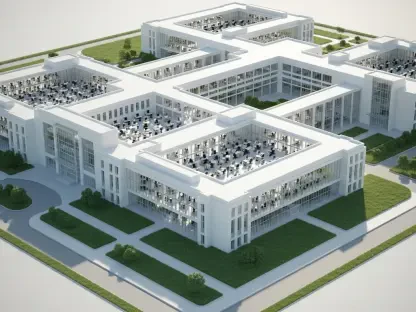
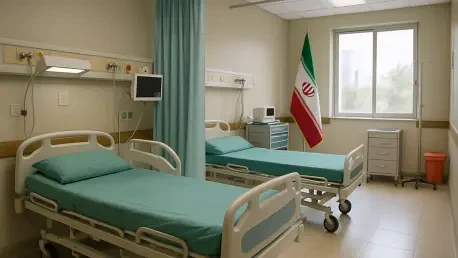
The physical toll on Iranian medical facilities following the recent strikes was primarily characterized by the immense concussive forces generated by explosions occurring in the vicinity of military and logistical hubs. While these hospitals were not the primary targets of the aerial campaign, the physics of urban combat meant that the shockwaves traveled through the dense city corridors with enough energy to shatter reinforced glass and compromise the exterior envelopes of several trauma centers. In many instances, the immediate impact was seen in the total failure of peripheral wards, where falling debris and flying glass shards turned patient rooms into hazardous zones, necessitating rapid and chaotic evacuations to the interior cores of the buildings. Structural engineers inspecting the sites found that while the primary load-bearing frames of the hospitals often remained intact, the secondary structures—such as roofs, emergency entrance canopies, and specialized ventilation shafts—suffered significant displacement. This type of damage is particularly insidious because it does not always lead to an immediate collapse but renders the environment non-sterile and unsafe for complex medical procedures or long-term patient recovery.
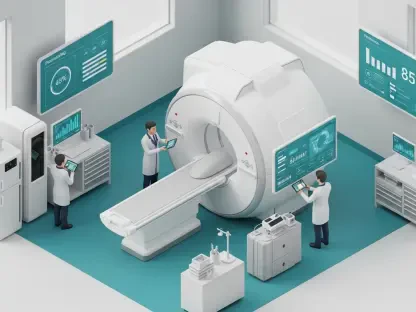
Beyond the visible cracking of walls and the destruction of facades, the more critical failures occurred within the delicate internal utility ecosystems that keep modern hospitals functional. The strikes frequently caused immediate interruptions to the municipal electrical grid, and while backup power systems were designed to engage within seconds, many were hindered by the sheer volume of dust and particulate matter generated by nearby explosions. These contaminants clogged intake filters for diesel generators, leading to overheating or mechanical failure at the exact moment when life-support systems were most needed. For neonatal intensive care units and surgical suites, these power fluctuations represented an existential threat, as ventilators and incubators require a stable and uninterrupted flow of energy to maintain the lives of the most vulnerable patients. Furthermore, the loss of climate control in the wake of window failures meant that sensitive diagnostic equipment, such as magnetic resonance imaging machines and computerized tomography scanners, were exposed to rapid temperature changes and vibrations that could knock them out of calibration or cause permanent electronic damage.
The Complications of Urban Combat Proximity
The strategic geography of Tehran presents a unique challenge for military planners and humanitarian observers alike, as the “backbone” of the city’s healthcare system is inextricably linked to the same urban centers that house government and military installations. This proximity creates a persistent risk where civilian medical facilities are essentially situated in a permanent crossfire, making it nearly impossible to isolate military targets without impacting the surrounding healthcare architecture. When a strike occurs in a densely populated metropolitan area, the blast radius of high-yield weapons often exceeds the distance between the target and the nearest hospital, turning precision strikes into events of broad collateral damage. Security analysts have noted that this reality reflects a troubling trend in 21st-century warfare, where the distinction between “military zones” and “civilian safe havens” is increasingly blurred by the sheer density of modern infrastructure. The result is a healthcare environment that is constantly on the brink of operational failure, as every escalation in regional tension directly threatens the physical space where emergency medical services are provided to the general public.
This blurring of lines between combatant and civilian spaces forces a difficult ethical and tactical conversation regarding the use of explosive weapons in metropolitan environments. Even when advanced guidance systems ensure that a missile hits its intended mark, the resulting atmospheric pressure can cause catastrophic failures in neighboring structures that are hundreds of meters away from the point of impact. For a hospital, this means that even if the building is not “hit,” it can still be “destroyed” in terms of its ability to function as a medical sanctuary. The psychological impact on both patients and staff is equally significant, as the proximity of combat operations erodes the sense of safety that is fundamental to the healing process. In the context of the 2026 strikes, this has led to a situation where the most advanced medical facilities in the country are perceived as high-risk areas, potentially driving patients away from the care they desperately need and placing healthcare workers in the impossible position of choosing between their professional duties and their personal survival in a volatile urban battlefield.
Professional Resilience and Legal Protections
In the face of these unprecedented structural and systemic challenges, the resilience demonstrated by the Iranian medical community has been nothing short of extraordinary. As explosions rocked the ground beneath their feet, hospital administrators and frontline clinicians enacted emergency protocols that had been refined through years of regional instability. These responses included the immediate relocation of critical care patients to hardened basements or windowless interior hallways to protect them from the dangers of shattered glass. Surgeons in the middle of complex procedures were forced to continue their work under the dim glow of emergency lighting, often relying on manual ventilation when automated systems failed. This dedication to the “neutrality of the medical space” served as a powerful testament to the professional ethics of the healthcare workforce, who remained at their posts despite the personal risks involved. Their ability to maintain a semblance of order in the midst of a kinetic conflict prevented the initial death toll from spiraling even higher, as they treated both the victims of the strikes and the existing patient population with limited resources.
However, the damage sustained by these facilities has reignited an intense global debate concerning the adequacy of international humanitarian law in the current era of high-intensity urban warfare. While hospitals are technically afforded special protection under various international conventions, the reality of the 2026 strikes suggests that these legal frameworks may be insufficient when faced with modern munitions that cause widespread environmental damage. Humanitarian organizations have argued that the protection of a hospital should not merely be a prohibition against direct targeting, but should also include a requirement for military forces to account for the foreseeable collateral impact of nearby strikes. The disruption of healthcare services creates a ripple effect that persists long after the smoke has cleared, leading to increased mortality from chronic diseases, delayed surgeries, and the collapse of preventative care networks. This legal and ethical vacuum highlights the need for a more robust international consensus on how to safeguard the “neutral ground” of healthcare, ensuring that hospitals can remain operational sanctuaries even when the cities surrounding them are engulfed in active conflict.
Economic Recovery and Long-Term Stability
The process of restoring the Iranian healthcare sector following the damage of early 2026 involved a massive coordination of engineering, technical, and financial resources. Recovery teams were tasked with conducting exhaustive safety audits on each of the eleven affected hospitals, identifying which wings were structurally sound enough to reoccupy and which required total reconstruction. This was not merely a matter of masonry and glass; it required the specialized recalibration of billions of dollars worth of medical technology that had been jarred by the concussive force of the explosions. The financial burden of these repairs placed an immense strain on the national healthcare budget, forcing the government to divert funds from primary care and public health initiatives to cover the costs of emergency reconstruction. This shift in spending created its own set of long-term health risks, as the focus on physical restoration came at the expense of staffing and pharmaceutical supplies. The economic recovery was further complicated by the fact that many international medical equipment suppliers were hesitant to send technicians into an active conflict zone, leading to significant delays in returning the most advanced diagnostic services to full capacity.
Looking back at the events that transpired during the peak of the 2026 crisis, the international community recognized that the preservation of healthcare infrastructure was a prerequisite for any form of regional stability. The strategic takeaway was that military planners must integrate a “healthcare-first” approach into their tactical assessments, prioritizing the avoidance of atmospheric damage to hospitals as a core component of mission success. Actionable steps toward this goal included the proposal of international “no-strike” electronic beacons that could be placed in medical facilities to provide real-time location data to all combatants, as well as the development of hardened, modular medical units that can be rapidly deployed to replace damaged wings. Furthermore, diplomatic efforts were intensified to create clear humanitarian corridors that are shielded not just from direct fire, but from the environmental consequences of nearby kinetic actions. Ultimately, the lessons learned from the structural failures in Tehran prompted a global reassessment of how modern cities are defended and how the essential services that sustain human life can be insulated from the devastating realities of contemporary urban warfare.