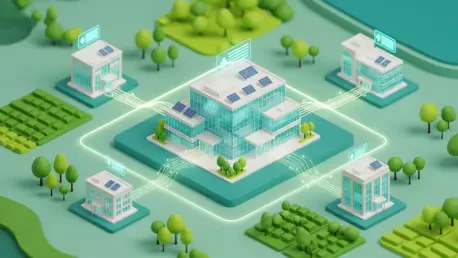

The stark geographic divide in medical accessibility has historically left millions of residents in sparsely populated areas navigating a system that often prioritizes urban density over rural necessity. For decades, the narrative surrounding healthcare in small towns was one of perpetual decline, characterized by hospital closures, dwindling physician counts, and a general sense of being left behind by technological progress. However, the landscape in 2026 reflects a profound shift in strategy, driven by a move from simple survival to a comprehensive transformation of delivery models. Central to this evolution is the Rural Health Transformation Program, an initiative that provides the financial and structural support needed to move away from outdated models. Instead of attempting to replicate the massive, centralized infrastructure of metropolitan medical centers, rural systems are now focusing on creating flexible, sustainable frameworks tailored to the specific demographic and economic realities of their local environments. This transition marks a departure from the reactionary “survivalist” mindset and embraces a forward-looking approach where the unique challenges of rural life are integrated into the solutions themselves.
Building a Foundation: The Strategic Pillars of Change
A sustainable transformation of rural medical systems relies on five interconnected pillars that collectively address the systemic weaknesses of the past. These pillars—community engagement, strategic governance, workforce innovation, digital infrastructure, and clinical excellence—function as the backbone of a modern healthcare ecosystem. Effective community engagement ensures that healthcare services are not merely available but are also culturally relevant and trusted by the residents they serve. This trust is vital because, in many small towns, the local clinic or pharmacy is more than just a medical provider; it is a foundational part of the social fabric. By involving local leaders and patients in the design of care models, healthcare organizations can ensure that their initiatives address the actual needs of the population, such as chronic disease management and preventive screenings, rather than just offering generalized services that may not be accessible or appropriate for the local demographic.
Building on this foundational trust, the physical and digital infrastructure of rural healthcare must be reimagined to facilitate a seamless flow of information and resources. In the current 2026 environment, the emphasis has shifted toward data interoperability, which is considered the “table stakes” for high-quality care. Historically, rural providers often operated in information silos, where a patient’s medical history was fragmented across different disconnected facilities. Today, establishing a shared, longitudinal view of the patient is essential for managing complex cases and intervening early in high-risk situations. When primary care, behavioral health specialists, and local social services all operate from a unified data set, the result is a coordinated effort that reduces redundant testing and prevents medical errors. This interoperable backbone allows rural systems to prove their value through measurable clinical outcomes, ensuring that quality is defined by the health of the community rather than the sheer volume of patients seen in a day.
Workforce Innovation: Integrating Technology and Human Expertise
The persistent shortage of medical professionals in rural areas has necessitated a radical rethinking of how the existing workforce is deployed and supported. Rather than viewing technology as a cold replacement for human interaction, modern rural health systems are utilizing it as a powerful enhancer that allows clinicians to operate at their most effective levels. Telehealth has evolved far beyond simple video calls; it now encompasses comprehensive remote patient monitoring and virtual consultations with specialists located hundreds of miles away. By integrating these tools into daily workflows, small clinics can offer specialized services that were previously only available in major cities. Artificial intelligence also plays a critical role in this new era by automating administrative tasks and pre-screening diagnostic data, which significantly reduces the burden on local staff. This allows physicians and nurses to spend more time on direct patient care, effectively mitigating the burnout that has long plagued rural medicine and ensuring that the human element remains at the center of the clinical experience.
This technological integration naturally supports the “top-of-license” practice model, which has become a hallmark of efficient rural healthcare delivery in 2026. This model empowers every member of the medical team, including nurses, medical assistants, and community health workers, to perform the highest-level tasks for which they are trained. By shifting routine administrative duties and basic health monitoring to specialized care coordinators, registered nurses and physicians can focus on complex clinical decision-making. This team-based approach not only expands the capacity of the local workforce but also creates a more supportive and sustainable professional environment. Community health workers, who often possess deep local knowledge and high levels of trust within their neighborhoods, serve as the bridge between the clinic and the patient’s home. Their role in educating patients about medication adherence and nutritional habits is instrumental in preventing the escalation of chronic conditions, demonstrating that a diversified workforce is just as important as a technologically advanced one.
Value-Based Care: Aligning Financial Incentives with Wellness
The financial stability of rural healthcare depends on a transition away from traditional fee-for-service models, which often penalize low-volume providers for their location. Value-based care serves as the necessary financial engine for this transformation, aligning payments with patient outcomes and the overall quality of care rather than the number of procedures performed. Because rural hospitals often serve smaller populations, they cannot rely on the high patient turnover that urban centers use to stay solvent. By prioritizing preventive care and the management of chronic diseases, these facilities can achieve better health outcomes for their residents while securing a more predictable and sustainable revenue stream. This shift encourages health systems to invest in long-term wellness initiatives that reduce the need for expensive emergency room visits and hospitalizations, proving that financial success in healthcare can be directly linked to the well-being of the population.
However, the path to full financial risk-taking requires a deliberate and phased approach, often referred to as a “glidepath” toward value-based models. Many rural organizations are currently utilizing hybrid arrangements that allow them to build their internal data management and care coordination capabilities before assuming full financial accountability for patient populations. This collaboration is further enhanced by shared accountability models, where multiple regional providers pool their resources and risk. By working together, local clinics and regional hospitals can achieve the scale necessary to negotiate better terms with insurers and invest in sophisticated diagnostic equipment. This cooperative spirit represents a major shift from the competitive mindset of the past, as it recognizes that the survival of the rural medical infrastructure depends on mutual support and a collective focus on the reduction of avoidable medical utilization.
Strategic Execution: Realizing a Resilient Medical Future
The successful execution of rural healthcare transformation required a disciplined commitment to local innovation and a total rejection of the “urban replication” trap. Leaders in the field understood that medical models designed for high-density environments could not simply be imported into sparsely populated regions without significant modification. Instead, the focus was placed on building resilient systems that utilized scalable technology to meet specific local challenges. This included creating deep partnerships that extended beyond the clinical walls into the broader social fabric of the community, such as coordinating with local transportation authorities and food banks to address the social determinants of health. By grounding these solutions in local insights, rural health systems created operating models that remained effective and solvent even after initial federal funding periods concluded. The goal was to build a permanent infrastructure that could withstand economic fluctuations while maintaining a high standard of patient care.
In hindsight, the strategic decisions made during this pivotal period established a legacy of improved access and equity for millions of residents across the country. By leveraging data-driven insights and team-based workforce models, rural communities moved beyond the era of managing scarcity and toward a future characterized by medical abundance. The integration of advanced digital tools with deeply rooted community trust proved that geographic location did not have to dictate the quality of a person’s life. Stakeholders recognized that intentional action was the only way to ensure that rurality became a platform for innovation rather than a barrier to excellence. Moving forward, the continued evolution of these systems will likely focus on refining predictive analytics to identify emerging health trends even earlier, further cementing the role of rural providers as leaders in proactive population health management. The transformation confirmed that when financial incentives, technological tools, and human expertise are properly aligned, the health of the rural landscape can be preserved for generations.