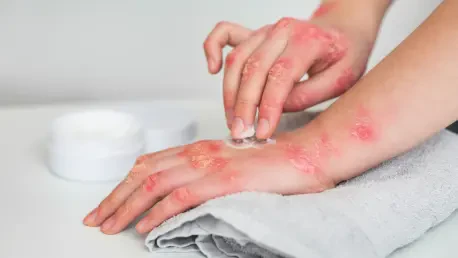

The familiar sight of a child’s itchy, red skin rash, commonly diagnosed as eczema, often prompts parents to focus solely on topical treatments and skin comfort. However, this persistent dermatological issue can be the first clue in a much larger puzzle, signaling a child’s predisposition to a cascade of allergic conditions, including asthma and food allergies, particularly as families spend more time indoors during the colder winter months. This progression, known as the “atopic march,” suggests that eczema is not merely a skin-deep problem but an early warning sign of an underlying systemic immune response that requires a more comprehensive and integrated approach to management. Understanding this connection is crucial for parents and caregivers to look beyond the visible symptoms and recognize the potential for related health challenges to emerge, allowing for earlier intervention and a more holistic strategy to improve a child’s overall well-being and quality of life.
Understanding the Atopic Connection
The Dysfunctional Skin Barrier
The fundamental link between atopic dermatitis and subsequent allergic conditions lies within the skin’s compromised barrier function. In children with eczema, the skin is structurally impaired, making it more permeable and less effective at protecting the body from the outside world. Dr. Dareen D. Siri, a board-certified allergist and immunologist, explains that this dysfunction allows environmental allergens, which become more concentrated indoors during winter, to penetrate the skin’s outer layers. Common culprits like dust mites, pet dander, and mold can bypass this weakened defense system, triggering an initial immune response directly within the skin. This constant exposure and resulting inflammation set the stage for systemic sensitization. The body’s immune system, repeatedly activated by these allergens entering through the skin, learns to recognize them as threats. This process is the first critical step in the atopic march, where a localized skin issue begins to prime the entire immune system for a broader allergic response that can later manifest in different parts of the body.
This chronic immune activation initiated through the skin has profound long-term implications, significantly increasing a child’s risk of developing other atopic diseases. Once the body is sensitized to environmental allergens, the immune system may begin to overreact to other substances, leading to the development of food allergies or respiratory conditions like asthma. Parents are therefore advised to be vigilant for warning signs that extend beyond skin flare-ups. Symptoms such as adverse reactions after eating certain foods, or respiratory issues like persistent coughing, wheezing, and shortness of breath, can indicate that the atopic march is progressing. Recognizing these interconnected symptoms is vital for early diagnosis and intervention. By viewing eczema as a potential gateway to other allergic conditions, caregivers can work with healthcare providers to monitor for these developments and implement strategies aimed at managing the underlying allergic inflammation, not just its visible manifestation on the skin, potentially altering the long-term trajectory of the child’s health.
Proactive Home Management Strategies
A critical aspect of managing atopic dermatitis and mitigating the atopic march involves proactive and consistent home care, starting with dispelling common myths about bathing. Contrary to the belief that bathing should be limited to avoid drying out the skin, infrequent washing can exacerbate symptoms. Sweat, accumulated allergens, and bacteria can build up on the skin’s surface, leading to increased irritation and infection risk. The recommended approach is a “soak and seal” method. This involves short, daily baths in warm—not hot—water for about five to ten minutes, using a gentle, fragrance-free cleanser. The key to this strategy is what happens immediately after the bath. Within three minutes of patting the skin dry, a thick layer of moisturizer or emollient should be applied to the entire body. This crucial step locks in the hydration absorbed during the bath, helps repair the dysfunctional skin barrier, and creates a protective layer against environmental irritants. This simple yet effective routine can significantly reduce the severity of flare-ups and support the skin’s natural function.
Beyond bathing, creating a skin-friendly home environment is essential for comprehensive atopic dermatitis management. This begins with a consistent moisturizing routine, applying emollients at least twice daily, even when the skin appears clear, to maintain its barrier integrity. The choice of products is equally important; all cleansers, lotions, and laundry detergents should be free of fragrances, dyes, and harsh chemicals that can trigger irritation. Fabric selection also plays a significant role in a child’s comfort. Soft, breathable materials like 100% cotton are ideal, while potentially irritating fabrics such as wool or synthetic blends should be avoided, especially in clothing and bedding that comes into direct contact with the skin. By implementing these multifaceted home-care practices, families can create a supportive environment that minimizes exposure to common triggers, soothes irritated skin, and strengthens the body’s first line of defense, thereby helping to control eczema symptoms and reduce the overall inflammatory burden on the child’s system.
Modern Approaches to Managing Atopic Conditions
Emerging Therapeutic Options
Significant advancements in dermatological treatments have provided new hope for families managing the interconnected challenges of eczema, asthma, and allergies. Recent data presented at an American College of Allergy, Asthma & Immunology (ACAAI) meeting highlighted the promise of Vtama (tapinarof) cream 1%, a once-daily, steroid-free topical therapy. Clinical trials involving children as young as two years old demonstrated that the cream led to substantial improvements across several key metrics. Participants experienced significant skin clearance, a marked reduction in pruritus (itch), and enhanced sleep quality. Notably, these positive outcomes were observed regardless of whether the children had co-existing conditions like asthma or other allergies. The efficacy of such treatments represents a major step forward, offering a potent solution that addresses the primary symptoms of atopic dermatitis without the potential long-term side effects associated with corticosteroids, such as skin thinning or systemic absorption, which are of particular concern in pediatric populations.
The availability of effective and safe topical options like tapinarof is crucial for developing personalized and sustainable care plans, especially for patients navigating multiple atopic diseases simultaneously. For children who suffer from eczema alongside asthma or food allergies, managing their conditions requires a delicate balance. A reliable, non-steroidal topical treatment can serve as a cornerstone of their regimen, effectively controlling skin inflammation and itch without complicating the management of their other conditions. This allows clinicians to create a more tailored and holistic strategy that addresses the child’s overall health. By reducing the skin’s inflammatory burden and improving its barrier function, these advanced therapies can help diminish a major source of discomfort and potentially reduce the likelihood of systemic immune activation. This integrated approach, bolstered by innovative treatments, empowers healthcare providers and families to manage the chronic nature of atopic diseases more effectively, leading to a better quality of life.
The Shift Toward Holistic Management
The close and causal relationship between eczema, asthma, and allergies has underscored the need for a shift toward integrated, holistic care models. Because these conditions share a common root in underlying allergic inflammation, treating them in isolation can be inefficient and less effective. An allergist is uniquely positioned to manage this triad of conditions collectively, as they possess the expertise to diagnose and treat the systemic immune dysfunction that drives the atopic march. By addressing the root cause rather than just the symptoms in one organ system—be it the skin, lungs, or digestive tract—a comprehensive treatment plan can be formulated. This approach aims to reduce flare-ups across all related conditions, improve asthma control, and enhance overall well-being. Early and comprehensive management of the underlying allergic pathways can potentially alter the long-term progression of atopy, preventing or lessening the severity of subsequent allergic diseases and breaking the cycle of the atopic march.
It was through this integrated lens that a better understanding of atopic diseases was forged, leading to more effective management strategies for countless families. Dispelling persistent myths became a crucial step; reassuring parents that eczema was not contagious nor a reflection of their caregiving helped empower them to seek proactive solutions. The recognition that these conditions were interconnected and manageable with the right support system and a coordinated treatment plan marked a significant turning point. With proper education and access to advanced therapies, the chronic burden of atopic disease was lessened, enabling children to achieve a much-improved quality of life. This holistic perspective ensured that treatment focused not just on a single symptom but on the child as a whole, paving the way for a future where the atopic march could be effectively controlled.