
The arrival at a medical facility often serves as the most critical moment for establishing trust and comfort between a healthcare provider and a patient. For many visitors, the medical journey begins not at the doctor’s office or the registration desk, but the moment they turn into the hospital driveway and seek a place to leave their vehicle. As healthcare systems expand to meet growing community needs, the parking garage is being reimagined as the “first impression” of an institution, serving as a vital touchpoint that reflects a hospital’s core values. The Blue Parking Structure at the Froedtert & Medical College of Wisconsin health network campus in Wauwatosa illustrates this shift, transforming a traditionally utilitarian space into a welcoming gateway. By prioritizing the arrival experience through thoughtful architecture, healthcare providers can establish a sense of transparency and professional care before a patient even enters the main lobby. This approach recognizes that the physical environment plays a fundamental role in shaping perceptions of safety and administrative competence.
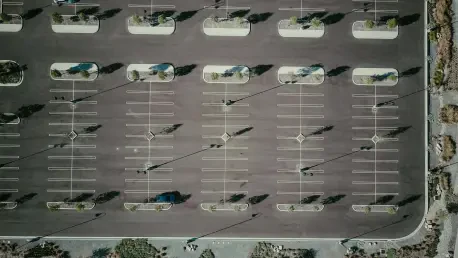
Medical appointments are frequently accompanied by high levels of anxiety, which can be significantly worsened by the navigation of dark, cramped, or confusing parking facilities. To combat “decision fatigue,” modern healthcare architecture focuses on reducing the cognitive load on drivers through radically simplified layouts and structural clarity. Replacing traditional sloped floors with flat-deck designs ensures better sightlines and more intuitive movement throughout the facility. When every floor follows a mirrored, consistent layout, visitors can more easily locate exits, stairs, and elevators, reducing the psychological stress of orientation in an unfamiliar and high-stakes environment. By removing the physical barriers and visual clutter common in older structures, designers create an atmosphere where patients feel in control of their journey from the moment they park. This emphasis on simplicity allows individuals to focus their mental energy on their health and consultation rather than the logistics of navigating a labyrinthine concrete structure.
Enhancing Navigation Through Architectural Innovation
Wayfinding and Natural Illumination
Effective navigation in a large-scale healthcare facility relies on more than just static signage; it is often a direct result of the building’s inherent physical transparency. The implementation of custom ventilated glass and open-air designs allows natural light to penetrate deep into the parking decks, creating a much brighter and safer atmosphere for pedestrians and drivers alike. In the case of the Blue Parking Structure, approximately 10,000 square feet of gradient glass serves as a functional tool to eliminate dark corners and cast a soft, even glow across the interior. These glass elements can also serve as visual beacons, using subtle color gradients and light play to draw visitors naturally toward skybridges and elevator banks without the need for excessive verbal directions. This integration of light and form ensures that the transition from the vehicle to the medical facility feels seamless, inviting, and inherently safe for all users regardless of their familiarity with the site.
Beyond the immediate psychological benefits of a well-lit space, natural illumination contributes to a sense of clarity that is often missing in traditional underground or enclosed garages. By utilizing specialized materials like fritted glass, architects can manage glare while maximizing the intake of vitamin-D-rich sunlight, which is known to have a calming effect on anxious visitors. The transparency of the facade also allows for better exterior awareness, enabling patients to maintain a visual connection with the surrounding campus and their final destination. This continuous line of sight reduces the feeling of being “trapped” in a utility building and reinforces the idea that the parking structure is an integral, open part of the healthcare environment. When people can see where they are going and where they have been, their spatial confidence increases, directly translating to a more positive and relaxed patient experience during the crucial minutes before a medical consultation begins.
Aesthetics and Environmental Harmony
A well-designed parking structure should feel like a cohesive part of the medical campus rather than an isolated utility or an architectural afterthought. By utilizing materials that echo the design of surrounding patient towers, such as specific metal finishes and glass types, architects create a unified aesthetic that promotes a sense of professional care and institutional stability. The use of custom patterned perforated metal panels can provide a sophisticated texture that masks the heavy concrete of the garage, allowing it to blend into the campus skyline with grace. This visual harmony signals to the patient that the same level of detail and quality found in the surgical suite or the oncology ward has been applied to every facet of the facility. This continuity of design helps build a brand identity centered on excellence and meticulous attention to the human experience, which is essential for fostering long-term patient loyalty and community trust.
Beyond visual appeal, these design choices often incorporate sustainable features that align the facility’s operations with the hospital’s broader mission of health and environmental responsibility. Modern structures utilize passive ventilation systems that leverage natural airflow, significantly reducing the energy consumption and maintenance costs associated with heavy-duty mechanical fans. Furthermore, the selection of bird-safe glass and low-VOC coatings demonstrates a commitment to the local ecosystem and the well-being of the surrounding community. This approach ensures that the building is not only a functional asset for today but also a responsible neighbor for the future. By merging environmental stewardship with architectural beauty, healthcare organizations prove that their mission to “do no harm” extends beyond medicine and into the very fabric of the built environment, creating a healing space that respects both the people it serves and the world they inhabit.
Technical Sophistication and Long-Term Value
Integrating Technology and Safety Features
The modern parking experience is increasingly defined by the integration of smart technology designed to streamline the arrival process and eliminate common stressors. Real-time vehicle guidance systems, featuring dynamic digital signage, inform drivers of space availability on each level as they enter the facility, preventing the frustration of aimless circling and late arrivals. These systems utilize advanced sensors to track occupancy, providing data that can be used to optimize traffic flow during peak hours and improve overall campus logistics. Safety is further enhanced through passive security measures, such as extended parapets that provide falls protection and high-output LED lighting that eliminates shadows. Additionally, practical infrastructure like snow-melting systems in high-traffic pedestrian zones prevents winter hazards and reduces the liability risks associated with slips and falls. These technological layers work together to create a high-performance environment that feels managed and secure at all times.
Beyond simple guidance, the inclusion of electric vehicle charging stations reflects a forward-thinking commitment to modern transportation needs and the evolving preferences of the patient population. As the transition toward sustainable transit continues, providing accessible charging infrastructure becomes a baseline expectation for premier healthcare institutions. Integrated car counting systems and sophisticated access control also provide administrators with the tools necessary to manage the facility efficiently, ensuring that spaces are prioritized for those who need them most. The combination of these digital and physical safety features creates a “smart” arrival experience that anticipates the needs of the visitor before they even park their car. By investing in these technologies, healthcare providers demonstrate a proactive stance toward patient service, utilizing modern tools to remove the friction points that traditionally plague the start of a hospital visit, thereby setting a tone of efficiency for the care that follows.
Durability and Infrastructure Longevity
Investing in high-quality materials and advanced engineering ensures that healthcare infrastructure remains functional and attractive for decades despite constant exposure to the elements. Utilizing custom-patterned metal panels and high-durability coatings allows a structure to withstand heavy use, salt exposure, and harsh weather conditions while requiring minimal ongoing maintenance. With a projected service life of approximately 75 years, these facilities represent a significant long-term commitment to operational efficiency and fiscal responsibility. Choosing materials like ventilated architectural glass and specialized metal alloys prevents the premature degradation often seen in traditional concrete garages, such as spalling and staining. This focus on longevity means that the “first impression” remains positive for future generations of patients, maintaining the facility’s aesthetic and structural integrity without the need for frequent, disruptive renovations that can interfere with campus access and patient care.
When functionality and durability are merged with patient-centered design, the parking structure becomes a high-performance asset that supports the hospital’s mission of care from the very first step of the journey. This holistic approach to infrastructure recognizes that a building’s value is measured not just in its square footage, but in its ability to serve its occupants reliably over a long period. By selecting materials that are easy to clean and resistant to the rigors of a high-traffic medical campus, administrators can ensure that the facility always appears professional and well-maintained. This attention to detail reflects the institution’s overall standards of hygiene and care, subtly reassuring patients that they are in an environment where nothing is overlooked. Ultimately, a durable and well-conceived parking structure acts as a silent partner in the healthcare delivery process, providing a stable and welcoming foundation that allows the medical staff to focus on their primary goal: healing the people who arrive through its doors.