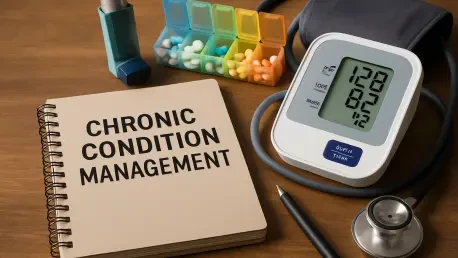

Imagine a health care system where patients with multiple chronic conditions no longer fall through the cracks, where fragmented care and conflicting advice are replaced by seamless coordination and personalized support. This vision is becoming a reality for many as over a quarter of US adults grapple with multiple chronic conditions (MCC), a challenge compounded by an aging population and complex social needs, especially in low-income and underserved communities. The strain on health care systems is immense, with rising hospitalization rates and poor outcomes underscoring the urgent need for innovative solutions. Integrated care models, which prioritize coordination and patient-centered strategies, are stepping into the spotlight as potential game-changers. But can they truly transform the management of chronic conditions? A groundbreaking randomized controlled trial (RCT) focusing on publicly insured adults in Pennsylvania offers compelling insights. By comparing distinct care delivery methods, this study sheds light on how health systems might adapt to shrinking resources while addressing the intricate needs of MCC patients. The journey to better outcomes starts with understanding the problem and exploring whether integrated approaches can deliver on their promise. Let’s dive into the challenges, the strategies being tested, and the results that could reshape chronic condition management for millions.
Unpacking the Burden of Multiple Chronic Conditions
The sheer scale of multiple chronic conditions in the US is staggering, with a significant portion of the population managing two or more ongoing health issues at once. This isn’t just a statistic—it’s a daily reality for millions, particularly as the population ages and the overlap of physical and behavioral health problems becomes more common. The pressure on health care systems to respond effectively is relentless, as MCC patients often require frequent interventions, specialized treatments, and long-term support. Without innovative approaches, the cycle of poor health outcomes and overburdened providers is likely to persist. What’s clear is that business as usual won’t cut it when addressing a challenge of this magnitude, especially for vulnerable groups who bear the heaviest load.
Digging deeper, low-income individuals and underserved communities face an uphill battle with MCC, often experiencing higher hospitalization rates and worse overall health compared to other groups. Social determinants like limited access to care, inadequate housing, or food insecurity amplify these struggles, making effective management even trickier. Add to that the complexity of navigating multiple providers and treatment plans, and it’s no surprise that outcomes suffer. Fragmented care systems only worsen the situation, leaving patients caught between conflicting recommendations and unmet needs. Integrated care models aim to bridge these gaps by creating a more cohesive experience, but the question remains whether they can tackle such deeply rooted issues with the necessary depth and reach.
Comparing Innovative Care Delivery Approaches
Turning to potential solutions, recent research has zeroed in on how different care delivery methods might improve outcomes for MCC patients. One approach, known as high-touch, focuses on in-person engagement, bringing care managers directly into patients’ homes or community settings for extended periods. This method banks on the power of face-to-face interaction to build trust and address needs in real time. It’s resource-intensive, no doubt, but the personalized attention could be key for those with complex conditions who thrive on direct support. Exploring how this stacks up against other strategies reveals much about what drives success in chronic care management.
On another front, the high-tech approach harnesses digital tools like remote patient monitoring, video visits, and biometric feedback to keep tabs on patients from a distance. Think of it as care management for the digital age, offering convenience and the potential to scale across larger populations. By providing smartphones and data plans to participants, this method seeks to overcome barriers to technology access, ensuring broader reach. However, it’s worth asking whether virtual connections can match the depth of in-person care, especially for outcomes tied to behavior or emotional well-being. Meanwhile, optimal discharge planning (ODP) offers a third path with short-term telephonic support after hospital stays, aiming for a smooth transition but with less intensity over time. Comparing these methods side by side offers a window into their unique strengths and limitations.
Prioritizing What Matters to Patients
Shifting the focus, managing MCC isn’t just about treating diseases—it’s about improving lives through a lens that prioritizes patient-centered outcomes. Traditional research often narrows in on specific conditions, tracking metrics like blood sugar levels for diabetes or blood pressure for hypertension. Yet, with MCC, a broader view is essential. Outcomes like overall health status, quality of life, patient activation, functional ability, and care satisfaction paint a fuller picture of impact. This holistic approach reflects a growing recognition that health care must adapt to the whole person, not just isolated symptoms, if it’s to make a lasting difference.
Moreover, this emphasis on patient-centered metrics aligns with evolving health policy and practice, where the goal is to tailor interventions to individual needs and preferences. Reducing hospital readmissions is important, of course, but so is ensuring patients feel empowered, supported, and satisfied with their care. When interventions are judged on these wider measures, the true value of integrated care models comes into focus. It’s not merely about cutting costs or hospital visits; it’s about fostering a sense of well-being and control for those navigating multiple health challenges. This shift in perspective is critical as health systems seek sustainable ways to support complex populations over the long haul.
Diving into a Pioneering Research Effort
A landmark RCT conducted in Pennsylvania provides a treasure trove of data on how integrated care might reshape MCC management. Targeting Medicaid and dually eligible beneficiaries fresh from hospital discharge, this study enrolled over 1,300 participants with intricate health and social needs. By randomly assigning them to high-touch, high-tech, or ODP interventions, researchers created a robust framework to compare how each delivery method influences outcomes. The scale and rigor of this trial make it a pivotal piece of the puzzle in understanding what works for publicly insured adults facing chronic health battles.
Further detailing the effort, the trial unfolded over several years, ensuring a comprehensive look at both short- and long-term effects. A dedicated team of registered nurses and licensed clinical social workers delivered care, adapting to the demands of each method while maintaining consistency in core elements like coordination, education, and resource linkage. Whether conducting in-home visits, facilitating video check-ins, or providing telephonic guidance, the team’s structured approach offers a real-world test of how integrated care can operate under varied conditions. These insights are invaluable for health systems looking to refine their strategies amid resource constraints and growing demand for effective chronic care solutions.
Unpacking Unexpected Readmission Results
One of the trial’s central aims was to curb hospital readmissions within 90 days, a common benchmark for gauging care management success. The initial hypothesis leaned toward high-touch care delivering the strongest results, given its intensive, personal nature. Yet, the findings took a surprising turn: no significant differences emerged across the high-touch, high-tech, or ODP groups. A striking majority of participants avoided readmission altogether, defying historical patterns for this high-risk population. This outcome prompts a rethink of long-held assumptions about what drives hospital returns in MCC patients.
Building on this, the lack of variation across demographic or clinical subgroups adds another layer of intrigue. Whether looking at age, race, or illness complexity, the readmission rates held steady regardless of the intervention received. This consistency suggests that factors beyond delivery method—perhaps the very act of receiving structured care—may play a bigger role in preventing hospital stays than previously thought. It challenges health systems to look deeper into underlying drivers of readmissions, beyond just the mode of interaction. While unexpected, these results open the door to more flexible program designs that don’t hinge solely on in-person support to achieve critical goals.
Highlighting Gains in Health and Well-Being
Beyond readmissions, the trial cast a wide net to measure improvements in health status using standardized tools like surveys capturing participants’ self-reported well-being. Across the board, patients in all intervention groups noted significant gains over time, reflecting a positive trend in how they perceived their own health. What’s striking, though, is that no single method—be it high-touch, high-tech, or ODP—stood out as markedly better. This uniformity hints at a powerful truth: the presence of any structured care management can spark meaningful progress, regardless of how it’s delivered.
Expanding on these gains, quality of life and functional status mirrored this pattern of steady improvement across all participants. Whether able to perform daily tasks more easily or feeling a greater sense of overall contentment, patients benefited similarly no matter the approach. Care satisfaction also saw a notable uptick, with individuals expressing appreciation for the support they received. These findings underscore a key point: the core components of integrated care, like consistent follow-up and resource connection, carry weight in enhancing well-being. It’s a compelling case for prioritizing coordination over specific modalities when designing interventions for MCC populations.
Emphasizing Engagement Through Personal Connection
While many outcomes showed parity across methods, patient activation—reflecting a person’s confidence and skills in managing their health—revealed a distinct edge for the high-touch approach. Participants receiving in-person care demonstrated a more substantial increase in activation over time compared to those in the ODP group, who had shorter, telephonic interactions. This difference likely stems from the trust and motivation fostered through direct, face-to-face engagement, which can be harder to replicate through a screen or over the phone. It’s a reminder that human connection often plays a unique role in behavioral change.
Delving further, this advantage of high-touch care held true across diverse subgroups, showing no bias toward specific ages, races, or levels of illness complexity. Such broad applicability suggests that personal interaction can empower a wide range of MCC patients to take charge of their health. While technology offers scalability, these results argue for keeping in-person options on the table, especially for outcomes tied to self-management. Balancing the benefits of digital tools with the irreplaceable value of human touch could be the sweet spot for future care models aiming to maximize engagement and long-term success.
Addressing Fairness and Reach in Care Models
Scaling care management to broader populations while maintaining fairness is a pressing issue, particularly with workforce shortages looming over health care systems. The Pennsylvania trial offers encouraging news on this front, finding no significant disparities in outcomes across age, race, or illness severity. This equity across subgroups indicates that integrated care, even when tech-driven, can serve diverse groups without widening existing gaps. It’s a crucial insight for ensuring that innovations don’t inadvertently leave some behind while benefiting others.
In addition, the high-tech intervention’s success, bolstered by providing smartphones and data plans, challenges concerns about a digital divide in health care delivery. Accessibility barriers were minimized, allowing participants from varied backgrounds to engage with remote monitoring effectively. This adaptability points to a future where health systems can tailor approaches based on available resources and patient preferences without sacrificing fairness. By blending high-touch, high-tech, and telephonic methods, there’s potential to create scalable solutions that reach more people while upholding equity—a balancing act that’s vital for tackling the MCC epidemic on a national level.
Shaping the Future of Chronic Care Systems
Reflecting on the trial’s broader implications, there’s much to glean for payers and providers aiming to overhaul MCC management. The comparable results across high-touch, high-tech, and ODP interventions signal a newfound flexibility in program design. Health systems can mix and match delivery methods to suit staffing levels, budget constraints, and regional needs without fearing a drop in care quality. This adaptability proved essential when navigating challenges like limited personnel, ensuring that patient outcomes remained strong even under pressure.
Looking ahead, the consistent improvement in health status, quality of life, and care utilization across all groups highlighted the transformative power of structured coordination. Core elements—education, follow-up, and linking to resources—emerged as non-negotiable drivers of success, no matter the delivery mode. Health care leaders took note, using these insights to craft programs that prioritized integration over fragmentation. As the landscape continued to evolve, the evidence from this trial served as a roadmap, guiding efforts to manage chronic conditions on a massive scale while meeting the diverse needs of millions. It marked a pivotal step toward a more cohesive, responsive system for years to come.