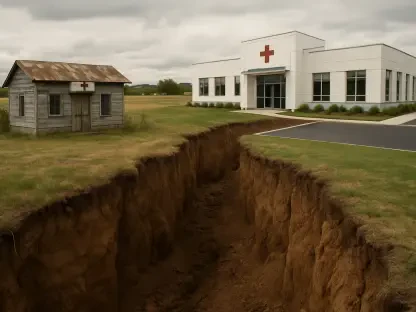

In a world where scientific breakthroughs and medical innovations have the power to save countless lives, it’s heartbreaking to hear that child mortality rates are climbing for the first time this century. This alarming trend, driven by a steep drop in global health funding, has caught the attention of Bill Gates, co-founder of Microsoft Corp., who is sounding a dire warning. Through the Gates Foundation’s latest Goalkeepers report, Gates highlights a tragic reversal of decades of progress, with millions of young lives now at risk. The numbers are staggering, and the causes are clear: slashed budgets, reduced government aid, and a failure to prioritize the most vulnerable. This issue isn’t just a statistic—it’s a moral failing that demands urgent action. As Gates pushes for renewed investment and policy changes, the question looms: will global leaders step up before it’s too late? The stakes couldn’t be higher for children around the world who depend on these life-saving programs.
A Troubling Reversal in Child Health Progress
The progress made over decades in reducing child mortality is unraveling at an alarming pace, with projections painting a grim picture for the coming years. According to the Institute for Health Metrics and Evaluation, an estimated 4.8 million children under five are expected to die this year, a rise from the previous year’s 4.6 million. This marks a devastating milestone, as it’s the first increase in child deaths in this century. Bill Gates, speaking through the Gates Foundation’s annual report, points to a nearly 27% drop in global health assistance as the primary culprit. This funding shortfall has crippled programs that provide vaccinations, nutrition, and basic care to the most vulnerable populations. What’s worse, many of these deaths are preventable with the right resources. The frustration lies in knowing that the tools to save lives exist—advanced science and proven interventions are ready—but the financial support to deploy them is vanishing.
Moreover, the ripple effects of this funding crisis extend far beyond immediate numbers. When health programs lose support, entire communities suffer, particularly in low-income regions where access to care is already limited. Gates has emphasized that this isn’t just a temporary setback but a systemic failure that could erase years of hard-won gains. The United States, historically a leader in global health aid, has contributed to this decline by dismantling key programs and slashing budgets for agencies like USAID. This decision has left a gaping hole in resources that other nations and private donors struggle to fill. Without a coordinated effort to reverse these cuts, the trajectory for child survival looks increasingly bleak. Gates warns that the current generation risks being remembered as one that had the means to act but failed to do so, letting bureaucracy and misplaced priorities stand in the way of saving lives.
The Urgent Call for Government Action and Investment
Turning the tide on this crisis requires more than good intentions—it demands substantial, sustained government commitment, as Gates has repeatedly stressed. Private donations, while impactful, cannot bridge the massive gap left by a 21% reduction in government aid compared to last year. During the recent Goalkeepers event, Gates outlined a bold vision to save millions of children over the next two decades by expanding access to life-saving innovations like vaccines and maternal health services. However, he made it clear that this can only happen with robust public funding and smarter resource allocation. His foundation has stepped up with a $912 million pledge to fight diseases like AIDS, tuberculosis, and malaria, but this is just a fraction of what’s needed. The message is unmistakable: governments must lead the charge, leveraging their scale and influence to prioritize global health as a moral and strategic imperative.
In addition, Gates has taken his advocacy directly to the highest levels of power, meeting with President Donald Trump at the White House earlier this year to discuss the critical role of U.S. leadership in global health initiatives. This conversation underscored the importance of maintaining America’s historic commitment to foreign aid, which has saved countless lives over the years. Yet, with major cuts to aid programs already in motion, the path forward remains uncertain. Gates argues that investing in child health isn’t just a humanitarian issue—it’s an investment in global stability and future prosperity. Healthy children grow into productive adults who contribute to their communities and economies. Without urgent policy shifts to restore and increase funding, the consequences could be catastrophic, leaving millions of preventable deaths as a stain on collective conscience. The time for action is now, before more ground is lost.
Building a Future Where Every Child Survives
Reflecting on the warnings issued by Bill Gates, it’s evident that the global community stood at a crossroads in recent months, grappling with the fallout of diminished health funding. The stark reality of rising child mortality shook many, as projections of nearly 5 million deaths among the youngest underscored a failure to act decisively. Gates’ voice, amplified by the Gates Foundation’s data and advocacy, served as a critical reminder of what was at stake when resources dwindled. His meetings with policymakers and substantial financial pledges highlighted a path that was once possible, urging a return to prioritizing the most vulnerable. That moment demanded a reckoning with the choices made, as history watched whether leaders would heed the call to protect future generations.
Looking ahead, the focus must shift to actionable solutions and long-term commitments that outlast political cycles. Restoring and expanding government funding for global health programs should be a non-negotiable priority, paired with innovative partnerships between public and private sectors. Gates’ vision of leveraging science and technology to save lives offers a blueprint worth pursuing, but it requires collective will. International collaboration can rebuild the frameworks that once drove down child mortality, ensuring that no child dies from a preventable cause. As this crisis unfolds, the global community has the chance to redefine its legacy—choosing investment over neglect, and hope over despair. The tools are ready; the only question is whether the resolve will match the need.