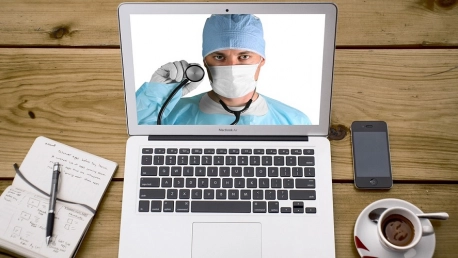
Worldwide, healthcare systems are still struggling to overcome the COVID-19 pandemic and the crisis that followed its onset. With vaccine rollouts now underway in most countries and restrictions also beginning to be eased, the pandemic seems to be nearing its end. However, no one seems to know for

IoT has marked a shift in the way the world goes about engaging with the internet. The simplest, most mundane objects now have the ability to connect with the internet, generating data that’s transforming our lives. One field that IoT is making tremendous headway in, is the world of healthcare. In

Being active is said to be good for your health. But what if you don’t have enough time to exercise daily? Can you squeeze short moments of activity into a busy life? Every exercise helps and carries some long-term health benefits. Feel free to explore them in this article and discover a few
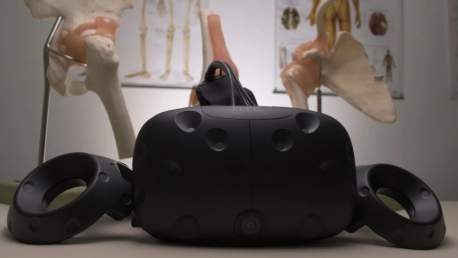
One of the five tech trends that supports healthcare in 2021 includes augmented and virtual reality. Today, virtual healthcare practices and methods have changed our perception of the medical industry. With technology at the fingertips of medical facilities, innovations are breaking limits and

“ When we create something, we think, ‘Will our customers thank us for this?’ I think it’s important for all of us to be thinking about whatever marketing we’re creating; is it really useful to our customers? Will they thank us for it? I think if you think of things through that lens, it just

It was only a few months ago that NVIDIA announced to build the UK’s most powerful supercomputer to help AI research in healthcare. Why is this important? The system, Cambridge-1, is planned to be used for projects that strive for better patient care, diagnosis, and delivery of critical medicines