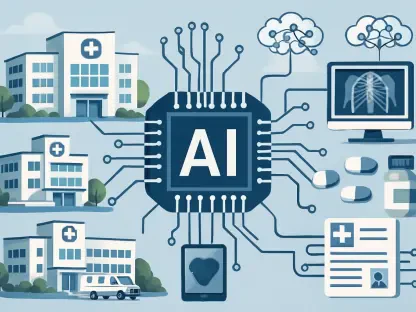

Consider this: a world where artificial intelligence is the driving force behind healthcare innovation, efficiency, and personalization.
And it’s quickly becoming a reality due to fast advancements in the field.
Personalized healthcare is undergoing rapid, mainstream adoption, evolving from a concept to a foundational pillar that defines modern medicine. In 2025, it was valued at $654.46 billion, and is projected to reach $1,315.43 billion by 2034.
At its core, AI in healthcare refers to the usage of algorithms and machine learning models to analyze vast amounts of medical and behavioral data, identify patterns, and make predictions that can inform decision-making. Unlike rule-based systems of the past, modern artificial intelligence learns continuously, adapting to new information and offering nuanced insights that were previously impossible to scale. For businesses that deliver healthcare benefits, this shift unlocks a broad array of opportunities to improve their workers’ well-being: from precision risk assessments and individualized care recommendations to streamlined administrative workflows and tailored wellness programs.
It’s a welcome change across the healthcare industry. Traditional one-size-fits-all benefit plans are increasingly misaligned with diverse employee needs and expectations. Artificial intelligence aims to shift this trend by creating smarter, more personalized benefits that not only improve health outcomes but also enhance employee satisfaction and control costs.
Enhancing Personalization Through Predictive Analytics
One of the most potent ways artificial intelligence is reshaping benefits is through predictive analytics. The traditional framework for benefits relies heavily on historical data and broad demographic averages to forecast risk and set premiums. Artificial intelligence enhances this process by incorporating real-time, multivariate inputs such as medical claims history, wearable device data, lifestyle behaviors, and even social determinants of health, such as access to nutritious foods and the quality of living environments. By synthesizing these data streams, artificial intelligence can predict individual health risks with greater precision.
Take this as an example: rather than broadly classifying a group of employees as “high risk” based on hypertension prevalence, artificial intelligence models can differentiate which individuals are most likely to develop complications, require intensive interventions, or benefit from early preventive measures. Employers can then tailor benefits (such as targeted screening programs, personalized coaching, or medication management support) based on individual risk profiles, using a level of specificity that not only prevents unnecessary costs but also avoids overwhelming employees with irrelevant recommendations.
Improving Preventive Care and Early Intervention
One of the key principles in modern healthcare is that prevention yields the most significant benefit: healthier employees who cost less to insure, take fewer sick days, and are more productive. Artificial intelligence enhanced preventive care by identifying early warning signs of disease that might otherwise go unnoticed until progression. Monitoring tools powered by machine learning will flag subtle patterns in medical records, biometric screenings, or wearable data to alert both employees and their care providers to risks such as rising blood glucose levels or early signs of cardiovascular stress.
Artificial intelligence also enables continuous monitoring even beyond the clinic. Connected devices like smartwatches and fitness trackers generate a constant stream of health metrics that can be fed into next-gen, AI-powered healthcare technology to spot anomalies in sleep patterns, activity levels, heart rate variability, and more. These insights can trigger personalized reminders, recommend adjustments to wellness plans, or escalate care when needed. In the context of employee benefits, this means businesses can offer dynamic health support 24/7 rather than episodic engagement tied solely to annual checkups.
Transforming Care Navigation and Utilization
Healthcare systems are generally fragmented, making it difficult for individuals to navigate the correct type of care at the right time. Additionally, many employees struggle to find in-network providers, assess treatment options, or make informed decisions about costly procedures. AI-enabled benefits platforms can serve as intelligent care navigators, guiding users through these complexities.
Through natural language interfaces and personalized recommendations, artificial intelligence tools can understand employee queries such as “Where should I go for a knee evaluation?” and provide accurate suggestions that consider insurance coverage, quality ratings, proximity, and predicted outcomes. Beyond provider selection, artificial intelligence can further educate employees by summarizing treatment options, likely costs, and expected recovery trajectories, empowering them to make decisions that align with both their health needs and benefit design.
For employers, this reduces unnecessary utilization, including emergency department visits for non-urgent issues or redundant diagnostic testing. Over time, smarter care navigation contributes to cost containment without compromising (and often improving) quality of care.
Boosting Employee Engagement and Satisfaction
Personalization is not only about health outcomes, but it’s also about user experience. Employees today expect healthcare interactions and technology that are intuitive, responsive, and tailored to their preferences. Artificial intelligence makes healthcare benefits feel less like a corporate mandate and more like a personalized service.
Enriching your benefits and wellness program with recommendation engines, similar to those used by streaming services, to suggest preventive screenings or case options based on an individual’s profile. Personalized nudges delivered via mobile apps or messaging platforms can increase engagement with health initiatives, such as smoking cessation programs, mental health resources, and chronic disease management tools.
Moreover, artificial intelligence can adapt communication styles to individual preferences. Some employees respond better to gamified challenges, while others prefer direct reminders or educational content. By analyzing engagement patterns, AI systems can refine messaging to maximize participation, satisfaction, and sustained behavior change.
The Financial Impact of AI-Driven Benefits
From a business perspective, AI-driven benefits are not merely a perk. They are also a measurable cost-management strategy. Healthcare costs continue to rise globally, forcing employers to find better ways to balance competitive benefits with financial sustainability. AI’s ability to reduce unnecessary utilization, improve chronic disease management, and prevent costly complications can lead to significant savings.
A 360-degree view of employee health,that’sed by AI, enables employers to forecast trends, address risks early, and allocate resources effectively. Rather than reactive spending on acute care, AI supports preventive investment and outcome-based strategies that deliver both health and economic value. And, by improving employee health literacy and engagement, businesses can reduce turnover, boost morale, and enhance overall organizational performance.
Conclusion
Artificial intelligence is creating a new era of smarter, more personalized benefits in the healthcare sector, one that aligns individual health needs with business goals. With predictive analytics, tailored care recommendations, streamlined administration, and enhanced engagement, employers can deliver benefits that are both meaningful and cost-effective.
By addressing preventive care, mental well-being, and personalized communication, these systems increase the quality health outcomes and empower businesses to build a healther workforce.