
The landscape of neurorestoration has undergone a seismic shift with the official regulatory clearance of a pioneering brain-computer interface system designed to reconnect the human mind with physical movement. For millions living with cervical spinal cord injuries, the simple act of grasping a cup or typing a message has long been a distant memory, yet this new technology promises to bridge that neurological gap through sophisticated digital bypasses. By securing the first commercial approval of its kind from the National Medical Products Administration, China has moved beyond the realm of experimental laboratory trials into a new era of accessible neuroprosthetics. This milestone does not merely represent a technical achievement but serves as a beacon of hope for individuals whose lives have been defined by the limitations of quadriplegia. The system leverages a synergy between invasive neural sensors and external robotics, creating a closed-loop environment where thought can once again manifest as tangible action. As the medical community observes these developments, the focus shifts toward how such integrated hardware will redefine the standard of care for long-term paralysis.
Technical Foundations: From Neural Signals to Physical Action
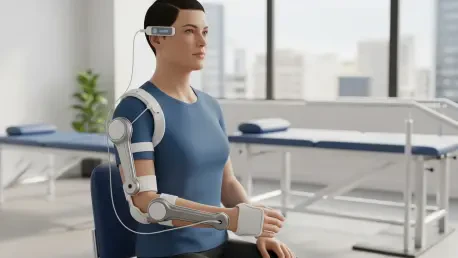
The architecture of this specific brain-computer interface utilizes a strategic approach to signal acquisition by employing a minimally invasive extradural implantation method. Unlike traditional non-invasive sensors that struggle with signal degradation through the scalp and skull, these electrodes are positioned directly within the cranial environment to capture high-fidelity neural data. This placement allows for a more consistent and robust transmission of signals, which are then processed via integrated wireless technology to command an external robotic glove. This wearable component translates the user’s intent into precise physical movements, effectively restoring the essential function of hand grasping. By focusing on patients between the ages of 18 and 60, the developer ensures that the recipients possess the neurological plasticity and physical resilience necessary to adapt to this new interface. The requirement for a stable medical condition for at least six months prior to the procedure provides a foundation for predictable outcomes and long-term success.
Specific clinical eligibility criteria highlight the targeted nature of this intervention, focusing on a demographic that has reached a plateau in traditional rehabilitative progress. Candidates must have lived with their spinal cord injury for a minimum of one year, ensuring that the primary phase of spontaneous recovery has concluded before the introduction of the device. Interestingly, while the system is designed to address a complete lack of hand-grasping functionality, patients are required to retain a baseline of upper-arm mobility. This residual movement is critical because it allows the individual to position their limb in space, while the robotic glove provides the fine motor control needed for interaction with the environment. Such a hybrid approach combines the strength of the patient’s existing musculature with the precision of neuro-robotic assistance. This nuanced selection process is designed to maximize the success rate of the technology, ensuring that the physical hardware complements the user’s remaining motor skills rather than replacing the entire limb.
Strategic Market Position: Global Competition and Economic Policy
Beyond the clinical implications, this development is a cornerstone of a massive strategic initiative within the domestic technological landscape of East Asia. The brain-computer interface sector was recently elevated to the status of a “future industry” within national economic planning, indicating that the state is funneling significant resources into biotechnological sovereignty. This centralized support has accelerated the transition of BCIs from academic curiosity to a viable commercial market, effectively challenging the dominance of Western startups like Neuralink. By fast-tracking these specific regulatory approvals, regional authorities are signaling their intent to lead the global race in neural engineering and digital health integration. The emergence of a commercialized product suggests that the period of purely speculative research has ended, giving way to a competitive environment where performance and accessibility will dictate market leadership. Industry observers anticipate that this momentum will drive down costs and improve surgical techniques within the next three to five years.
Early clinical data associated with the approval process revealed a transformative impact on the daily lives of participants, who reported a measurable increase in their ability to perform tasks independently. This objective improvement in quality of life is the primary driver for the widespread adoption of neuroprosthetic devices in modern healthcare systems. By synthesizing advanced neurophysiology with cutting-edge robotics, the system offers a tangible solution for those who have exhausted conventional therapeutic options. This shift marks the beginning of a move toward a reality where digital-to-brain integration is a standard medical procedure rather than a fringe experimental treatment. As more patients undergo the procedure, the resulting datasets will likely refine the algorithms responsible for signal interpretation, leading to even more fluid and natural movements. The transition into the commercial sphere also necessitates the development of specialized training programs for neurosurgeons and rehabilitation specialists to manage the lifecycle of the device.
Integration and Implementation: Future Standards of Neurological Care
Stakeholders within the healthcare sector recognized that the transition from laboratory prototypes to approved medical devices required a fundamental shift in infrastructure and training. Medical institutions began integrating specialized neural rehabilitation departments to support the unique needs of BCI recipients, focusing on long-term data management and hardware maintenance. Collaborative efforts between robotics engineers and neurosurgeons ensured that the feedback loops between the brain and the device remained optimized over several years of use. It became clear that the success of these systems depended not only on the initial implantation but on the continuous refinement of the software interfaces. Insurance providers and government health agencies evaluated the cost-effectiveness of these interventions, leading to new reimbursement models that prioritized functional independence over perpetual assisted care. Future research initiatives focused on expanding sensory feedback mechanisms, allowing users to not only move but also feel through their prosthetic devices.