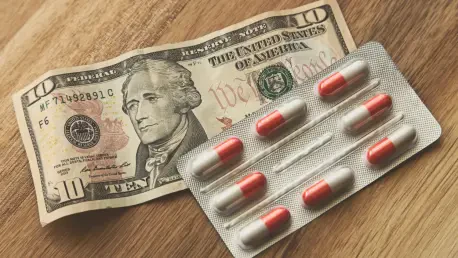

In a sweeping effort to address the persistent challenge of high prescription drug costs in the United States, the Trump administration has successfully brokered a series of landmark agreements with many of the world’s leading pharmaceutical manufacturers. This initiative, a direct outcome of President Donald Trump’s “most-favored-nation” policy, establishes a cooperative framework designed to fundamentally realign domestic drug prices with the lower costs prevalent in other developed nations. The voluntary pacts are multifaceted, aiming not only to deliver substantial and immediate cost savings to American consumers and government programs but also to stimulate massive domestic investment in manufacturing and research. By securing these deals, the administration has marked a pivotal moment in the nation’s ongoing debate over healthcare affordability, shifting the paradigm from confrontation to a strategic partnership with the industry to secure the national pharmaceutical supply chain and enhance patient access to essential medicines.
A New Framework for Pharmaceutical Pricing
The White House recently announced a significant expansion of its pricing initiative, revealing that nine additional pharmaceutical giants have committed to the new framework. This latest cohort includes industry leaders with a major operational footprint in New Jersey, such as Merck, Bristol Myers Squibb, Novartis, and Sanofi, alongside other key players like Amgen and GSK. This development builds upon a series of deals first initiated in July, bringing the total number of participating companies to fourteen out of the seventeen initially approached by the administration. The breadth of this participation signals a broad, industry-wide move toward collaboration with the administration’s healthcare agenda, transforming what has long been a contentious policy area into a unified effort. This cooperative stance represents a strategic shift for an industry often at odds with governmental pricing pressures, indicating a new willingness to engage in voluntary measures to preempt more stringent, mandated reforms and address public outcry over affordability.
At the very core of these landmark agreements lies President Trump’s “most-favored-nation” drug pricing policy, a cornerstone of his healthcare platform. The fundamental goal of this policy is to ensure that the prices American consumers and government programs pay for prescription drugs are no higher than the lowest price paid among other economically comparable developed countries. President Trump lauded the latest deals as “the greatest victory for patient affordability in the history of American health care, by far,” framing the cooperation from pharmaceutical companies as a patriotic act. By doing so, the administration sought to address what it has consistently termed an “unfair” global pricing structure, where U.S. patients and taxpayers disproportionately shoulder the financial burden of research and development for the rest of the world. This narrative has been central to gaining both public and industry support for a voluntary framework that promises to rebalance the global pharmaceutical economy without stifling American innovation.
Unpacking the Multifaceted Agreements
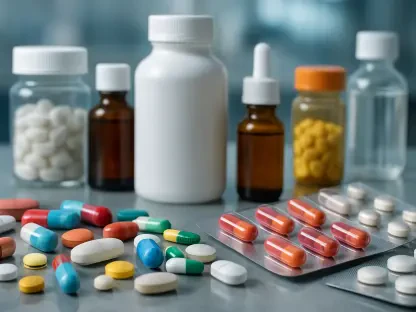
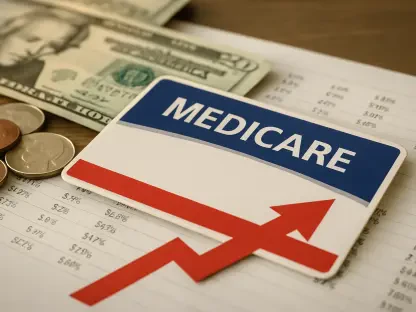
A central pillar of the newly forged pacts involves deep and immediate price reductions for both government healthcare programs and individual consumers. The participating drugmakers have committed to selling their medicines to the Medicaid program at these new “most-favored-nation” prices, a move projected by the White House to generate billions of dollars in savings and fortify the program for the nation’s most vulnerable citizens. Furthermore, the companies have pledged to launch any new medications in the United States at this same lower price point. To directly assist consumers paying out-of-pocket, the drugmakers will make some of their most widely used medications available at significantly reduced prices through a new online platform, TrumpRx.com, scheduled to launch in early 2026. The price cuts are dramatic: Sanofi will offer its blood thinner Plavix for $16, down from $756, while Bristol Myers Squibb will provide its blockbuster blood thinner Eliquis to the Medicaid program entirely for free, demonstrating the profound impact these deals are expected to have on patient affordability.
Beyond immediate price relief, the agreements are structured to bolster national security and stimulate the domestic economy. Several companies have agreed to contribute vital medicines to the Strategic Active Pharmaceutical Ingredients Reserve, a national stockpile established to protect the U.S. from pharmaceutical shortages caused by manufacturing disruptions or geopolitical crises. Notable commitments include Merck donating a six-month supply of a “powerful broad spectrum antibiotic” and GSK contributing a six-month supply of the essential asthma medication albuterol. In parallel, the participating companies have collectively pledged to invest over $150 billion in U.S.-based projects aimed at expanding domestic manufacturing and research and development capabilities. This massive reinvestment, which includes $70 billion from Merck and $40 billion from Bristol Myers Squibb, is designed to reduce reliance on foreign supply chains and reinforce the nation’s leadership in biomedical innovation. In return for these substantial domestic commitments, the companies will receive a three-year reprieve on certain tariffs levied on pharmaceutical imports.
Industry Perspectives and Future Outlook
The response from the pharmaceutical industry has been largely positive, with executives characterizing the agreements as a constructive path forward. While specific terms remain confidential, industry leaders praised the partnership with the administration as a pivotal step in addressing patient affordability. Robert Davis, CEO of Merck, described the deal as essential for ensuring Americans have access to affordable medicines while rebalancing the financial burden of R&D, which has disproportionately fallen on the U.S. healthcare system. Similarly, Sanofi CEO Paul Hudson emphasized that the plan strengthens the vital role of the U.S. in delivering future medical breakthroughs. This consensus was echoed by the HealthCare Institute of New Jersey, which lauded the companies for voluntarily negotiating agreements that lower costs without jeopardizing innovation. However, the organization also issued a call to action for other sectors, stating it is now time for Pharmacy Benefit Managers (PBMs) and insurance companies to pass their billions in pharmaceutical rebates directly to patients.
The conclusion of these pacts represented a significant milestone in the administration’s broader campaign to reform healthcare affordability. With agreements secured from the majority of major drugmakers, the White House signaled that this was the first phase of a larger, sector-by-sector strategy. The president indicated his intention to next engage with health insurance companies and PBMs, pressuring them to lower their own prices and ensure that the savings generated from these pharmaceutical deals were passed directly to consumers at the pharmacy counter. This forward-looking approach suggested that while the deals with drug manufacturers were a landmark achievement, they were envisioned as a foundational step toward a more comprehensive overhaul of the entire healthcare cost structure in the United States, leaving a legacy of direct engagement aimed at producing tangible financial relief for American families.