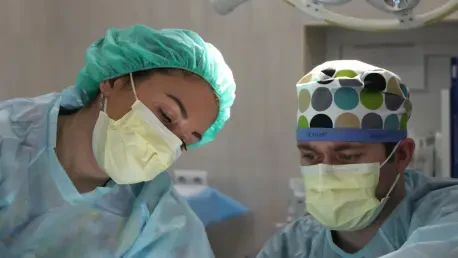

For many frail older adults, a major surgical procedure represents not the end of a health crisis but the beginning of a profound and often isolating journey that challenges their very sense of self. The stark reality is that the recovery process extends far beyond the healing of physical wounds, delving into the complex realms of psychological distress, emotional upheaval, and social disconnection. While the healthcare system is adept at addressing the clinical aspects of surgery, it frequently overlooks the deeper human experience of the patient. This oversight leaves a vulnerable population to navigate a bewildering new landscape where their pre-surgery identity feels lost, and the path back to a meaningful life is fraught with uncertainty. The silent struggles faced in the quiet moments of recovery—the fear, the loss of autonomy, and the gap between hope and reality—reveal a critical need for a more holistic and compassionate approach to geriatric surgical care.
The Hidden Wounds of Recovery
Psychological and Emotional Toll
The period following a major operation is often dominated by a pervasive sense of anxiety and a disorienting loss of personal identity that overshadows physical recuperation. Patients find themselves haunted by existential questions about their future, silently wondering, “Will I ever be myself again?” or “How will this fundamentally change my life?” This deep-seated fear of the unknown, layered on top of the constant physical pain and discomfort of recovery, creates a potent and distressing emotional cocktail. This internal turmoil can lead to a profound feeling of being disconnected from the person they were before the surgery, as if their former self has been left behind in the operating room. This psychological schism is not a mere side effect of the procedure but a central and debilitating feature of the recovery experience, one that can significantly impede the body’s ability to heal and the individual’s will to move forward with their life.
This struggle with a new, more limited sense of self often evolves into a significant psychological wound that lingers long after the surgical incisions have faded. The perceived loss of autonomy and identity becomes a chronic burden, a constant reminder of what has been taken away by the illness and the subsequent intervention. For many, this emotional challenge is the most difficult part of the healing process, a battle fought internally with little external support or acknowledgment from a medical system focused on physiological metrics. This internal conflict is a powerful impediment to a successful recovery, as the emotional and psychological energy required to grapple with this new reality diverts resources from physical healing. Acknowledging and addressing this emotional toll is therefore not just a matter of improving patient comfort but is essential for achieving truly positive long-term health outcomes and restoring a sense of wholeness.
The Gap Between Hope and Reality
Many older adults and their families approach major surgery with a sense of optimism, often holding ambitious and well-intentioned goals for a swift and complete recovery. They envision a clear path back to their previous routines, independence, and the life they knew before their health crisis. However, the post-operative journey is frequently far more arduous, prolonged, and limited than anyone had anticipated. This stark contrast between hopeful expectation and the challenging reality of recovery creates a painful and disillusioning gap. This chasm becomes a significant source of emotional turmoil, leaving patients to grapple not only with their new physical limitations but also with a profound sense of disappointment and even failure. The psychological strain of this unmet expectation can be just as debilitating as the physical recovery itself, casting a long shadow over the entire healing process and complicating the path forward.
This discrepancy between anticipation and outcome highlights a critical need for more realistic, transparent, and compassionate pre-operative counseling. When patients are not adequately prepared for the potential difficulties and the true timeline of recovery, they are set up for a journey marked by frustration and psychological distress. The resulting disillusionment can erode trust in the healthcare system and diminish a patient’s motivation to engage in the hard work of rehabilitation. This experience underscores that effective patient care must involve managing expectations through honest and empathetic communication. Preparing patients and their families for the full spectrum of possible outcomes—including the challenging ones—is not about diminishing hope but about building resilience and providing them with the tools they need to navigate the complexities of recovery with a greater sense of control and understanding.
Redefining the Path to Healing
Beyond the Hospital Walls
The intricate process of healing is a holistic one that extends far beyond the controlled, sterile environment of a hospital and into the complex fabric of a patient’s daily life. A particularly poignant and common theme for many frail patients is the deep sense of social isolation they experience after returning home. Their newfound physical limitations often prevent them from re-engaging in cherished hobbies, social gatherings, and community activities that previously defined their lives and provided a sense of purpose and connection. This sudden withdrawal from their social world can lead to a sharply diminished quality of life, demonstrating that true recovery is deeply intertwined with emotional well-being and social integration. The impact of surgery reverberates through their most important relationships, revealing that healing is not just a biological process but a social and emotional one that requires support, engagement, and a sense of belonging.
This profound feeling of isolation underscores that a successful recovery depends on an ecosystem of support that encompasses far more than just medical care and family assistance. It involves reconnecting with the community, rediscovering fulfilling activities, and rebuilding a social network that may have been disrupted by the surgical event. A purely clinical view of healing, which ends at the hospital discharge, is fundamentally incomplete because it fails to account for these vital non-clinical dimensions of a person’s life. Care models must evolve to recognize that a patient’s ability to heal is directly linked to their social and emotional state. Integrating social support services, community engagement programs, and mental health resources into the post-operative care plan is therefore not an optional extra but a crucial component of facilitating a recovery that is both comprehensive and lasting.
A Call for a More Humanistic Approach
The significant challenges faced by frail surgical patients demand a fundamental paradigm shift toward a more comprehensive, integrated, and empathetic model of geriatric care. A primary recommendation emerging from this understanding is the implementation of robust support systems that begin long before the patient enters the operating room. This involves comprehensive pre-operative assessments that extend beyond standard physiological metrics to create a complete picture of the individual’s needs. Such evaluations should include screenings for mental health conditions like depression and anxiety, cognitive function tests to identify potential vulnerabilities, and a thorough analysis of the patient’s existing social support network. Furthermore, prioritizing a process of shared decision-making and informed consent, where the risks, benefits, and likely recovery trajectory are discussed honestly, becomes a vital tool for managing patient expectations and alleviating pre-operative anxiety.
Following the surgical procedure, this integrated support must continue seamlessly to address the multifaceted nature of recovery. This includes not only physical rehabilitation programs specifically designed for the needs and limitations of frail older adults but also, just as importantly, readily accessible psychological support to help patients navigate the complex emotional landscape of their healing journey. The goal must be to treat the whole person, not just the surgical site, fostering an environment where emotional and psychological healing are given the same priority as physical recovery. A truly patient-centered approach also requires a broader understanding of the sociocultural factors that influence outcomes. A one-size-fits-all model for patient communication is often insufficient; instead, care must be delivered through nuanced, culturally sensitive strategies that build trust, encourage collaboration, and honor the unique experiences of every patient.
Forging a New Path in Geriatric Care
The collective experience of frail older adults who underwent major surgery served as a critical call to action for the healthcare community. It challenged clinicians, hospital systems, and policymakers to move beyond a purely biomedical model of care, which too often measured success in clinical outcomes alone. The findings compellingly argued that disregarding the emotional, psychological, and social dimensions of patient well-being was tantamount to failing a significant portion of the recovery process. This understanding became a cornerstone in the evolving discourse on surgical ethics, demanding greater attention to the dignity, rights, and holistic needs of older patients. Ultimately, fostering an environment where recovery was viewed comprehensively became essential. This required a deeply humanistic approach built on a foundation of trust, empathy, and collaboration between patients and their care teams. By prioritizing the complete patient experience, healthcare providers could not only improve clinical results but also empower vulnerable individuals on their journey toward a recovery that was both effective and dignified. The lessons from this critical examination advocated for a healthcare evolution that humanized care for the aging population, ensuring their voices were heard and their complex needs were fully met.