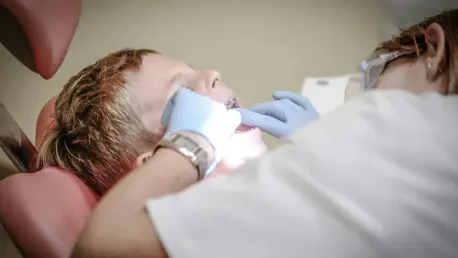

Across the vast landscape of the American healthcare system, a disturbing and silent crisis is manifesting in the brightly lit corridors of emergency departments where children arrive in agony from dental decay that could have been entirely avoided with simple, routine care. National health data from 2026 reveals that visits for non-traumatic dental conditions, including abscesses and advanced cavities, have surged by nearly 60 percent over the past several years, with some regional pediatric hospitals reporting staggering increases of up to 175 percent. This upward trajectory indicates a profound breakdown in the preventative infrastructure that was once designed to protect the most vulnerable members of society. When families cannot find an available dentist or afford basic checkups, the emergency room becomes the default sanctuary of last resort, yet it is a facility inherently unequipped to provide the definitive surgical or restorative treatments required to fix a rotting tooth. Instead of a permanent solution, these young patients are frequently caught in a cycle of temporary relief followed by recurring pain, as hospitals often lack the specialized staff or equipment to perform extractions. This systemic failure transforms minor health issues into acute medical emergencies that strain hospital resources and leave children suffering.
The Financial Gap: Medicaid and Provider Shortages
The persistent shortage of dental providers who are willing to accept Medicaid patients represents one of the most significant obstacles to achieving equitable oral health outcomes for children across the country. Although federal law mandates that Medicaid programs provide comprehensive dental benefits for minors, the reality on the ground is that only about one-third of private dentists participate in the program due to historically low reimbursement rates that fail to cover the actual costs of care. This economic disparity effectively creates vast geographic regions, often referred to as dental deserts, where low-income families must travel hundreds of miles to find a specialist who will treat their children. In these underserved areas, the lack of preventative maintenance means that small, easily treatable cavities inevitably progress into severe infections that require urgent intervention. As long as the financial incentives for practitioners remain disconnected from the public health needs of the community, the promise of universal pediatric dental coverage will remain an unfulfilled legislative mandate rather than a functional reality for millions of young Americans.
Recent shifts in federal policy have further complicated this landscape, as the implementation of the 2026 budget reconciliation measures has introduced significant funding cuts and more stringent eligibility requirements for public insurance programs. Historically, whenever states have been forced to limit Medicaid enrollment or when parents lose their own dental coverage, there is a direct and measurable decline in the frequency of dental visits for their children, leading to a corresponding spike in untreated decay. Administrative hurdles, such as frequent re-enrollment processes and complex documentation requirements, act as invisible barriers that discourage families from seeking care until a situation becomes critical. This environment of uncertainty not only discourages preventative habits but also places an additional burden on community clinics that are already operating at maximum capacity. When the safety net is frayed by political and economic pressures, the secondary effects are felt most acutely in the emergency room, where the cost of treating an advanced infection far exceeds the price of a standard cleaning or a simple filling.
Public Health Setbacks: The Fluoridation Debate
A significant and troubling factor contributing to the current decline in pediatric oral health is the growing political polarization surrounding long-standing public health measures like community water fluoridation. For more than seven decades, the addition of fluoride to public drinking water has been hailed as one of the most effective and least expensive ways to prevent tooth decay, yet recent legislative movements in several states have sought to ban the practice entirely. Critics and high-ranking health officials have increasingly labeled fluoride as a potential neurotoxin, citing selective studies that experts argue are often taken out of context or involve concentrations far higher than those found in standard American water systems. Despite the overwhelming consensus from dental and medical associations regarding its safety and efficacy at regulated levels, the erosion of public trust has led to a measurable decrease in the number of communities benefiting from this protection. This shift away from evidence-based prevention is already starting to manifest in clinical settings as a higher prevalence of aggressive cavities among children living in areas that have recently discontinued fluoridation.
The impact of these anti-fluoride initiatives is particularly devastating for children in low-income households who may not have access to alternative preventative tools like professional sealants or regular fluoride varnishes at a dentist’s office. As more states introduce bills to limit or remove fluoride from their municipal supplies, public health advocates warn of a regressive trend that could undo decades of progress in the fight against childhood tooth decay. This legislative trend often ignores the socioeconomic reality that community-wide measures are the most equitable way to protect the dental health of an entire population, regardless of individual family wealth or insurance status. Without the consistent protection provided by fluoridated water, the burden of prevention shifts entirely to individual behavioral choices and professional access, both of which are currently compromised by the aforementioned provider shortages and economic barriers. Consequently, the public health community is bracing for a sustained increase in severe dental cases that will likely require more invasive and expensive treatments, further overwhelming an already stressed pediatric healthcare infrastructure.
Specialized Vulnerabilities: Addressing Complex Care Needs
Children with intellectual or developmental disabilities, including those on the autism spectrum, represent a particularly vulnerable demographic that is disproportionately affected by the current dental crisis. For these patients, a standard dental examination can be an overwhelming sensory experience that triggers intense anxiety or behavioral challenges, making it nearly impossible to provide care in a traditional office setting without specialized training or sedation. Unfortunately, there is a severe national shortage of pediatric dentists who are equipped with the facilities and expertise to manage these complex cases, leaving many families in a desperate search for help. When a child with special needs develops a toothache, the lack of local specialized care often forces parents into a grueling cycle of multiple emergency room visits where the only treatment offered is temporary sedation or antibiotics. This gap in the medical workforce not only exacerbates the physical suffering of the child but also creates an immense psychological and emotional toll on caregivers who find themselves navigating a system that seems fundamentally incapable of meeting their specific requirements.
Beyond the immediate pain of an infected tooth, the long-term physical and developmental consequences of untreated dental issues in children can be profound and life-altering if not addressed early. Severe decay that leads to the premature loss of primary teeth can disrupt the proper alignment of permanent teeth and negatively impact the development of a child’s jaw, potentially causing lifelong difficulties with speech, chewing, and even breathing. In some cases, chronic dental infections have been linked to systemic health problems, including cardiovascular issues and increased susceptibility to other illnesses, as the mouth serves as a primary entry point for bacteria into the bloodstream. Furthermore, the economic burden of these preventable emergencies is substantial, as the cost of a single hospital visit for a dental infection can be ten times higher than the cost of a routine preventative cleaning. Families also face indirect costs, such as lost wages from missing work and the significant psychological stress of managing a preventable health crisis, which further entrenches the cycle of poverty and poor health outcomes in many communities.
State Initiatives: Building Resilient Solutions
In response to the mounting challenges at the federal level, several states have begun to implement proactive strategies aimed at expanding access to specialized dental care and strengthening the rural healthcare workforce. Maine and Alaska, for instance, have utilized state-level grants to establish mobile dental units and community-based clinics that specifically target underserved populations in remote regions. California has taken a notable step by investing tens of millions of dollars into the expansion of dental facilities that are specifically designed to accommodate patients with disabilities, ensuring that they can receive care under sedation in a safe and controlled environment. These localized efforts demonstrate that targeted investment in infrastructure and specialized training can effectively reduce the reliance on emergency rooms for routine dental issues. By creating more points of entry for preventative care, these states are working to dismantle the barriers that have historically prevented the most vulnerable children from receiving the treatment they need before a minor cavity becomes a major medical emergency.
The long-term resolution of this public health crisis depended on a comprehensive strategy that integrated higher Medicaid reimbursement rates with sustained support for proven community health initiatives like fluoridation. Public health officials recognized that state-level innovations required stable federal funding to remain viable and that the recruitment of new pediatric dental specialists was essential to meeting the needs of children with complex conditions. Moving forward, the integration of oral health into primary medical care and the expansion of school-based dental programs emerged as critical steps for reaching children where they spent most of their time. These efforts focused on shifting the healthcare paradigm from reactive emergency treatment to proactive, community-wide prevention. By prioritizing the stabilization of the dental safety net and fostering a workforce capable of handling diverse patient needs, the healthcare system aimed to ensure that no child was forced to endure preventable pain. Ultimately, these actions sought to transform the emergency room back into a place for true trauma care rather than a high-cost substitute for a missing dentist.