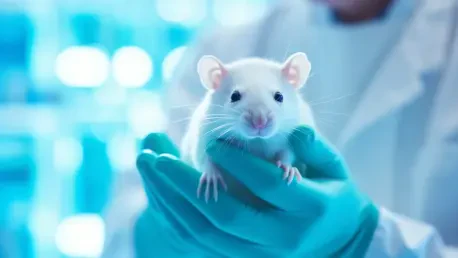

For decades, the path to approving a new life-saving drug has been paved with an astonishingly high rate of failure, as an estimated 90 to 95 percent of treatments that prove safe and effective in animals ultimately fail in human clinical trials. This stark reality has long fueled a debate about the predictive power of traditional preclinical models and the ethical considerations surrounding their use. Now, a confluence of legislative action, regulatory modernization, and technological innovation is signaling a monumental shift in American biomedical research. With the U.S. Senate’s recent passage of the FDA Modernization Act 3.0, the nation stands at a crossroads, poised to formally embrace a new generation of human-relevant testing methods that promise to make drug development not only more humane but also significantly more efficient and reliable. This pivotal moment could fundamentally reshape the future of medicine, moving away from a one-size-fits-all mandate toward a more sophisticated, science-driven approach.
A New Era in Drug Regulation
The driving force behind this transformation is the FDA Modernization Act 3.0 (S. 355), which recently passed the Senate with unanimous bipartisan support. The legislation acts as a direct mandate for regulatory alignment, instructing the Department of Health and Human Services to update its rules to reflect statutory changes made in 2022. No later than one year after its enactment, the Food and Drug Administration (FDA) will be required to publish an interim final rule that systematically amends Title 21 of the Code of Federal Regulations. The core of this change involves replacing all references to “animal” tests, studies, and data with the broader and more inclusive term “nonclinical.” This seemingly simple terminological shift carries profound weight; it officially validates and encourages the use of a diverse suite of advanced, non-animal testing methods, ensuring that federal regulations no longer lag behind scientific progress and congressional intent. This legislative step codifies a new reality where drug sponsors have the flexibility to use the most predictive science available to demonstrate safety and efficacy.
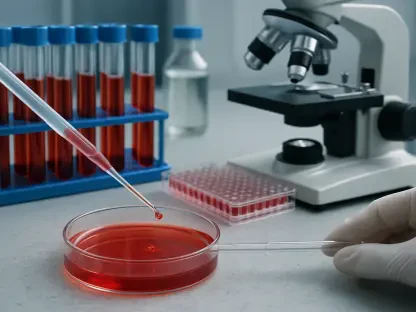
This legislative push is perfectly timed, complementing significant modernization efforts already underway within the FDA itself. Under the leadership of Commissioner Martin Makary, the agency unveiled a strategic roadmap in April 2025 aimed at reducing reliance on animal testing and modernizing the entire nonclinical evaluation process, beginning with the development of monoclonal antibodies. Characterizing the initiative as a “paradigm shift,” Makary has emphasized the integration of New Approach Methodologies (NAMs) as central to the agency’s vision. These sophisticated tools include AI-based computational modeling, complex organ-on-chip systems that mimic human physiology, and advanced organoid-based testing. The FDA’s strategy posits that by leveraging these technologies alongside real-world human data, safer and more effective treatments can reach patients faster. To accelerate this transition, the agency is also actively exploring powerful regulatory incentives, such as offering a streamlined review process for sponsors who submit robust safety data packages built upon these innovative non-animal methods.
The Ripple Effect Across Science and Industry
The push for reform is not confined to a single piece of legislation or one agency but is part of a much broader federal and scientific evolution. The National Institutes of Health (NIH) has been actively encouraging the use of NAMs in research proposals, signaling a clear preference for more human-relevant models, even while clarifying that this does not represent a complete ban on funding for studies involving animals. In a more definitive and historic move, the Centers for Disease Control and Prevention (CDC) reportedly instructed its scientists to conclude all monkey studies by the end of 2025. This action would make the CDC the first U.S. agency to completely terminate its in-house nonhuman primate research program since the NIH retired its research chimpanzees a decade ago. While some organizations, including the National Association for Biomedical Research, maintain that a full replacement for animal models is not yet feasible for every aspect of drug development, the collective momentum from key federal health institutions points toward an irreversible policy shift.
These powerful regulatory and legislative signals have sent clear shockwaves through the preclinical research industry, which is now rapidly adapting to a new market reality. Companies are strategically expanding their service offerings to meet the surging demand for human-relevant, non-animal testing solutions. For example, Charles River Laboratories, a major contract research organization, has launched its “Alternative Methods Advancement Project” to develop and validate more non-animal options alongside its traditional services. This industry pivot is underpinned by compelling economic projections that highlight the immense commercial potential of these new technologies. Market analyses by Grand View Research project that the organ-on-a-chip market will skyrocket from approximately $157 million in 2024 to $952 million by 2030. Similarly, the organoid market is forecast to expand from $1.4 billion in 2025 to $4 billion by 2035. This explosive growth is fueled by the powerful economic incentive to overcome the 90-95% failure rate of drugs in human trials after passing animal tests.
Cementing a Modern Framework
With the Senate’s decisive approval, the future of the FDA Modernization Act 3.0 now rests in the hands of the House of Representatives. A companion bill, H.R. 2821, was introduced in April 2025 by a bipartisan group of lawmakers, including Rep. Buddy Carter (R-Ga.), Rep. Nanette Barragán (D-Calif.), and Rep. Diana Harshbarger (R-Tenn.), demonstrating that support for this reform transcends party lines. However, the bill has not yet been brought to the House floor for a vote, representing the final legislative hurdle before it can be signed into law. The proposed legislation enjoys an exceptionally broad and diverse base of support from a coalition of over 200 organizations. This impressive alliance includes not only animal welfare groups but also influential patient advocacy organizations and major pharmaceutical companies like Teva Pharmaceuticals. This wide-ranging consensus underscores a shared understanding that modernizing drug development is a critical step toward achieving better health outcomes for patients across the country.
The successful enactment of this bill would trigger a one-year countdown for the FDA, culminating in the issuance of its interim final rule. That action formally embedded the transition to a “nonclinical” framework into the nation’s regulatory code. This convergence of persistent advocacy, bipartisan political will, and accelerating scientific innovation marked a definitive turning point. It represented the culmination of years of effort to align U.S. drug development regulations with the cutting-edge tools of the 21st century. The resulting framework was one that not only reduced the reliance on animal models but also promised to foster a more predictive, efficient, and ultimately more human-centered approach to creating the medicines of the future. The law effectively closed the book on an outdated mandate and opened a new chapter focused on harnessing technology to better understand human biology.