
Two of the most feared health challenges facing humanity are the slow, irreversible loss of sight and the devastating decline of the mind, yet a new wave of research is targeting the root causes of these conditions with unprecedented ambition. Supported by prestigious innovation grants designed to foster high-risk, high-reward science, researchers are developing groundbreaking therapies designed not just to treat, but to cure. This work, which moves beyond mere symptom management, offers a tangible glimpse into a future where blindness from glaucoma can be permanently reversed and the onset of neurodegenerative diseases can be stopped in their tracks. The catalyst for this accelerated progress is a program that provides substantial, multi-year funding, giving visionary scientists the critical resources to pursue bold ideas that could fundamentally reshape human health and offer hope to millions.
A Radical New Approach to Curing Glaucoma
Glaucoma stands as a formidable global health issue, acting as a leading cause of irreversible blindness for over 80 million people. The condition arises from a critical malfunction in the eye’s natural drainage system, which results in a gradual buildup of intraocular pressure. This sustained pressure silently and progressively damages the optic nerve, the vital pathway that transmits visual information to the brain. While current treatments, including daily eye drops and various surgical interventions, can successfully lower this internal pressure, they fail to address the underlying physiological defect. Consequently, patients are consigned to a lifelong regimen of palliative care, a constant battle to manage symptoms. Despite their diligence, many individuals still experience a slow but steady deterioration of their vision, living with the persistent fear that their world will continue to shrink into darkness. This paradigm of perpetual management highlights a significant unmet need for a definitive, restorative solution.
In a direct challenge to the status quo of symptom management, Dr. Alireza Karimi is pioneering a transformative approach aimed at developing a one-time, curative therapy for glaucoma. The objective is to completely restore the eye’s innate, self-regulating ability to maintain healthy pressure levels. Rather than relying on external interventions, this research seeks to “reset” the eye’s biological pressure-sensing mechanisms, allowing it to function as a healthy eye does naturally. To achieve this ambitious goal, Dr. Karimi’s lab integrates principles from engineering, computer modeling, and genetics. A cornerstone of this work is a unique microfluidic device known as an “outflow-on-a-chip.” Co-created with colleagues, this innovative tool meticulously mimics the eye’s complex drainage system in a controlled laboratory setting. It enables his team to pinpoint the specific cellular components that fail in glaucoma and to rigorously test the efficacy of novel gene-editing and drug-based therapies designed to repair them, paving the way for a treatment that could permanently preserve sight.
Decoding the Brain’s Blueprint to Prevent Decline
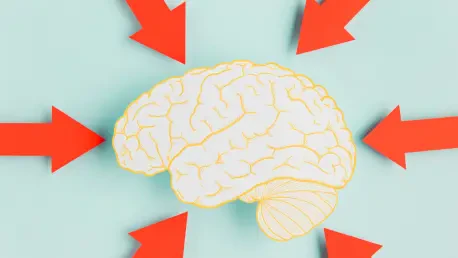
The intricate workings of the human brain often appear chaotic and variable, a stark contrast to the rigid logic of a computer, but this apparent “messiness” is now understood to be one of its most profound strengths. This inherent flexibility allows the brain to process ambiguous sensory input—like recognizing a familiar face in poor lighting—and function reliably in constantly changing environments. Dr. Elizabeth Moss is investigating the fundamental principles of how this adaptability enables the brain to create coherent and meaningful perceptions. Her research is built on the premise that understanding this core feature of healthy brain function is the key to deciphering what goes wrong in neurodegenerative diseases. By using the sense of smell, or olfaction, in mice as a model system, her lab examines neural processing at multiple scales, from the firing of individual brain cells to the collaborative activity of large neural ensembles, aiming to unlock the secrets of the brain’s remarkable resilience.
The implications of this fundamental research extend directly into the clinical realm, particularly for devastating neurodegenerative conditions like Alzheimer’s and Parkinson’s diseases. A well-documented phenomenon is that the loss of smell is one of the earliest and most common preclinical symptoms of these disorders, often appearing years before more recognized cognitive impairments surface. This strong link suggests a deep connection between the health of sensory processing circuits and overall cognitive function. By elucidating how a healthy brain adapts to new information and maintains its resilience over a lifetime, Dr. Moss’s work promises to reveal the initial points of failure in these diseases. This foundational knowledge is crucial for developing novel strategies for early detection and could ultimately lead to innovative therapeutic interventions designed to bolster the brain’s natural defenses against decline, potentially stopping these disorders before they take hold.
The Foundation for Future Medical Triumphs
The investment in these pioneering research endeavors signified a pivotal moment in the quest to overcome some of medicine’s most intractable challenges. Dr. Karimi’s work established a new trajectory for glaucoma treatment, shifting the focus from lifelong management to the real possibility of a permanent, restorative cure. His integration of engineering and biology provided a powerful toolkit for understanding and repairing the eye’s intricate systems. Similarly, Dr. Moss’s investigation into the brain’s adaptive sensory code created a new framework for understanding the preclinical stages of neurodegeneration. Her research illuminated the subtle, early changes that precede cognitive decline, opening doors for diagnostic tools and therapies aimed at prevention rather than mitigation. These projects, fueled by a commitment to bold and innovative science, laid the essential groundwork for transformative medical breakthroughs that will shape the future of human health.