
The transition from a passive recipient of medical knowledge to an active architect of scientific discovery represents one of the most profound shifts in modern clinical training. At the University of California San Diego, this evolution is crystallized during the annual Summer Research Symposium, an event that serves as a high-stakes bridge between the first and second years of medical and pharmacy education. This symposium is far more than a simple academic requirement; it functions as a professional crucible where students from the School of Medicine and the Skaggs School of Pharmacy and Pharmaceutical Sciences present the results of intensive investigations conducted during their summer hiatus. By stepping away from the lecture hall and into the laboratory or clinical field, these future healthcare providers begin to engage with the complexities of human health in a way that traditional textbooks cannot replicate. The projects span a vast spectrum of modern medicine, including oncology, cardiovascular health, mental health, and the integration of artificial intelligence, reflecting the multifaceted nature of 21st-century practice.
This immersive experience fundamentally alters the trajectory of a student’s professional identity, moving them toward a model of interprofessional collaboration that is essential for modern healthcare delivery. Participants are encouraged to look beyond the immediate biological markers of disease to understand the systemic, technological, and social factors that influence patient outcomes. By engaging in high-level research so early in their careers, students develop a specialized vocabulary and an analytical mindset that allows them to contribute meaningfully to scientific discourse. This early exposure ensures that by the time they enter clinical rotations, they are not merely following established protocols but are equipped to question, refine, and improve those protocols based on empirical evidence. This culture of inquiry is what ultimately drives medical progress, transforming the educational environment into a dynamic hub of innovation where student contributions can have real-world implications for patient care and public health policy.
The Evolution of the Physician-Scientist Model
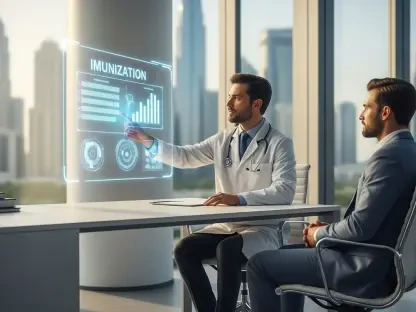
The philosophical cornerstone of contemporary medical education rests on the conviction that a deep immersion in research is indispensable for cultivating truly proficient and empathetic physicians. Institutional leaders emphasize that the intellectual discipline and persistence required to design and execute a research project are the same qualities that allow a doctor to advocate effectively for their patients and communities. This “physician-scientist” model aims to dissolve the traditional boundaries between the laboratory bench and the patient’s bedside. When a student spends a summer investigating the molecular pathways of a specific pathology, they gain a nuanced perspective that informs every future diagnostic decision they will make. This approach ensures that the next generation of doctors will not just be consumers of medical information but critical evaluators of it, capable of discerning the strengths and weaknesses of new clinical trials or emerging treatment modalities as they appear in the literature.
Furthermore, the rise of the empowered, data-savvy patient has necessitated a corresponding shift in how doctors are trained to communicate. Modern patients often arrive at consultations with a wealth of information—and sometimes misinformation—gathered from digital sources, requiring a physician who can navigate complex datasets with ease. By fostering a research-centric mindset, medical schools prepare their graduates to act as expert guides through the dense thicket of modern medical data. A doctor who has personally grappled with the variables of a scientific study is much better positioned to explain the risks and benefits of a high-stakes procedure to a family in crisis. This bridge between scientific rigor and clinical compassion is what defines the modern practitioner, ensuring that medical care remains grounded in the best available evidence while never losing sight of the individual human experience at the center of the data.
Breakthroughs in Early Cancer Detection
Oncology remains one of the most fertile grounds for student research, with a particular emphasis on developing predictive tools that can identify disease progression long before traditional symptoms manifest. Recent student-led initiatives have focused on highly sophisticated diagnostic platforms like READAR, which examines RNA-editing processes to detect the early signs of clonal myeloproliferative neoplasm progression. This type of research is critical because it addresses the “watchful waiting” dilemma faced by many patients with slow-growing blood cancers. By identifying specific molecular alerts that indicate a transition to a more aggressive state, these students are helping to create a framework for personalized intervention. Such tools allow clinicians to distinguish between patients who can safely continue under observation and those who require immediate, life-saving measures like bone marrow transplants, thereby optimizing the use of aggressive therapies.
The process of conducting this high-level oncological research also provides students with a behind-the-scenes look at the collaborative nature of modern science. Working within large teams of laboratory technicians, senior investigators, and data scientists, students learn that a breakthrough is rarely the result of a single individual’s effort but rather the culmination of shared expertise and rigorous peer review. This experience is vital for their future careers, as it builds the technical proficiency and collaborative spirit required to lead multi-disciplinary teams. For many students, these projects are their first encounter with the conceptualization of a scientific idea from its infancy to its clinical application. By participating in this journey, they gain a profound understanding of how basic science is translated into tangible medical advancements, reinforcing the idea that the laboratory is just as essential to the hospital as the operating room.
Balancing AI Innovation with Patient Trust
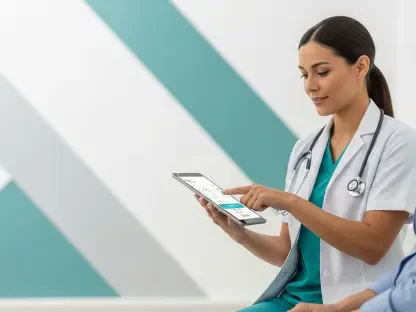
The integration of artificial intelligence into the healthcare infrastructure has opened new frontiers for student research, particularly regarding the delicate balance between technological efficiency and the patient-physician relationship. One significant area of study involves the use of AI-assisted electronic communications, where algorithms generate initial drafts of responses to patient inquiries for physicians to review and send. While the quantitative data from these studies often suggest that patients find the quality of AI-augmented messages to be high, qualitative feedback reveals a much more nuanced and sometimes resistant sentiment. Many patients express a lingering unease or “anti-AI sentiment,” fearing that the automation of personal medical advice could lead to a loss of the “human touch” that is so central to the healing process.
This research serves as a timely reminder for medical educators that the adoption of new technology must be accompanied by a deep understanding of human psychology and ethics. Students investigating these trends are uncovering a critical friction point: while AI can significantly reduce the administrative burden on overworked doctors and improve the speed of communication, it also carries the risk of eroding the foundational trust of the clinical encounter. The challenge for the next generation of physicians will be to utilize these powerful digital tools as supplements to, rather than replacements for, personal interaction. By studying patient perceptions of AI early in their training, medical students are learning to navigate the ethical complexities of the digital age, ensuring that as they move toward more automated systems, they remain vigilant about preserving the empathy and personal connection that patients value most.
Diversifying the Medical Pipeline Through Outreach
Research in medical education is increasingly turning its focus toward the social responsibility of the profession, specifically regarding the need to diversify the healthcare workforce. Students are actively evaluating the impact of pipeline programs that target high school students from underrepresented or resource-limited backgrounds. These programs, such as those focusing on cancer research and regenerative medicine, provide young participants with their first real exposure to the world of clinical practice and laboratory science. Research into these initiatives consistently shows that early intervention and mentorship are key to increasing a student’s confidence and their belief that a career in medicine is an achievable goal. For many high schoolers, the medical field can seem like an ivory tower; student-led research helps prove that targeted outreach can successfully dismantle these perceived barriers.
The role of the medical student as a mentor in these programs is equally important, as it fosters a sense of social accountability that will carry forward into their professional lives. By documenting the successes and challenges of these outreach efforts, researchers are providing a roadmap for how medical schools can better serve their surrounding communities. This work emphasizes that a more diverse medical community is not just a matter of social justice, but a practical necessity for improving public health outcomes. A diverse workforce brings a wider range of perspectives and life experiences to the table, which is essential for addressing the health disparities that continue to plague various demographic groups. Through these efforts, the medical education system is working to ensure that the doctors of tomorrow truly reflect the diverse tapestry of the populations they will eventually treat.
Holistic Approaches to Performance Medicine
An innovative and often overlooked area where research is shaping medical education is performance medicine, which applies clinical rigor to the unique needs of athletes and artists. Students with backgrounds in the performing arts are now leading investigations into how holistic recovery models can be applied to disciplines like professional ballet. These studies recognize that the physical demands of high-level performance are often accompanied by significant psychological stressors, including high rates of burnout, anxiety, and body dysmorphia. By conducting randomized controlled trials that compare traditional physical therapy with integrated regimens—such as those utilizing gamified mental health apps—students are demonstrating the efficacy of treating the mind and body as a single, interconnected system.
The preliminary findings from this research suggest that maintaining a connection to one’s community and utilizing mental visualization techniques can significantly accelerate the physical healing process. This shift toward a more comprehensive treatment model reflects a broader movement within medical education toward evidence-based, holistic care. It encourages students to look beyond the immediate musculoskeletal injury to consider the cognitive and emotional factors that influence a patient’s recovery trajectory. This approach is not limited to the world of dance; it provides a valuable template for how physicians might treat any patient facing a long and difficult rehabilitation process. By merging behavioral health with traditional clinical interventions, these student researchers are paving the way for a more compassionate and effective healthcare model that prioritizes the total well-being of the individual.
Integrating Research Findings Into Future Practice
The collective body of research presented by these students highlights a clear path forward for the healthcare industry, emphasizing that the future of medicine was built on the foundations of early scientific inquiry. To ensure these insights translate into improved care, healthcare institutions should prioritize the formal integration of research literacy into every stage of clinical practice, moving beyond the initial years of medical school. This means creating structured environments where working physicians can continue to collaborate with laboratory scientists, ensuring that the spirit of the “physician-scientist” does not fade after graduation. Furthermore, the findings regarding AI skepticism suggest that medical systems must develop transparent protocols for the use of automation, perhaps by explicitly informing patients when AI is used and ensuring that a human doctor always remains the final point of contact and accountability.
Regarding the social and holistic aspects of medicine, the success of pipeline programs and performance medicine studies provides a clear call to action for broader community engagement and multi-disciplinary care teams. Organizations should expand their investment in mentorship programs that start in secondary education to ensure a diverse and representative talent pool for the future. On the clinical side, the move toward holistic recovery suggests that physical therapy and mental health services should be bundled more closely in insurance models and hospital workflows. By taking these concrete steps, the medical community can honor the work of student researchers and ensure that their discoveries lead to a more inclusive, technologically balanced, and compassionate healthcare landscape. The evidence gathered during these formative years of education had already demonstrated that when science and empathy are linked, the potential for healing is limitless.