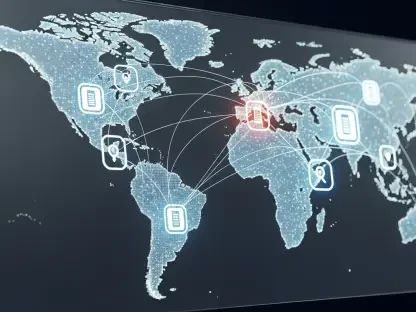

A landmark virtual meeting in December 2025 has set a new precedent for Caribbean public health, bringing together a diverse cohort of over 40 professionals from approximately 10 countries and territories to forge a united front against infectious diseases. Organized by The University of the West Indies (UWI) in a pivotal partnership with the Pan American Health Organization (PAHO), the event established a powerful consensus: that robust, multi-sectoral collaboration is the essential foundation for building resilient, data-driven public health systems. Participants, including veterinary and public health officers, laboratory specialists, and academic researchers, championed a “One Health” approach, recognizing that the interconnected health of people, animals, and the environment demands an integrated defense strategy. The overarching conclusion was that a unified framework, leveraging advanced diagnostics and genomic surveillance, represents the most effective mechanism for safeguarding the well-being of the entire Caribbean populace against both existing and emerging pathogenic threats.
Charting a Course for Integrated Surveillance
The discussions produced a shared commitment to developing a more coordinated regional strategy to support the expansion of genomic surveillance, a move designed to minimize the duplication of efforts and maximize the impact of available resources. A critical outcome was the identification of several crucial next steps, with a primary focus on developing human capital through highly specialized training in the complex fields of genomics and bioinformatics. This investment in expertise is seen as a prerequisite for sustainable progress. Concurrently, there was a recognized urgency for individual nations to formulate their own national genomic surveillance strategies. This policy-driven approach aims to transition these advanced techniques from the realm of ad-hoc research projects into formally integrated and funded components of national public health frameworks. Furthermore, participants stressed the need for greater advocacy to firmly embed genomics within public health policy and national preparedness plans, thereby solidifying its role as a core tool for routine disease surveillance and rapid outbreak response.
Overcoming Barriers to Implementation
The meeting also delved into the significant practical challenges and systemic needs that must be addressed to transform this vision into a reality. A prominent point of discussion was the necessity of expanding the physical capacity for genetic sequencing across the region, an endeavor that requires substantial investment in laboratory infrastructure and technology. This expansion must be complemented by the concurrent strengthening of data capture systems within hospitals and clinics. Such enhancements are vital to ensure that genomic data can be efficiently collected, managed, and linked with existing epidemiological and clinical information to provide a comprehensive picture of disease dynamics. Participants candidly confronted other systemic barriers, including the need for large-scale workforce development, the creation of sustainable financing models to support long-term operational costs, the political complexities of integrating scientific data into governmental policy, and the critical challenge of ensuring equitable access to funding, technology, and data for all member states, regardless of size or economic status.
The Architecture of Regional Leadership
The roles of the key organizing and participating institutions were clearly articulated, showcasing a multi-layered leadership structure poised to drive the initiative forward. Professor Christine Carrington of UWI, a primary organizer, emphasized the vital role of academic institutions in this ecosystem, highlighting UWI’s ongoing activities in infectious disease genomics. She unveiled ambitious plans for a UWI Centre of Excellence for One Health molecular epidemiology and genomics, which is envisioned as a central regional resource for cutting-edge research, specialized training, and sustained collaboration. From a broader regional health agency perspective, Dr. Jairo Méndez-Rico of PAHO outlined the organization’s ongoing initiatives throughout Latin America and the Caribbean. He stressed the strategic imperative of integrating advanced laboratory platforms like genomics with wider disease surveillance systems to create a more holistic and effective security network. Similarly, Dr. Sue Min Nathaniel from the Caribbean Public Health Agency (CARPHA) discussed the unique vulnerabilities of the region and her agency’s approach to strengthening health security across its 26 member states, reinforcing the indispensable need for timely and accurate data to enable rapid detection and coordinated responses to outbreaks.
From Viral Code to Public Health Action
The true potential of this unified strategy was brought into sharp focus by feature presenter Professor Nuno Faria from Imperial College London, who provided powerful insights into how infectious disease genomics can generate actionable public health intelligence. Drawing on compelling examples from past epidemics of mosquito-borne arboviruses like dengue, chikungunya, and Zika, he illustrated the practical applications of viral sequencing and strategic outbreak sampling. Professor Faria explained how genomic data directly informs and refines public health interventions and policy decisions, turning raw genetic code into a tool for saving lives. The meeting, in retrospect, successfully consolidated a regional consensus on the necessity of leveraging genomic surveillance as a core public health instrument. It reinforced a unified vision where strengthened partnerships, coupled with strategic investments in capacity and infrastructure, drove the creation of a sophisticated, data-informed, and resilient health security architecture for the entire Caribbean region.