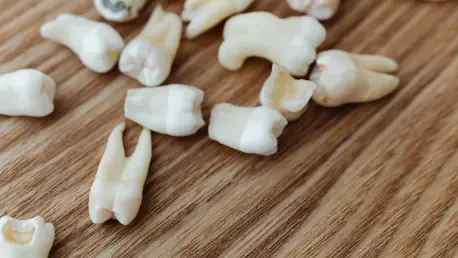

The loss of an adult tooth has long been considered a permanent event, a problem addressed only by synthetic replacements like dentures or implants that, while functional, are not a true biological restoration. However, a revolutionary wave of research emerging from Japan is challenging this fundamental aspect of human biology, suggesting a future where our own bodies could be coaxed into growing a third set of teeth. Spearheaded by Katsu Takahashi at the Medical Research Institute Kitano Hospital, this pioneering work is centered on a single, targeted medicine designed to unlock a dormant genetic potential within us all. This innovative approach moves beyond mechanical fixes and delves into the very code that governs our development, offering the tantalizing possibility of a genuine, living solution to tooth loss and transforming the landscape of dental medicine.
The Science Behind a Biological Breakthrough
Targeting the USAG-1 Gene
The foundation of this groundbreaking research rests on identifying and neutralizing a key genetic inhibitor known as Uterine Sensitization Associated Gene-1, or USAG-1. This gene is responsible for producing a protein that acts as a natural brake on tooth development, playing a crucial role in ensuring that most humans only develop two sets of teeth in their lifetime. Essentially, the USAG-1 protein suppresses the signals that would otherwise trigger the formation of additional tooth buds. Researchers have theorized that by deactivating this specific inhibitor, they could effectively unleash the body’s latent ability to generate new teeth from dormant buds that many people are believed to possess. The development of a highly specific antibody-based medication is central to this strategy. This medication is engineered to seek out and bind exclusively to the USAG-1 protein, rendering it inactive without interfering with other essential biological processes. By blocking this single inhibitory pathway, the treatment aims to reawaken the natural tooth development process, offering a biological alternative to artificial replacements and potentially addressing dental issues at their genetic source. This targeted approach represents a significant leap forward from more generalized therapies, focusing on a precise molecular target.
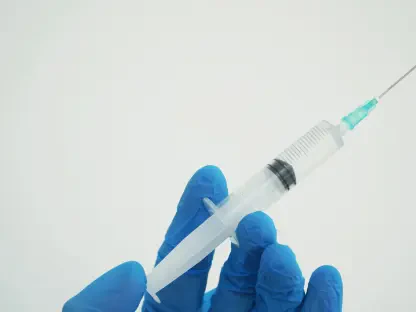
The development of this anti-USAG-1 antibody represents a sophisticated application of immunotherapy principles within the realm of regenerative medicine. Creating such a targeted drug involves a meticulous process of identifying the unique structure of the USAG-1 protein and then designing an antibody molecule that can lock onto it with high specificity, much like a key fits a particular lock. Once administered, these antibodies circulate through the body and neutralize the inhibitory protein, effectively removing the “stop” signal for tooth growth. This allows the body’s natural pro-development signals, which are often suppressed by USAG-1, to take over and stimulate the growth of latent tooth germs. This biological mechanism is considered far more elegant and integrated than traditional dental solutions. Instead of introducing a foreign object like an implant, this therapy encourages the body to repair itself using its own inherent capabilities. The success of this approach hinges on the theory that the genetic blueprint for a third set of teeth exists within us but is simply switched off by genes like USAG-1. By intervening at this genetic level, scientists are not creating something new but are instead reactivating a natural, albeit dormant, biological function.
From Animal Models to Human Potential
The theoretical promise of the anti-USAG-1 treatment was validated through a landmark preclinical study published in 2021, which demonstrated its efficacy in animal models. In these trials, researchers administered the antibody medication to mice that had congenital tooth agenesis, a condition similar to anodontia in humans where teeth fail to develop. The results were compelling: the treated mice successfully grew new, fully functional teeth, providing the first concrete proof-of-concept for this regenerative approach. This successful outcome was a critical milestone, confirming that blocking the USAG-1 protein could indeed trigger odontogenesis in a living mammal. The mouse model, with its genetic similarities to humans, provided a strong foundation for the hypothesis that a similar effect could be achieved in people. The study not only showcased the drug’s effectiveness but also its safety within the controlled environment of the lab, paving the way for the next, more challenging phase of research involving human subjects. This evidence was instrumental in securing the approvals and funding necessary to advance the therapy toward clinical trials, moving it from a fascinating scientific concept to a potential real-world medical intervention that could benefit millions.
The scientific rationale for why this therapy could work in humans is strongly supported by the existence of dormant tooth buds for a third dentition. This latent potential is most vividly illustrated by hyperdontia, a rare genetic condition where individuals grow supernumerary, or extra, teeth. Cases of hyperdontia serve as a natural proof that the human body retains the genetic and cellular machinery to produce more than the standard number of teeth; it is simply that in most people, this ability is suppressed by inhibitory genes like USAG-1. Researchers believe that the antibody treatment does not create a new ability but rather reactivates this existing, dormant one. By neutralizing the inhibitor, the therapy allows these latent tooth buds, which may otherwise never develop, to follow their natural developmental path into fully formed teeth. This approach is particularly promising for treating congenital tooth anomalies like anodontia, a condition affecting approximately 1% of the population who are born missing some or all of their teeth. For these individuals, the treatment offers the hope of growing their own natural teeth for the first time, representing a life-changing alternative to a lifetime of prosthetic solutions.
Charting the Course to Clinical Reality
The Human Trial Phase
Building on the robust preclinical evidence, the research team initiated the critical next step in 2024: the first human clinical trial. This phase is designed to rigorously evaluate the safety and efficacy of the tooth regrowth medicine in a controlled clinical setting. The initial trial focuses on individuals with congenital tooth anomalies, such as anodontia, providing a clear and measurable outcome for the study. Participants will be closely monitored to assess not only the drug’s ability to stimulate tooth growth but also to ensure it has no unintended side effects. Clinical trials are a multi-stage process, and this first phase is primarily concerned with establishing a safe dosage and confirming that the biological mechanism observed in animal models translates to humans. The success of this initial trial will be a pivotal moment for the field of regenerative dentistry. If the treatment proves to be both safe and effective, it will open the door to larger, more extensive trials involving a broader patient population, including those who have lost teeth due to injury or disease. The transition from animal studies to human trials marks the most significant leap in the development of this therapy, moving it from the laboratory bench closer to the dental chair.
The patient population selected for these initial trials is a crucial element of the research strategy. By focusing on individuals with congenital anodontia, scientists are able to study the drug’s effects on a group with a clear and profound medical need. These patients are born without the ability to develop a full set of teeth, and for them, a successful treatment would be nothing short of transformative. This specific focus also provides a clean baseline for measuring results; since these individuals are missing teeth from birth, any new growth can be directly attributed to the intervention. This differs from studying tooth loss in adults, where other factors like age, oral health, and existing dental work could complicate the findings. This targeted approach allows researchers to gather unambiguous data on the drug’s primary function: stimulating de novo tooth formation. If the trials yield positive results in this initial cohort, the research can be expanded to address more common forms of tooth loss, such as those resulting from decay, gum disease, or trauma. The path forward is methodical, with each phase building upon the validated successes of the last, ensuring both patient safety and scientific rigor are maintained throughout the process.
A New Horizon in Dental Care
The overarching vision for this innovative treatment is to establish it as a third pillar of dental care, providing a regenerative option alongside conventional solutions like dentures and implants. While prosthetics have served patients well for decades, they remain imperfect substitutes for natural teeth. Dentures can be uncomfortable and affect taste and speech, while implants require invasive surgery and may not be suitable for all patients due to bone density issues. A tooth regrowth medicine would fundamentally change this paradigm by offering a biological solution that restores a living, integrated tooth. This would not only improve functional outcomes but also have a significant positive impact on a patient’s quality of life and self-esteem. Dr. Takahashi and his team envision a future where a simple treatment could trigger the body’s own healing mechanisms, making tooth replacement a less invasive and more natural process. Should the ongoing clinical trials prove successful, this therapy has the potential to become a standard treatment within the next decade, heralding a new era in dentistry.
The journey toward making this therapy widely available has now reached a crucial stage. With human trials underway since 2024, the scientific community is watching closely as data on safety and efficacy are collected. The results of these trials will determine the next steps and the ultimate timeline for regulatory approval and public release. The path from a successful clinical trial to a widely available medical treatment is complex, involving rigorous review by regulatory bodies to ensure it meets the highest standards of safety and effectiveness. If the data remains positive and the trials proceed as planned, the researchers are optimistic that this tooth regrowth medicine could be ready for general use by 2030. This projected timeline reflected the methodical and cautious nature of medical research but also highlighted the rapid progress being made. The development of an anti-USAG-1 therapy represented a major step forward, demonstrating that targeted genetic intervention could unlock the body’s own regenerative potential and offer truly restorative solutions for what was once considered permanent loss.