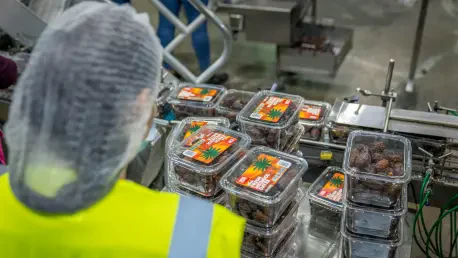

For the ever-expanding community of individuals navigating life after a cancer diagnosis, dietary choices have long been recognized as a cornerstone of maintaining long-term health and mitigating the risk of recurrence. While conventional wisdom has traditionally emphasized the balance of macronutrients like fats, proteins, and carbohydrates, a pivotal new study is compelling survivors and clinicians to look beyond the nutrition facts panel. This groundbreaking research scrutinizes the very nature of modern food production, posing a critical question: does the industrial processing of food itself introduce a distinct and significant danger for those who have already battled cancer? The evidence emerging from a long-term Italian cohort study suggests that the answer is a resounding yes, indicating that the methods used to create convenience foods may be just as crucial to health outcomes as their listed ingredients.
The Groundbreaking Link Between Processing and Risk
A landmark study published in Cancer Epidemiology, Biomarkers & Prevention has established a significant and alarming association between high consumption of ultra-processed foods (UPFs) and an elevated risk of both all-cause and cancer-specific mortality among long-term cancer survivors. This research, spearheaded by Dr. Marialaura Bonaccio, moves beyond a simplistic analysis of nutritional content, suggesting that the industrial processes foods undergo—including the use of additives, high-heat treatments, and chemical modifications—introduce health risks that are independent of a food’s basic profile of fats, sugars, or sodium. The central consensus from these findings is that the very nature of ultra-processing can trigger detrimental biological pathways, primarily related to systemic inflammation, which in turn can exacerbate health risks and shorten survival for individuals with a history of cancer. This shifts the focus from merely counting calories to evaluating the qualitative dimension of one’s diet.
The investigation is empirically anchored in the Moli-sani Study, a large-scale prospective cohort study that began in 2005, tracking the health of 24,325 adults from Italy’s Molise region. Within this extensive dataset, researchers identified a subgroup of 802 individuals who were cancer survivors at the study’s baseline and had provided comprehensive dietary information. To systematically analyze their eating habits, the study employed the internationally recognized NOVA classification system, which categorizes foods based on their degree of industrial processing. This framework allows for a clear distinction between fresh or minimally processed foods, processed culinary ingredients, processed foods, and the most heavily modified category: ultra-processed foods. These UPFs are defined as industrial formulations made largely from substances extracted from foods or synthesized in labs, often containing numerous additives like artificial flavors, colors, and emulsifiers designed to enhance palatability and extend shelf life.
Unpacking the Numbers and Biological Pathways
Over an average follow-up period of nearly fifteen years, during which 281 deaths were recorded among the 802 cancer survivors, the study’s central finding was a stark, dose-dependent relationship between UPF intake and mortality. The researchers quantified UPF consumption using both the percentage of total daily food weight and the percentage of total daily caloric intake. When analyzing the data based on the weight ratio, individuals in the highest tertile of UPF consumption demonstrated a 48% increased risk of all-cause mortality and a staggering 57% increased risk of cancer-specific mortality compared to those in the lowest consumption group. Critically, this powerful association remained statistically significant even after the research team meticulously adjusted for a wide array of potential confounding variables, including demographics, lifestyle habits like smoking and physical activity, body mass index, and overall diet quality, such as adherence to the Mediterranean Diet.
To delve into the underlying reasons for this increased mortality risk, the researchers investigated several key biomarkers related to inflammation and metabolic health. They discovered that adjusting for markers of systemic inflammation and resting heart rate—a proxy for autonomic regulation—significantly weakened the observed association between UPF intake and mortality by more than one-third. This finding strongly implicates chronic, low-grade inflammation as a primary biological mediator. The study posits that the complex mix of industrial additives, the thermal and chemical alteration of ingredients, and the formation of new compounds during manufacturing may collectively provoke a persistent inflammatory state throughout the body. For cancer survivors, such an environment is particularly hazardous, as it can foster conditions conducive to tumor recurrence, metastasis, and the development of other serious comorbidities like cardiovascular disease.
Practical Guidance for Survivors
The research provides clear, actionable guidance for clinicians, public health officials, and the growing population of cancer survivors. It underscores the urgent need to expand post-diagnosis nutritional counseling beyond simple nutrient targets to include explicit recommendations on the level of food processing. The analysis noted that not all categories of UPFs carried an identical level of risk; for example, artificially sweetened beverages, processed meats, and sugary products all contribute to the problem. This suggests that the negative health impact is driven by the cumulative effect of a dietary pattern dominated by various UPFs, rather than being attributable to a single type of processed product. Consequently, the focus for survivors should be on shifting their overall dietary pattern away from industrial formulations and toward foods that are closer to their natural state.
For individuals seeking to apply these findings, the core advice is to prioritize a diet centered on fresh, whole, and minimally processed foods, ideally prepared at home where ingredients and cooking methods can be controlled. A practical tip for navigating the grocery store is to become a vigilant label reader. A useful rule of thumb is to avoid products with more than five ingredients or those containing additives with unfamiliar chemical names, as these are often hallmarks of ultra-processing. This conscious approach to food selection empowers survivors to actively reduce their exposure to the industrial components that may fuel inflammation and other detrimental biological processes. The goal is not perfection but a progressive shift toward a diet that nourishes the body without introducing the hidden risks associated with heavy industrial modification, reinforcing a simple yet powerful principle for long-term health.
A New Frontier in Oncological Nutrition
The authors conscientiously acknowledged several limitations inherent in their study’s design. As an observational investigation, it could demonstrate a strong association but could not definitively prove a causal link between the consumption of ultra-processed foods and increased mortality. Furthermore, its reliance on self-reported dietary data was subject to potential recall bias, and it was possible that participants’ dietary habits changed over the long follow-up period. The dietary assessment also occurred, on average, more than eight years after the initial cancer diagnosis, which introduced the possibility of survivorship bias and lacked data on the initial cancer stage, thereby preventing more granular analyses. These factors highlighted the need for careful interpretation of the results while still recognizing their profound implications for nutritional science.
Despite these limitations, the investigation was a landmark contribution to the field of oncological nutrition. It championed a crucial paradigm shift, urging the scientific and medical communities to consider the qualitative dimension of food processing as an independent determinant of health outcomes. The findings issued a compelling call for further research into the specific molecular and microbiological mechanisms—including impacts on the delicate gut microbiome—through which UPFs influence long-term health in cancer survivors. Such research could ultimately pave the way for more precise and personalized dietary interventions. In an era where ultra-processed foods have become increasingly prevalent in global diets, this study served as a powerful reminder that reconceptualizing diet quality through the lens of food processing should be a central component of comprehensive survivorship care.