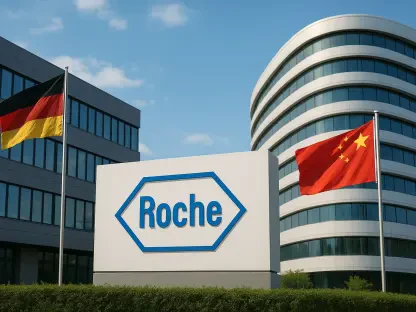
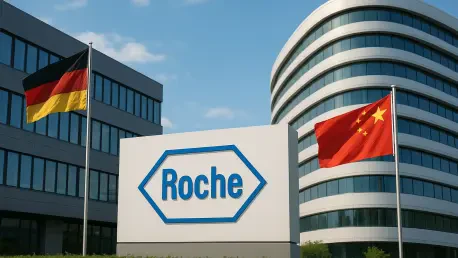
High-ranking officials at Roche have characterized the current German policy environment as a barrier to the capital-intensive research required for medical breakthroughs. The global pharmaceutical industry is undergoing a radical transformation as companies move away from traditional European

The rapid growth of the female Veteran population has fundamentally altered the operational requirements of national healthcare systems, necessitating a more nuanced understanding of how these individuals access critical services. A comprehensive national study of 1.6 million Veterans has revealed

The sudden shift of bioactive peptides from sterile laboratory settings to the bathroom cabinets of fitness enthusiasts marks a radical departure in how the public perceives pharmaceutical intervention and personal health optimization. In the current landscape of 2026, these short chains of amino

Computational modeling tools now allow pharmaceutical chemists to predict which molecular structures are most likely to form harmful nitroso groups. This capability marks a significant departure from the reactive atmosphere following the 2018 discovery of N-nitrosodimethylamine (NDMA) in

Developing highly selective inhibitors for underexplored cyclin-dependent kinases represents a new frontier in treating malignancies that have become resistant to traditional therapy. The Vall d’Hebron Institute of Oncology (VHIO) has positioned itself at the vanguard of this transformative era,

By 2024, the teacher tuberculosis notification rate in Chengdu stood at 16.00 per 100,000, significantly exceeding the student notification rate of just 5.78 per 100,000. This stark disparity highlights a critical shift in the epidemiological landscape of educational institutions that has long gone
1 2 3 4 5 6 7 8 9 10 11 12 13 14 15 16 17 18 19 20 21 22 23 24 25 26 27 28 29 30 31 32 33 34 35 36 37 38 39 40 41 42 43 44 45 46 47 48 49 50 51 52 53 54 55 56 57 58 59 60 61 62