
While a machine learning model might demonstrate nearly perfect accuracy in a controlled laboratory setting, its transition into the high-stakes environment of a modern hospital often reveals unforeseen systemic frictions that technical metrics simply cannot capture. This phenomenon highlights the inherent danger of techno-solutionism, a prevailing mindset where developers assume that a superior algorithm will naturally resolve complex institutional inefficiencies. In the current landscape of 2026, the medical community frequently encounters tools that excel at data processing but stumble when faced with the messy, non-linear realities of patient care. The assumption that healthcare is merely a series of information-processing tasks leads to a narrow focus on computational output, often neglecting the cultural and organizational frameworks that allow medical facilities to function. Consequently, a digital tool that appears revolutionary on a spreadsheet can become a burdensome obstacle for the practitioners it was intended to assist, ultimately widening the gap between technical potential and clinical utility.
The Disconnect Between Benchmarks and Bedside Reality
Recent research from Durham University regarding emergency department triage highlights how a narrow focus on technical superiority can obscure practical failures. A sophisticated machine-learning algorithm was developed to categorize patient urgency, and it consistently outperformed traditional paper-based triage systems in identifying high-risk cases based on retrospective data. However, the study revealed a significant oversight regarding the social and organizational implications of deploying such a system within a busy hospital wing. The technical success of the algorithm did not account for how it would reorganize the workflow of triage nurses or how it might alter the split-second decision-making processes required during a mass casualty event. By focusing solely on the accuracy of the output, the developers overlooked the reality that triage is not just a data entry task but a dynamic social interaction that involves physical assessment and immediate prioritization based on visual cues.
The implementation of these high-performing algorithms often disrupts the delicate balance of professional interactions and established hierarchies among medical staff. When a machine dictates a course of action that contradicts the seasoned judgment of a clinician, it creates a friction point that technical benchmarks fail to measure. In many instances, the research surrounding these tools remained focused on the isolation of data variables while neglecting the human environment the technology was designed to serve. This narrow perspective often leads to a situation where the digital system operates in a vacuum, ignoring the complex feedback loops that exist between doctors, nurses, and administrative personnel. Without a deep understanding of the organizational structure, even the most advanced AI risks becoming a source of frustration rather than a catalyst for efficiency, as it may inadvertently force practitioners to adapt their workflows to suit the limitations of the software rather than the needs of the patient.
Sensory Intelligence and the Challenge of Alarm Fatigue
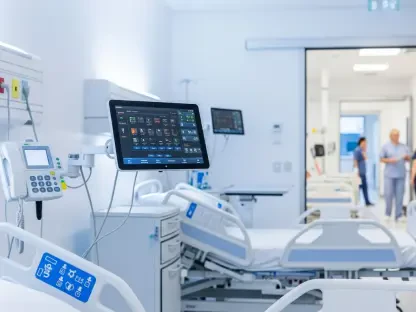
Ethnographic research conducted by Chiara Carboni in the Netherlands provides a compelling counterpoint to the hype surrounding automated monitoring in intensive care units. Through extensive observation, it was found that experienced nurses develop a specific form of “attunement” to their clinical environment, allowing them to differentiate between critical alarms and inconsequential background noise. This sensory intelligence is built over years of practice and is deeply rooted in the context of the specific patient’s condition and the physical layout of the ward. In contrast, many AI-driven monitoring systems are designed to treat every threshold violation with equal urgency, leading to an overwhelming volume of alerts. Instead of streamlining the care process, these systems often contribute to significant cognitive load, forcing nurses to filter through a constant stream of digital interruptions to find the truly actionable information that requires their immediate attention.
When an algorithm ignores the nuance of human expertise, it can inadvertently create more work for the clinical team and introduce chaos into an otherwise ordered environment. An automated system that triggers an alert for every minor physiological fluctuation fails to understand the clinical context that a human practitioner takes for granted. For instance, a nurse might know that a patient’s elevated heart rate is a temporary response to movement rather than a sign of distress, yet the AI may insist on a formal intervention. This creates a paradoxical situation where a technology intended to improve safety actually increases the risk of error due to alarm fatigue and the desensitization of staff. True innovation in this space requires moving beyond the simplistic automation of alerts and toward a design philosophy that respects and enhances the attuned nature of medical professional expertise, ensuring that digital tools serve as assistants rather than disruptive noise generators.
Moving Beyond the Limitations of Digital Replacements
A fundamental flaw in the current evaluation of clinical AI is the tendency to compare algorithmic performance against rigid paper-based manuals rather than actual human practice. In reality, healthcare professionals do not function like static decision trees; they apply intuition, situational awareness, and tacit knowledge that paper systems are unable to capture. Therefore, when an AI model “beats” a manual protocol on a spreadsheet, it is often a hollow victory because the manual was never a complete representation of how care is delivered. The human practitioner provides a layer of interpretive flexibility that allows for deviations from the script based on unique patient circumstances. By treating the paper manual as the gold standard for comparison, developers miss the opportunity to understand the sophisticated cognitive processes that characterize expert medical performance, leading to the creation of tools that feel regressive to the users.
The industry recognized that for AI to achieve genuine clinical effectiveness, the focus had to shift toward a holistic understanding of social organization in the workplace. Stakeholders began to prioritize the integration of ethnographic insights into the development lifecycle, ensuring that developers spent time in the field before writing a single line of code. This transition involved moving away from the “one size fits all” mentality and embracing specialized tools that were tailored to the specific workflows of different medical departments. Policy frameworks were updated to emphasize the importance of human-in-the-loop systems, where technology was evaluated based on its ability to support human intuition rather than replace it. By acknowledging that healthcare was not merely a collection of rational algorithmic decisions, the medical community fostered a more collaborative relationship between technology and practice, leading to innovations that were both technically sound and practically sustainable in the long term.