
When a medical crisis strikes in the middle of the night, the immediate availability of high-level clinical expertise becomes the most critical factor in determining a patient’s long-term recovery or survival. Residents of Lamar County often face the daunting reality of traditional hospital waiting rooms, where the sheer volume of patients can lead to agonizing delays during time-sensitive emergencies like cardiac distress or severe allergic reactions. Quality Care ER addresses this specific challenge by providing a sophisticated, physician-led alternative that operates independently of the traditional hospital infrastructure while maintaining the same rigorous clinical standards found in major metropolitan trauma centers. By specializing exclusively in emergency medicine, the facility removes the bureaucratic hurdles often associated with large-scale healthcare systems, ensuring that every individual who walks through the doors receives immediate attention from a board-certified emergency physician rather than being processed through a lengthy triage queue. This model represents a significant shift in how localized emergency services are delivered, prioritizing speed and precision without compromising the depth of medical intervention required for life-threatening conditions.
The functional distinction between a freestanding emergency department and a standard urgent care clinic is a vital piece of knowledge for any community member seeking appropriate medical intervention. While urgent care centers are designed to handle minor ailments such as low-grade fevers, simple lacerations, or seasonal flu symptoms, they lack the advanced diagnostic technology and specialized personnel required to manage true medical catastrophes. In contrast, Quality Care ER is fully equipped to stabilize and treat complex conditions, including acute stroke symptoms, respiratory failure, and major physical trauma. The facility functions as a comprehensive emergency suite, offering the same level of care one would expect from a hospital-based ER but within a more streamlined and accessible environment. Because the facility is open 24 hours a day, 365 days a year, it serves as a constant safeguard for the region, filling the critical gaps that appear when primary care offices are closed or when local hospitals are at peak capacity. This continuous availability ensures that the community has a reliable destination for expert care regardless of the hour or the complexity of the medical situation at hand.
Clinical Excellence and Advanced Provider Qualifications
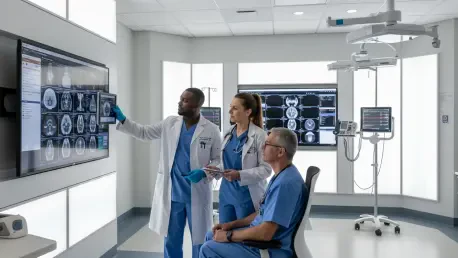
A cornerstone of the facility’s operational success is its commitment to staffing only the most highly qualified medical professionals in the field of emergency medicine. Unlike many medical settings where a patient might first be seen by a physician assistant or a resident, every patient at this facility is evaluated directly by a board-certified emergency physician. These doctors often bring extensive backgrounds from Level I trauma centers, providing them with the unique ability to remain calm and decisive during high-pressure scenarios where seconds matter. Supporting these physicians is a team of registered nurses who are required to maintain a suite of advanced certifications, including Advanced Cardiac Life Support (ACLS) and Pediatric Advanced Life Support (PALS). This rigorous requirement ensures that the nursing staff possesses the specialized skills necessary to manage everything from pediatric emergencies to complex geriatric cardiac events. By maintaining such high internal standards for personnel, the facility guarantees a level of clinical oversight that rivals the most prestigious academic medical centers in the state of Texas.
Building on this foundation of expertise, the facility emphasizes a multidisciplinary approach to emergency care that integrates specialized nursing with physician-led diagnostics. This collaborative environment allows for a rapid exchange of information, which is essential when diagnosing conditions that do not present with obvious symptoms, such as internal hemorrhaging or atypical cardiac presentations. The nurses’ extensive experience in high-volume emergency rooms allows them to anticipate a physician’s needs, creating a seamless workflow that drastically reduces the time between a patient’s arrival and the commencement of life-saving treatment. This efficiency is not merely about convenience; it is a clinical necessity that improves patient outcomes by minimizing the physiological stress associated with delayed intervention. Furthermore, the specialized focus on emergency medicine means that the staff is not distracted by the demands of inpatient floor management or routine clinical tasks, allowing them to dedicate their full attention and resources to the person currently in crisis.
Diagnostic Capabilities and Regional Integration
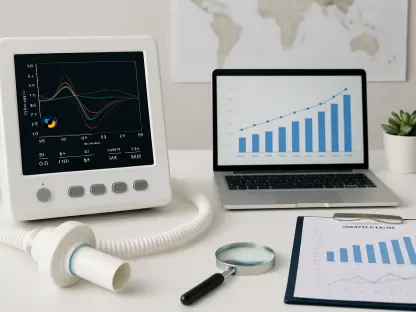
To support its high-level clinical team, the facility is outfitted with an impressive array of on-site diagnostic technologies that allow for real-time medical analysis. This includes advanced imaging systems such as high-resolution CT scans, digital X-rays, and ultrasound machines, all of which are essential for identifying fractures, organ damage, or vascular blockages within minutes of a patient’s arrival. Having these tools immediately available on-site eliminates the need to transport patients to secondary locations for imaging, a process that can be both dangerous and time-consuming during a crisis. In addition to imaging, a fully functional COLA-certified laboratory operates around the clock to provide rapid blood work, toxicology screens, and metabolic panels. These diagnostic resources empower physicians to move from a preliminary assessment to a definitive diagnosis with extraordinary speed, allowing for the immediate administration of appropriate medications or the initiation of stabilization protocols. This level of technological integration ensures that the facility can handle the most demanding medical challenges with total clinical confidence.
While the facility operates as an independent entity, it remains deeply integrated into the broader regional healthcare network of Lamar County and the surrounding areas. This connectivity is most apparent when a patient’s condition requires prolonged hospitalization or specialized surgical intervention that goes beyond the scope of an emergency department. In such instances, the facility has established protocols for seamless transfers to regional hospitals, ensuring that the transition of care is handled with the utmost professional coordination. Because the patient has already been stabilized and diagnosed by a board-certified physician, the receiving hospital can prepare for their arrival with a clear understanding of the clinical requirements. This role as a “relief valve” for the local healthcare system is increasingly important as population growth puts more pressure on traditional hospital resources. By managing the initial, most critical phase of emergency care, the facility allows hospital systems to focus their resources on long-term inpatient management, thereby improving the overall efficiency of the regional medical infrastructure.
Strategic Perspectives for Emergency Preparedness
Looking forward from 2026 and into 2027, the evolution of emergency medicine will increasingly rely on the agility of freestanding departments to adapt to shifting community needs. To maximize the benefits of these specialized facilities, families and individuals should proactively integrate them into their emergency response plans before a crisis occurs. Understanding the location and capabilities of a high-level ER can significantly reduce the panic often associated with sudden illness or injury, allowing for a faster transition from the home or workplace to professional medical care. It is highly recommended that residents familiarize themselves with the specific services offered, such as the pediatric-specific protocols and the advanced imaging options, to ensure they are making informed decisions during high-stress moments. As healthcare continues to move toward more personalized and accessible models, the presence of a dedicated emergency facility in Paris provides a blueprint for how small to mid-sized cities can maintain elite clinical standards without the traditional delays of a massive hospital complex.
The long-term impact of this healthcare model lies in its ability to provide consistent, high-quality outcomes through a combination of elite staffing and rapid diagnostic turnaround. For those managing chronic conditions or caring for vulnerable family members, knowing that a board-certified physician is available within minutes can offer profound peace of mind. Future developments in local healthcare will likely see even deeper integration between these freestanding units and specialized rehabilitation or follow-up clinics, creating a more holistic path from emergency stabilization to full recovery. For now, the focus remains on maintaining a state of constant readiness and ensuring that the residents of Paris have access to the same caliber of emergency medicine found in major urban centers. By prioritizing clinical excellence and removing the barriers to immediate care, the facility has established itself as an indispensable pillar of the local community’s safety net. Transitioning to this model of care represents a proactive step for the region, ensuring that the highest standards of medicine are always within reach for those who need them most.