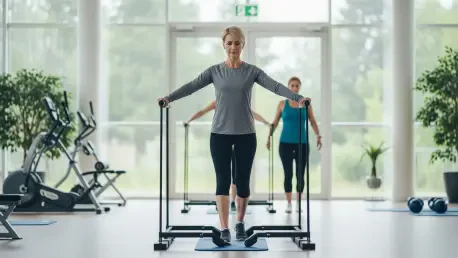

Global longevity trends in 2026 present a paradoxical challenge where increasing life expectancy does not always equate to a higher quality of life for the elderly population. For many postmenopausal women, the intersection of rapid physiological changes and shifting societal roles creates a unique set of stressors that can compromise both physical autonomy and mental health. Recent clinical research has illuminated a path forward, suggesting that the traditional approach of isolated aerobic or strength training may be insufficient for this specific demographic. Instead, a comprehensive multicomponent exercise strategy has emerged as a transformative intervention, capable of addressing the multifaceted nature of aging through a more integrated lens. By combining various physical disciplines, this method does more than just strengthen muscle tissue; it significantly fortifies the psychological foundations of the individual. This holistic paradigm represents a vital shift in geriatric care, prioritizing the maintenance of functional independence through a deliberate synergy of physical exertion and mental resilience.
Methodological Rigor: The Power of Integrated Physical Training
The effectiveness of these exercise interventions was verified through a strictly structured randomized controlled trial, which is widely considered the gold standard for clinical research. This approach allowed investigators to isolate the specific benefits of physical activity from other external variables, ensuring that the improvements observed in the participants were directly linked to the exercise regimen itself. The study included women with a diverse range of functional baselines, making the findings broadly applicable rather than limited to a small group of high-functioning individuals. By focusing on a “multicomponent” strategy, the researchers moved away from the narrow scope of traditional fitness programs. This comprehensive model integrated aerobic conditioning, resistance training, balance exercises, and flexibility drills into a single, cohesive framework. Such a variety of movements ensures that the body is prepared for the unpredictable physical demands of daily living, from navigating uneven terrain to maintaining the stamina required for sustained social engagement.
This integrated training environment also produced what experts call a “halo effect,” where the physical gains translated into significant improvements in overall quality of life. Participants reported higher levels of emotional stability and a renewed sense of confidence in their physical capabilities, which are often eroded by the natural aging process. For many women, the structured nature of the program provided an ideal setting to master new skills, directly boosting their self-efficacy. This psychological empowerment is crucial because it alters the way individuals perceive their own aging process, moving from a mindset of decline to one of capability. Furthermore, the group-based setting of the sessions served as a powerful antidote to the social isolation that frequently affects geriatric populations. By fostering a sense of community and shared purpose, the program helped participants rebuild social connections that are just as vital to health as cardiovascular fitness or muscular strength.
Building Resilience: Stress Management and Psychological Coping
Aging is frequently accompanied by a surge in psychological stressors, often driven by health concerns, the loss of loved ones, or the significant life transition into retirement. The research indicated that women who participated in the multicomponent exercise program were notably better equipped to navigate these emotional challenges than those who remained sedentary. This enhanced resilience is largely attributed to the regulation of the body’s physiological stress response, specifically the management of cortisol levels and the improvement of sleep quality. By establishing a robust physical “reserve,” the participants were able to handle emotional setbacks without becoming overwhelmed. This suggests that physical fortification is not merely about bodily health but serves as a fundamental cornerstone for maintaining mental stability during the later stages of life. The ability to remain calm and collected under pressure is a direct byproduct of the discipline and physiological balance cultivated through regular, varied exercise.
Moreover, the inherent variety of a multicomponent regimen provides a form of cognitive training that is often overlooked in simpler exercise programs. Constantly switching between different types of tasks, such as transitioning from a balance drill to a strength exercise, requires a high degree of mental focus and adaptability. This mental flexibility is believed to carry over into everyday life, improving a person’s ability to solve problems and adapt to new or unexpected situations. By improving the body’s baseline physiological state, the exercise program reduces the chronic anxiety that can cloud judgment and diminish one’s outlook on life. This creates a positive feedback loop where physical improvements lead to a more optimistic mindset, which in turn encourages continued participation in healthy behaviors. Consequently, the exercise intervention acts as a comprehensive stabilization tool, ensuring that the mind remains as agile and resilient as the body as the years progress.
Biological Foundations: Neuroplasticity and Proactive Wellness
A deeper dive into the biological mechanisms at play reveals that the gains seen in aging women are driven by sophisticated neurobiological changes, particularly involving certain proteins. The study highlights the role of Brain-Derived Neurotrophic Factor, which effectively functions as a growth stimulant for the brain by supporting existing neurons and encouraging the development of new ones. By engaging in a diverse array of physical challenges, participants were able to stimulate the release of these neurotrophic factors, leading to measurable improvements in mood and cognitive function. This scientific evidence directly refutes the outdated assumption that the aging brain is a static organ destined for inevitable decline. Instead, it proves that the brain remains remarkably plastic and capable of significant structural and functional improvement well into the later stages of life. This discovery shifts the conversation from simply managing the symptoms of aging to actively enhancing the biological health of the central nervous system.
This paradigm shift toward “proactive wellness” represents a major turning point in how geriatric medicine is practiced in the modern era. Rather than focusing solely on treating diseases as they arise, the emphasis is now on optimizing the lived experience and extending the “healthspan” of the individual. The trial results demonstrated that the benefits of multicomponent exercise were not fleeting; instead, sustained engagement led to long-term improvements that persisted well after the initial training period. This suggests that such programs are not just temporary fixes but should be integrated as permanent fixtures in community health centers and senior living environments. By prioritizing these non-pharmacological interventions, healthcare providers can offer a more holistic and less invasive path to healthy aging. This approach recognizes that the human body is an integrated system where physical activity serves as a primary driver for both cellular health and overall mental clarity.
Economic Impacts: Healthcare Optimization and Personalization
The broader implications of these findings are substantial for public policy and the sustainability of healthcare systems. By significantly improving the health and coping mechanisms of aging women, multicomponent exercise programs can lead to a marked reduction in healthcare utilization and a lower reliance on expensive medications. Preventive exercise is far more cost-effective than the intensive medical treatments required for chronic stress-related illnesses or injuries resulting from falls and poor balance. Furthermore, this research helps dismantle persistent ageist stereotypes by moving the narrative away from a focus on fragility and toward a celebration of resilience and capability. When elderly individuals are empowered to maintain their own health, the entire society benefits from their continued participation and reduced burden on public resources. This creates a more inclusive environment where aging is viewed not as a liability but as a phase of life that can be defined by continued growth and contribution.
In the previous decade, the medical community began to recognize the necessity of movement, but the current advancements in 2026 have pushed this understanding into the realm of highly personalized care. Future strategies will likely involve the integration of wearable technology and digital health platforms to monitor progress in real-time and provide tailored feedback to participants. These tools allowed for a more precise calibration of exercise intensity, ensuring that every individual received the maximum benefit without the risk of overexertion. By scaling these findings through modern technological infrastructure, healthcare providers ensured that a wider demographic of women gained access to these life-altering benefits regardless of their geographic location. The transition toward data-driven, multicomponent programs represented a definitive step in the evolution of geriatric health. Ultimately, the systematic implementation of these exercise protocols proved to be a cornerstone in fostering a future where vitality and mental clarity are accessible to all aging individuals.