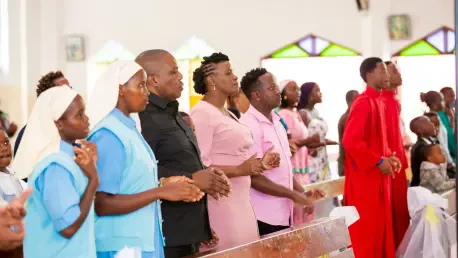

In the shadow of Mount Kenya, a unique beacon of hope shines from the town of Timau, where a dedicated group of Catholic sisters is waging a compassionate war against the devastating impact of addiction and mental illness. The Holy Innocents BPSS Centre, a faith-based rehabilitation facility, has pioneered an approach that seamlessly integrates modern medical science with profound spiritual care. Since its establishment, the center has become a sanctuary for those marginalized by society, earning its staff the affectionate community nickname, “Friends of the Drunkards,” for their unwavering, non-judgmental mission to heal the broken and restore dignity to every life they touch. This facility represents a powerful, localized response to a national crisis, offering a model of care that addresses not just the symptoms of addiction but the entire person—biologically, psychologically, socially, and spiritually.
A Sanctuary of Healing: The Center’s Foundation
The Synergy of Faith and Science
The Holy Innocents BPSS Centre was born from a direct and compassionate response to what is widely considered one of Kenya’s most urgent social crises: the rampant spread of alcohol and drug dependency, which has fueled a parallel surge in mental health challenges. Co-founded in 2021 by Bishop Salesius Mugambi of the Diocese of Meru and Sr. Veronica Nkirote Rukunga, the facility embodies a vision to provide professional, dignified care where it is most needed. Sr. Veronica, who is also the foundress of the Servants of the Holy Innocents Sisters, has infused the center’s mission with the congregation’s core charism. This guiding principle is inspired by the steadfast compassion of Our Lady of Sorrows, who remained with her suffering son through his greatest agony. This spiritual foundation compels the sisters to stand in solidarity with society’s most wounded members, offering a sanctuary where brokenness is met not with judgment, but with hope and an opportunity to find purpose in pain and recovery.
At the heart of the center’s philosophy is the belief that genuine healing requires a confrontation with the root causes of suffering, which Sr. Veronica metaphorically refers to as “the Herods of today: alcohol and drug abuse.” This perspective frames their work not merely as a clinical service but as a spiritual mission to protect and restore life. The overarching goal is to heal individuals with “love, mercy, and compassion without being judgmental,” a principle that permeates every interaction and decision within the facility. This approach actively rejects the stigma that so often accompanies addiction and mental illness, creating an environment where individuals feel safe enough to be vulnerable and begin the difficult journey of recovery. The sisters and their lay collaborators see their work as a modern-day imperative to offer solace and practical solutions, demonstrating that a combination of profound faith and evidence-based science can provide a powerful antidote to despair and lead individuals back to a life of purpose and sobriety.
The Holistic BPSS Framework
A cornerstone of the center’s remarkable success is its holistic operational model, meticulously built upon the four pillars of the BPSS framework: Biological, Psychological, Social, and Spiritual. This integrated approach ensures that care is comprehensive rather than fragmented, treating each individual as a whole person deserving of dignity and respect. The 24-hour facility moves far beyond simplistic physical treatment to address the complex and interconnected nature of addiction. The biological component involves direct medical intervention, including professionally managed detoxification to safely wean individuals off substances while addressing any resulting physical health complications. This foundational step is critical for stabilizing the client and preparing them for the deeper therapeutic work that follows. This pillar ensures that the physical toll of addiction is expertly managed, clearing the way for mental and emotional healing to begin in a medically sound environment.
The true strength of the BPSS model lies in the seamless integration of its four components, creating a synergistic effect that fosters lasting recovery. While the biological pillar addresses the body, the psychological aspect focuses on mental wellness through intensive individual and group therapy, helping clients understand the underlying issues that fuel their addiction. Concurrently, the social dimension works to rebuild the essential support networks that are often shattered by substance abuse, including mending family relationships and re-establishing community ties. Finally, the spiritual pillar provides a foundation for inner healing, offering guidance and fostering a sense of hope and purpose that transcends the immediate challenges of sobriety. This comprehensive framework is consistently highlighted by staff and clients alike as the key to their success, as it acknowledges that addiction is not just a physical ailment but a multifaceted crisis that affects every aspect of a person’s life and requires a truly holistic solution.
From Treatment to Transformation: The Center in Action
Integrated Care and Professional Expertise
The holistic philosophy of the Holy Innocents BPSS Centre is translated into action through a wide range of structured services intentionally designed to facilitate comprehensive healing. Since its inception, the center has offered inpatient and outpatient rehabilitation, complete psychiatric care, medically supervised detoxification programs, and a robust schedule of both individual and group therapy sessions. Spiritual guidance is not treated as a separate component but is carefully woven throughout all aspects of the recovery process, providing a constant source of strength and meaning for clients. This professional framework is executed by a dedicated and highly skilled multidisciplinary team. This team comprises certified psychiatrists, registered nurses, clinical psychologists, lab technologists, addiction counselors, and social workers, all collaborating to provide a unified and consistent level of care. Their combined expertise ensures that every client receives a treatment plan that is both scientifically sound and compassionately delivered.
The clinical process at the center is systematic, individualized, and grounded in best practices. Kelvin Mwega, the Head of Clinical Services and a clinical psychologist, explains that upon admission, every client undergoes a thorough assessment. This intake includes comprehensive lab tests to evaluate the health of vital organs, such as the liver and kidneys, which are often damaged by substance abuse. Based on these results, the clinical team develops a personalized care plan, which may include medically assisted detox to manage withdrawal symptoms safely and effectively. Therapy sessions are then tailored to address the specific biological, psychological, social, and spiritual needs of the client. Furthermore, the program integrates essential life skills training and family therapy to mend strained relationships and equip individuals with the tools they need for successful reintegration into society. A critical and distinctive feature of their program is the post-discharge follow-up, which involves home visits to provide ongoing support and help prevent relapse, demonstrating an unwavering, long-term commitment to each person’s well-being.
Community Impact and a Unified Mission
The profound and visible impact of the center’s work created a powerful ripple effect, inspiring widespread community support and generating transformative success stories that served as a constant source of motivation. Sr. Purity Mathenge, the Administrator, shared compelling examples of this impact, recounting the story of a man they rescued from the streets who is now gainfully employed and living a stable life, as well as a former client who, after completing his recovery, was so moved by the mission that he joined the center’s staff to help others. These tangible milestones underscored the program’s effectiveness and continuously fueled the team’s dedication to their challenging work. The life-changing results mobilized the local community, which rallied behind the sisters’ efforts. Lay associates, such as Vincent Mutwiri, joined the mission to extend its reach, conducting sensitization, outreach, and advocacy in areas the sisters could not access directly, thereby amplifying their impact and bringing hope to even more families.
This collaborative spirit culminated in a unified and urgent call to compassion that resonated throughout the region. The community’s deep respect and appreciation for the sisters’ work was encapsulated in the nickname “Friends of the Drunkards,” a title Mr. Mutwiri noted the sisters wore with humility, as it signified that their compassionate, non-judgmental love was recognized as a force that was actively saving lives. In a direct and heartfelt invitation, Sr. Joan Nyakato, a caregiver, urged anyone struggling not to suffer in silence: “Reach out, let’s talk about it… you are not alone. We are ready to hold your hand.” Her message was one of profound hope, emphasizing that addiction was not a final destination and that a sober life was attainable for everyone. The Holy Innocents BPSS Centre stood as a powerful model, proving that by rejecting stigma and combining evidence-based professional care with deep spiritual compassion, a healed, sober, and compassionate society could be built, one life at a time.