
The global demographic landscape is currently undergoing an unprecedented transformation as the proportion of individuals aged sixty-five and older continues to rise at a rate that traditional healthcare systems are struggling to accommodate effectively. This shift necessitates a move away from reactive medical models, which often wait for a crisis to occur before providing intervention, toward proactive and holistic care strategies that prioritize long-term functional independence. The GEROS Project emerges as a critical innovation in this space, integrating the clinical precision of the Comprehensive Geriatric Assessment with a dynamic service-learning educational framework. By doing so, it creates a sustainable ecosystem where the immediate health needs of the elderly are met while simultaneously preparing a new generation of healthcare practitioners to handle the complexities of aging with both technical expertise and profound empathy. This initiative represents a paradigm shift in how society perceives and manages the later stages of life, ensuring that care is as dignified as it is medically sound.
The Foundation: Multidimensional Health Assessments
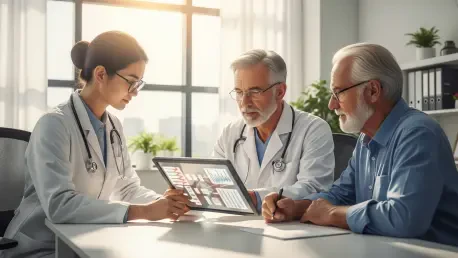
Central to the success of this initiative is the Comprehensive Geriatric Assessment, a diagnostic process that transcends the limitations of standard physical examinations by evaluating an individual’s entire biological and social profile. Rather than focusing solely on isolated symptoms or specific diseases, this multidimensional tool examines functional capacity, cognitive health, and environmental factors to gain a holistic understanding of a person’s status. In the current healthcare climate of 2026, where chronic conditions are increasingly prevalent, this thorough approach allows providers to identify subtle changes in health that might otherwise go unnoticed. By analyzing the intersection of physical mobility and mental acuity, the assessment provides a baseline that is essential for developing long-term wellness strategies. This rigorous diagnostic phase ensures that every intervention is tailored to the specific vulnerabilities of the individual, fostering a more precise and effective medical environment.
Building upon the data gathered during these assessments, the program develops highly personalized intervention plans that are both evidence-based and adaptable to changing circumstances. These customized strategies move away from the “one-size-fits-all” advice often found in general practice, focusing instead on the unique physiological and psychological needs of each senior participant. For instance, if the assessment reveals a high risk of falls coupled with early-stage nutritional deficiencies, the resulting plan prioritizes strength training and metabolic support rather than generic wellness goals. This level of specificity is maintained through continuous monitoring, allowing the multidisciplinary team to adjust recommendations as the participant progresses. By grounding all actions in the empirical findings of the initial assessment, the project ensures that resources are allocated efficiently, ultimately leading to better health outcomes and a higher degree of personal autonomy for those involved.
Educational Integration: Bridging Theory and Practice
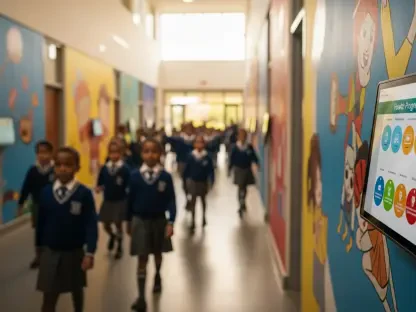
A defining characteristic of this project is its commitment to the service-learning model, which successfully bridges the gap between theoretical classroom instruction and real-world clinical application. This pedagogical strategy requires health sciences students to step outside of traditional laboratory settings and engage directly with the community, where they participate in the actual delivery of geriatric care. By working alongside seasoned professionals, these learners gain invaluable insights into the nuances of patient interaction and the logistical challenges of managing complex health profiles. This immersion fosters a deep sense of social responsibility and helps dismantle the ageist stereotypes that often persist in medical education. As students apply their academic knowledge to tangible problems, they develop a more sophisticated understanding of geriatric science, ensuring they are well-equipped to lead the healthcare workforce in the coming years.
The symbiotic relationship created through this model offers significant benefits to both the students and the senior citizens they serve within their local communities. While the learners acquire critical clinical skills and emotional intelligence, the older participants receive a level of personalized attention and frequent monitoring that is rarely available in standard institutional settings. This interaction transforms the care process into a shared journey, where the dignity of the elderly is prioritized alongside the educational growth of the students. By facilitating these meaningful connections, the project addresses the social isolation that many seniors face while providing students with a realistic view of the aging process. This community-centric approach ensures that the healthcare provided is not only technically proficient but also compassionate, creating a more inclusive environment that values the contributions of all generations.
Proactive Strategies: Maintaining Autonomy and Vitality
The core mission of the initiative revolves around the promotion of functional independence through early intervention and the mitigation of modifiable risk factors. Physical mobility stands as a primary pillar of this effort, with specialized exercise regimens designed to enhance cardiovascular health, muscle density, and balance. These activities are critical in preventing falls, which remain a leading cause of injury and loss of independence among the elderly population in 2026. Simultaneously, the program addresses nutritional health by providing personalized counseling that accounts for metabolic changes and the complexities of polypharmacy. By ensuring that seniors receive the proper nutrients to support their physical activity, the project builds a foundation of resilience that allows individuals to remain active in their homes and communities for longer periods, significantly reducing the burden on long-term care facilities.
Cognitive preservation and mental well-being are treated with the same level of urgency as physical health within the program’s comprehensive framework. Recognizing that neurodegenerative conditions and psychological distress can severely impact quality of life, the project incorporates early screening protocols and cognitive stimulation activities. These efforts are designed to maintain mental sharpness and identify the early signs of depression or anxiety, which are frequently overlooked in older adults. By creating a supportive environment that encourages social engagement and mental exercise, the program helps participants build cognitive reserve and emotional resilience. This proactive focus on mental health serves to break down the stigma associated with psychological care in the elderly, ensuring that participants feel empowered to seek help and remain mentally vibrant as they age, further safeguarding their overall independence and life satisfaction.
Modern Innovation: Data Analytics and Scalability
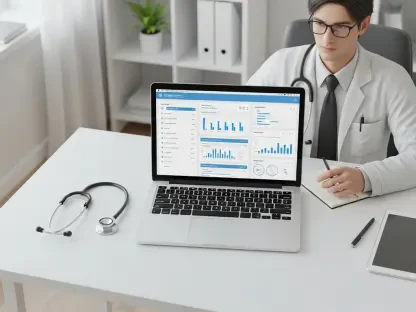
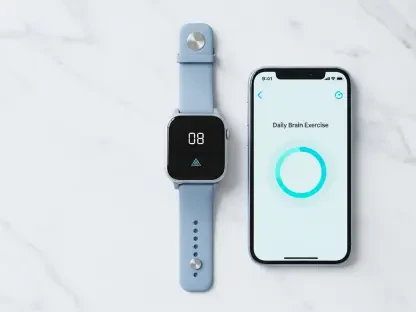
In the modern landscape of 2026, the integration of digital tools and real-time data analytics has become essential for optimizing patient outcomes and streamlining clinical workflows. The project utilizes advanced software platforms to collect and analyze health data, creating a continuous feedback loop that informs the refinement of intervention strategies. This technological approach allows for the precise tracking of functional improvements and health trends across diverse populations, providing a clear picture of what methods are most effective. Furthermore, these digital systems facilitate seamless communication between the various members of the interdisciplinary team, including nurses, social workers, and physiotherapists. By leveraging data in this way, the project ensures that care remains agile and responsive, allowing for the rapid implementation of adjustments based on the latest clinical evidence and participant feedback.
The ultimate success of the project is measured not only by individual outcomes but also by its potential to influence national health policies and achieve long-term scalability. By systematically documenting metrics such as reduced emergency room visits and improved quality of life scores, the initiative provides the quantifiable evidence needed to advocate for broader systemic changes. This data-driven approach demonstrates the cost-effectiveness of the service-learning and assessment model, making a compelling case for its adoption by regional and national health departments. The framework is intentionally designed to be adaptable, allowing it to be tailored to the specific cultural and resource-related needs of both urban and rural settings. This flexibility ensures that the innovations developed within the program can be exported to various regions, creating a standardized yet customizable blueprint for modern geriatric care.
Future Considerations: Sustaining the Momentum of Change
The GEROS Project established a robust foundation for a new era of geriatric care by successfully merging clinical excellence with community-focused education. As the program expanded, it demonstrated that the integration of Comprehensive Geriatric Assessments and service-learning models could effectively address the multifaceted challenges of an aging society. Healthcare professionals who participated in the project gained a more nuanced understanding of the social determinants of health, which allowed them to provide more holistic care throughout their subsequent careers. By prioritizing the autonomy of older adults and utilizing data-driven interventions, the initiative proved that proactive health promotion was more sustainable than traditional reactive models. These efforts resulted in a measurable improvement in the functional status of participants, highlighting the importance of early intervention in maintaining a high quality of life for the elderly population.
Moving forward, the focus must remain on the widespread implementation of these proven strategies within the broader healthcare infrastructure. Policy makers and health administrators should prioritize the integration of service-learning into all medical and nursing curricula to ensure that the workforce is prepared for the demographic realities of the coming decade. Additionally, the continued refinement of digital monitoring tools will be essential for maintaining the precision of care as the program scales to reach more diverse populations. Investing in community-based assessment centers can further decentralize care, making high-quality geriatric services accessible to those in underserved or rural areas. By building on the insights gained from this project, society can create a healthcare system that truly honors the aging process, fostering a future where every individual has the opportunity to age with dignity, health, and a strong sense of purpose.