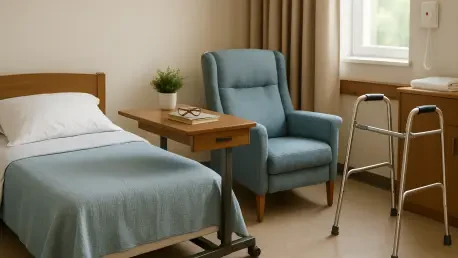

A groundbreaking consensus has emerged among leading health-care stakeholders, signaling an urgent need to dismantle the traditional, institutionalized frameworks of seniors’ care and replace them with a more humane, personalized system. At the recent “Health Forward” summit hosted by the Nanaimo Regional Hospital District, a diverse group of experts convened to champion a fundamental paradigm shift on Vancouver Island. The discussions moved beyond incremental adjustments, instead calling for a comprehensive rethinking of how society supports its aging population. The core theme that resonated throughout the event was the imperative to move toward a holistic and socially integrated model of care. This new vision is built on prioritizing the quality of life, autonomy, and unique individual needs of every senior, challenging the one-size-fits-all approach that has long dominated the sector. The summit served as a platform for unveiling innovative strategies that collectively point toward a future where elder care is not a reactive measure but a proactive and empowering journey.
A Proactive Focus on Wellness and Social Connection
Dr. Adam Hoverman, a respected family and public health physician, presented a compelling case for “social prescribing” as a cornerstone of this new approach, advocating for a profound change in the health-care dialogue from “what’s the matter with you” to “what matters to you.” He identified loneliness as a critical and often overlooked health issue with severe consequences, emphasizing that proactively addressing social isolation can lead to demonstrably better health outcomes and even extend life expectancy. The Nanaimo Social Prescribing Program was highlighted as a successful practical application of this philosophy. In this model, dedicated community connectors work with seniors to help them engage in activities that foster meaningful social connections, tailored to their individual interests and abilities. This method fundamentally reframes health care, viewing social engagement not as a luxury but as an essential component of preventative medicine, directly combating the detrimental effects of isolation and promoting a more vibrant, connected life for seniors within their communities.
Further building on this theme, Dr. Hoverman drew inspiration from successful international models to illustrate the transformative power of integrated community spaces. He pointed to the proven benefits of multigenerational living, where interactions between different age groups create a dynamic and supportive social fabric that benefits everyone involved. A particularly innovative example came from a social prescribing clinic in Turin, Italy, which has transcended the traditional clinical setting by integrating a library, an art gallery, and a bistro into its facility. This creates a vibrant community hub where health and wellness are seamlessly woven into the fabric of daily life, encouraging social interaction and engagement in a natural, welcoming environment. Such models demonstrate a clear departure from sterile, medical-only facilities, showcasing a future where health care is embedded within the community and proactively supports the social and emotional well-being of seniors as a primary goal rather than an afterthought.
Empowering Independence Through Technology and Customization
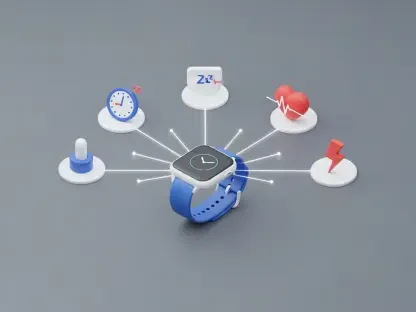
Derrick Bernardo, CEO of Broadmead Care, championed the strategic integration of technology to empower seniors, enabling them to age safely and comfortably within the familiar surroundings of their own homes. His organization’s “long-term care at home” project provides a clear blueprint for this vision, moving beyond simple emergency alert systems to create a comprehensive support network. This initiative equips seniors with an array of smart tools designed to mitigate common risks and enhance daily living. These include specialized, motion-activated lighting systems to prevent falls in high-risk areas, sophisticated technology to provide immediate assistance if a fall does occur, automated medication dispensers to ensure proper adherence to prescriptions, and user-friendly tablets for seamless communication with family and health-care providers. This technology-driven model is not about replacing human contact but augmenting it, providing a crucial layer of safety and support that fosters independence and peace of mind for both seniors and their families.
The true strength of this technology-enabled model lies in its inherent flexibility and commitment to creating genuinely individualized support plans. Mr. Bernardo emphasized that this is not a rigid, pre-packaged solution but a dynamic and collaborative process. Broadmead Care partners closely with home-care providers to design customized care plans that are meticulously tailored to each senior’s unique circumstances, health needs, and personal preferences. This approach also carefully considers the level of support available from family members, integrating it into the overall plan to create a cohesive and comprehensive network of care. The system is designed to be adaptable, evolving as a senior’s needs change over time. By combining cutting-edge technology with personalized human oversight, this model provides a powerful alternative to premature institutionalization, allowing seniors to maintain their autonomy and connection to their homes and communities for as long as possible.
Redefining the Residential Care Environment
A revolutionary vision for residential facilities was presented by Sharon Parkes of Providence Living, who showcased “The Views” in the Comox Valley as a paradigm-shifting alternative to the traditional nursing home. This facility decisively rejects the institutional framework, adopting a “social model” that re-imagines long-term care as a vibrant community. The physical structure is designed as a village composed of 13 distinct “households,” each accommodating just 12 residents and featuring its own fully functional kitchen. This design is foundational to promoting autonomy and personal choice, empowering residents to determine their own daily rhythms, such as when they wake up, what they eat, and how they spend their time. The environment is intentionally de-medicalized to feel more like a home than a hospital. For instance, nurses do not patrol the halls with medical carts; instead, residents are encouraged to attend appointments at a central medical center on-site, mirroring the experience of living in a typical community and visiting a local clinic.
This commitment to creating a normal living experience extends throughout the facility, which is equipped with a range of amenities designed to simulate a real-world community. Residents have access to a bistro, a grocery store, a wellness center, and a library, requiring them to engage in the routine activities of daily life. This design encourages mobility, social interaction, and a sense of purpose and normalcy that is often stripped away in conventional institutional settings. Ms. Parkes stressed that this profound transformation is not merely about constructing a modern building with updated features. Instead, it represents a deep and fundamental shift in the philosophy and culture of care. The ultimate goal is to create an environment where seniors are not passive recipients of care but active participants in a thriving community, where their dignity, independence, and personal preferences are honored and respected at every turn.
A Unified Vision for Lasting Change
The collective insights from the summit painted a clear and compelling picture of the future of seniors’ care. The presentations consistently moved away from a reactive, one-size-fits-all system that has historically defined the sector. Instead, a powerful consensus emerged around a proactive, person-centered approach that places the individual at the heart of every decision. This new paradigm championed the intrinsic value of social connection, the critical importance of personal choice, and the necessity of deep community integration. Whether a senior chose to live at home, supported by innovative technology, or in a residential facility redesigned as a community, the underlying principles remained the same. The event underscored a shared commitment to building a system that honors the dignity and autonomy of every older adult, marking a pivotal moment in the movement toward a more compassionate and effective model of care.