
Healthcare administration is currently navigating a period of unprecedented pressure as patient expectations for immediate communication clash with the reality of limited staffing resources. Dermatology Partners, a multi-state physician-owned group, recently confronted this bottleneck head-on across its forty-one locations in Pennsylvania, Maryland, and Delaware. The practice manages an immense volume of communication, handling between two thousand and four thousand inbound calls every single day. The most significant challenge proved to be the extreme volatility of these interactions, as call traffic on Monday mornings frequently doubled the volume seen on Friday afternoons. Staffing for these peak surges was not only financially unsustainable but also created a frustrating experience for patients who encountered long hold times or found themselves trapped in inefficient voicemail loops. These administrative hurdles often resulted in scheduling calls lasting up to twenty minutes, particularly when patients were unprepared for the clinical nuances required for a successful booking.
Strategic Implementation of Agentic Solutions
Selecting a Scalable Technological Foundation
To mitigate these persistent operational strains, the organization sought a scalable solution capable of absorbing surge capacity without the need for permanent increases in fixed labor costs. After a rigorous evaluation of available technologies, the group selected EliseAI, a sophisticated and fully interactive voice platform designed to manage complex conversational workflows. This decision was largely driven by the specific needs of a diverse patient demographic, particularly older individuals who often prefer traditional voice interactions over text-based or digital portal alternatives. The system had to be capable of navigating the intricate scheduling requirements of over eighty distinct providers, each with their own unique insurance restrictions, specialty constraints, and clinical preferences. By prioritizing a voice-first agentic model, the practice ensured that the technology could serve as a seamless extension of the front office rather than a barrier to access, maintaining high service standards during even the most demanding periods of peak administrative activity.
Integration With Core Medical Systems
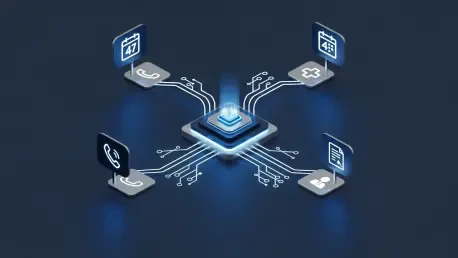
The successful deployment of this agentic AI depended heavily on its ability to integrate deeply with existing infrastructure, specifically the AdvancedMD practice management system and the Modernizing Medicine electronic health record. This connection allows the AI to perform a variety of high-level tasks that go far beyond simple appointment reminders or automated confirmations. It can now actively schedule, reschedule, or cancel visits based on real-time availability and provider-specific rules. Furthermore, the platform captures a wide range of clinical requests, including inquiries regarding wound care and medication refills, which are then documented as discrete tasks within the health record system. This automation significantly reduces the frequency of real-time phone interruptions for clinical staff, who previously had to pause patient care to answer basic questions. By shifting these tasks to an automated layer, the medical professionals within the practice can focus their attention entirely on direct patient interactions, thereby improving the overall quality of the clinical experience.
Operational Impact and Service Optimization
Measuring Success Through Resolution Rates
The early results of this technological shift indicate a significant improvement in how the practice manages its massive daily call volume and patient engagement. Currently, the AI system successfully resolves approximately twenty-five percent of all routed calls by completing appointment-related tasks without any human intervention. This shift allows the human administrative team to dedicate their energy to more complex, emotionally sensitive, or nuanced interactions that require a higher level of empathy and critical thinking. Performance is closely monitored through daily metrics that track resolution types and the overall success rates of automated scheduling attempts. The organization has established a near-term objective to increase this resolution rate to over fifty percent, reflecting a commitment to continuous refinement and optimization of the AI’s conversational capabilities. This data-driven approach ensures that the technology remains a valuable asset for protecting growth opportunities and maintaining consistent patient access regardless of the day or time a call is placed.
Future Directions for Patient Engagement
The integration of agentic AI into the daily operations of this large dermatology group demonstrated how sophisticated automation could harmonize administrative efficiency with clinical focus. This transition moved the practice away from a reactive staffing model and toward a proactive, scalable infrastructure that protected the patient experience. The strategic shift encouraged other healthcare organizations to view AI not as a replacement for personnel, but as a critical first-line response system that empowered staff to work at the top of their licenses. Future considerations for the medical group involved expanding these automated capabilities into deeper triage functions and personalized follow-up care pathways to further streamline the patient journey. By adopting a flexible and integrated platform, the organization established a blueprint for modern practice management that prioritized both operational sustainability and high-quality communication. This evolution successfully addressed the challenges of volume variability and laid the groundwork for a more resilient and patient-centered healthcare delivery model in the coming years.