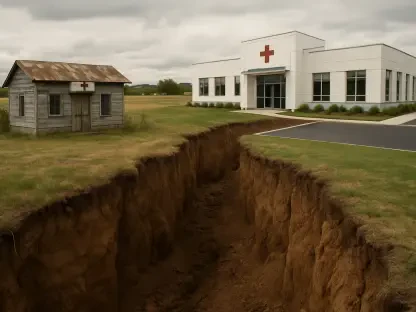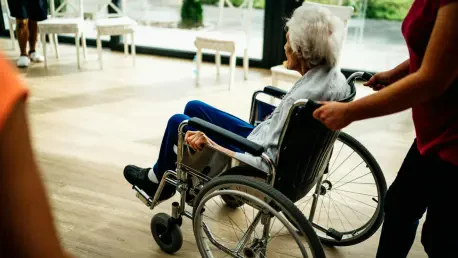

The haunting silence of a rural landscape often masks a desperate struggle for survival among the elderly and the family members who have become their sole lifeline in a crumbling social infrastructure. Barb Jestic’s story provides a window into this hidden crisis, illustrating how geographic isolation compounds the natural challenges of aging. In small-town America, where professional resources are vanishing at an alarming rate, the responsibility of elder care has shifted almost entirely to the shoulders of family members who are often ill-equipped and unsupported. This situation is not merely a personal hardship but a profound systemic failure that highlights a widening gap between the needs of a vulnerable population and the available state and local support systems. As the population continues to age in place, the reliance on unpaid, untrained labor has reached a breaking point, creating a private emergency that remains largely invisible to the policymakers who hold the keys to reform.
The Physical and Emotional Burden on Caregivers
The daily reality for rural caregivers involves a grueling schedule that frequently defies the limits of human endurance. For Jestic, managing her mother’s care required a massive logistical effort, involving long-distance travel from Missouri to rural Illinois to maintain a constant presence on the family farm. This rotation meant that her own home life, medical appointments, and immediate family relationships were placed on indefinite hold to ensure her ninety-year-old mother was never left unattended. The physical strain of such an arrangement is immense, yet it is often the emotional weight of being the primary safety net that proves most taxing. When a single individual becomes responsible for every aspect of another’s survival, from meal preparation to hygiene and safety, the margin for error disappears entirely. This pressure is exacerbated by the isolation of the rural setting, where the nearest neighbor might be miles away, and the sense of being forgotten by the broader society becomes a constant, heavy companion for the exhausted daughter.
Beyond the logistical challenges, the cognitive decline associated with dementia introduces a level of psychological warfare that few families are prepared to face alone. The presence of nighttime hallucinations means that a caregiver’s shift never truly ends, as the need for vigilance persists through the hours when most people are recovering from their daily labors. Jestic noted that the lack of restorative sleep quickly leads to a state of chronic burnout, which impairs decision-making and erodes the health of the caregiver themselves. This 24/7 commitment illustrates a consensus among those living through this crisis: without a robust professional support network, the safety of the elderly parent is purchased at the cost of the child’s well-being. The current environment forces an impossible choice between abandonment and self-destruction, as the specialized care required for dementia is simply not available in sparsely populated regions. This cycle of exhaustion is not an outlier but a standard expectation for those navigating the rural caregiving landscape.
Navigating the Rural Resource Desert
Urban centers typically offer a variety of safety valves for families, such as adult day care centers or specialized home nursing agencies that provide much-needed respite for weary relatives. However, the rural landscape has become a resource desert where these essential services are virtually nonexistent, leaving families to operate in a vacuum. In these areas, the professional workforce has dwindled, and the few remaining agencies are often overwhelmed or prohibitively far away. For the Jestic family, the search for professional help revealed a stark reality: there were no centralized directories or local agencies equipped to handle the complex needs of an aging resident. This lack of infrastructure means that even families with the financial means to pay for private help often find that there is simply no one to hire. The geographic distance between small towns and medical hubs effectively creates a barrier to care that cannot be overcome by individual effort alone, regardless of the family’s dedication or resources.
When minimal help was eventually secured, the family encountered further barriers in the form of rigid liability rules and narrow professional definitions. Local home health aides and state-provided caretakers were often restricted by policies that prevented them from performing basic yet critical tasks, such as administering medication or preparing meals. This left the family with a level of assistance that was largely symbolic, as the most pressing daily needs still fell to the daughters. This disconnect between the legal limitations of professional roles and the actual requirements of the elderly patient highlights a profound failure in how rural care is organized. The absence of a coordinated government response or a local medical liaison meant that the family had to act as their own case managers, medical advocates, and primary laborers. This administrative vacuum forces caregivers to navigate a labyrinth of medical needs and safety concerns without the benefit of professional expertise, further deepening the sense of isolation and helplessness.
Financial Obstacles and Bureaucratic Hurdles
Accessing financial assistance should be a straightforward process for those in need, yet the reality of state-sponsored programs like Medicaid is often characterized by overwhelming bureaucratic hurdles. To qualify for reimbursement or support, families are frequently required to maintain meticulously detailed logs of every interaction, medication dose, and caretaking action. These records must be submitted on a strict weekly schedule, a task that demands a high level of organizational focus and time. For a caregiver already suffering from chronic sleep deprivation and the constant demands of a parent with dementia, this level of documentation is not just difficult; it is practically impossible. The system operates on the assumption that caregivers have the cognitive and physical energy to function as professional administrators while simultaneously providing round-the-clock medical care. This administrative “red tape” effectively acts as a gatekeeper, preventing the most desperate families from accessing the very funds that are legally intended to support them.
There is a cruel irony in the fact that the families most in need of financial relief are the ones least capable of meeting the stringent requirements set by state agencies. The financial instability caused by long-term caregiving is often compounded by the inability to hold regular employment, yet the path to state aid is blocked by paperwork that requires the time and focus of a full-time job. Jestic pointed out that the irony of this system is that it punishes the very dedication it claims to support by making the process of receiving help a source of additional stress. This bureaucratic burden suggests a lack of empathy within the legislative frameworks governing elder care, as it fails to account for the lived reality of those on the front lines. Instead of a supportive hand, the state often presents a list of demands that serves only to exacerbate the exhaustion of the family. The financial strain of rural caregiving is thus not just a matter of low funding levels, but a result of a system designed with barriers that prioritize administrative convenience over human need.
Systemic Funding Failures and the Need for Reform
At the heart of this crisis is a funding logic that prioritizes population density over the fundamental rights of aging citizens. Policymakers often find it difficult to justify the expense of building specialized facilities or subsidizing home care programs in regions where the population is sparse and dispersed. This results in a cycle of institutional neglect where resources are concentrated in urban corridors, leaving rural residents to fend for themselves with outdated or nonexistent infrastructure. This approach implies that the value of an elderly person’s comfort and safety is determined by their zip code, an inequity that Jestic and many others find fundamentally unjust. The current model relies on the assumption that rural families will always step in to fill the gap, providing a “free” service that actually carries a massive hidden cost to the economy and the health of the citizens involved. Without a significant shift in how resources are distributed, the divide between rural and urban aging will only continue to widen as the healthcare landscape evolves.
The resolution of the rural elder care crisis required a comprehensive overhaul of how the nation approached its aging population in sparsely populated areas. Moving forward, lawmakers must prioritize the decentralization of healthcare resources and the creation of regional hubs that can provide respite care and professional staffing to small towns. Streamlining the bureaucratic process for Medicaid and other assistance programs would allow families to focus on the quality of care rather than the burden of documentation. Furthermore, investment in rural infrastructure, including better transit and specialized housing, could prevent the traumatic and sudden transitions to institutional care that many elderly residents currently face. By shifting the funding focus from population counts to service accessibility, society could ensure that dignity in aging is a right afforded to everyone, regardless of where they choose to live. The story of those who struggled in the past provided a clear roadmap for a future where community-based support and state resources finally work in tandem to support the most vulnerable.