
In communities where the choice between purchasing essential medicine and buying food is a daily reality, the accessibility of healthcare is not just a policy debate but a matter of survival. A groundbreaking initiative in the Ogbia Federal Constituency is directly confronting this challenge by testing a model where a substantial influx of free pharmaceuticals, coupled with facility upgrades, aims to fundamentally reshape public health at the grassroots level. Led by Representative Mitema Obordor, PhD, this multifaceted intervention at the Opume Primary Health Care Center moves beyond simple charity by embedding strict conditions of non-commercialization and accountability to ensure that relief reaches the most vulnerable. This effort, following a similar move at another local health center, signals a strategic push to dismantle the financial barriers that have long stood between residents and adequate medical care, raising critical questions about the potential for such models to be replicated elsewhere.
A Holistic Strategy for Grassroots Care
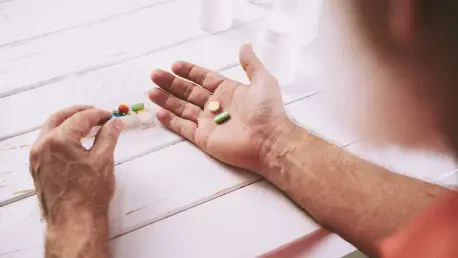
The core of this health initiative is a carefully planned distribution of medical supplies designed to address the community’s most pressing needs. Rather than a generic donation, the project provided drugs valued at millions of naira, specifically selected to combat common ailments prevalent in the region. This targeted approach underscores a deep understanding of local health challenges. The recent effort at the Opume center was not an isolated event but part of a broader, deliberate campaign, coming just a day after a similar donation was made to the Onuebum/Otuokpoti Health Center. By systematically supplying key facilities, the lawmaker is building a network of accessible care points. The primary objective is to lift the heavy financial burden of medical expenses from low-income families, ensuring that cost is no longer a deterrent to seeking treatment for preventable or manageable conditions. This strategic provision of essential medicines is the first pillar in a comprehensive plan to revitalize local healthcare from the ground up.
Beyond the provision of pharmaceuticals, the project embraces a holistic vision of healthcare development that recognizes the critical importance of the physical environment. The extensive renovation of the Opume Primary Health Care Center was undertaken in parallel with the drug donation. This dual focus acknowledges that even the best medical supplies are less effective in a dilapidated or poorly equipped facility. The improvements were designed to create a more conducive and efficient setting for both patients receiving care and the medical staff providing it. This comprehensive approach is rooted in the philosophy that functional infrastructure, a steady supply of essential drugs, and a well-trained workforce are the three essential components of a robust healthcare system. By investing in the facility itself, the initiative aims to enhance the overall quality of service, improve patient outcomes, and boost the morale of healthcare providers, demonstrating that true progress requires a commitment to every aspect of the care ecosystem.
Building Trust Through Transparency and Action
A defining feature of this health intervention is the uncompromising stipulation that all donated medical supplies must be dispensed to patients entirely free of charge. This directive was not merely a suggestion but a strict condition communicated to facility managers and healthcare providers. Representative Obordor issued a clear warning against any attempt to commercialize the drugs, emphasizing that the project’s success hinges on its ability to serve the public without imposing a financial cost. This focus on accountability is crucial for building and maintaining community trust. By ensuring the transparent and proper use of these valuable resources, the initiative aims to foster a stronger, more positive relationship between residents and their local health center. This trust is fundamental, as it encourages community members to seek preventative care and timely treatment, knowing that the system is designed to support them rather than exploit their needs. The transparent management of these supplies is positioned as the key to maximizing the intervention’s impact.
The community’s response to the initiative has been overwhelmingly positive, reflecting a deep-seated need for such support and a readiness to partner in its success. Local leaders and health workers, represented by Chief Donald Ase, formally conveyed their gratitude for what they described as a timely and highly beneficial project. Crucially, they offered a firm assurance that the directive for free distribution would be strictly followed, pledging to manage the process with complete transparency and fairness. This pledge from community stakeholders is vital, as it establishes a local system of oversight and reinforces the principle of accountability. Other residents present at the handover echoed these sentiments, expressing optimism that the initiative would directly address the persistent challenge of accessing affordable medicine. Their collective hope is that this support will lead to a tangible reduction in preventable illnesses and a significant improvement in the area’s overall public health, framing the project not just as a donation but as a collaborative effort for community well-being.
A New Blueprint for Community Well-Being
The strategic intervention in the Ogbia Federal Constituency provides a compelling case study in holistic community development. The initiative successfully integrated the provision of essential resources, such as free pharmaceuticals, with necessary improvements to public infrastructure, exemplified by the health center’s renovation. This dual approach demonstrates a nuanced understanding that sustainable progress requires addressing both immediate needs and the underlying systems that support community health. The overwhelmingly positive reception from local leaders and residents confirmed that the project was not only timely but also deeply resonant with their most pressing concerns. By focusing on accessibility, accountability, and the tangible improvement of local facilities, the lawmaker established a strong foundation of trust and collaboration, which is essential for the program’s long-term impact. This model frames healthcare not as an isolated issue but as an integral part of a broader strategy aimed at enhancing the overall quality of life for every resident.