
The demographic shift toward an aging global population has placed an unprecedented strain on modern healthcare systems, particularly regarding the rise of age-related cognitive disorders. As individuals live longer, the period of life spent navigating the complexities of memory loss and executive dysfunction has expanded, creating a critical need for scalable and effective interventions. Recent clinical evaluations suggest that digital health interventions (DHIs) are no longer merely experimental but represent a primary strategy for addressing Subjective Cognitive Decline (SCD) and Mild Cognitive Impairment (MCI). These specific conditions are often viewed as the “golden window” for medical intervention because the brain still possesses enough functional integrity to respond to targeted cognitive stimuli. By leveraging mobile applications, immersive virtual reality, and sophisticated telehealth platforms, clinicians are finding new ways to slow the progression of memory loss while significantly enhancing the daily quality of life for seniors who are at risk of developing more severe forms of dementia.
The Evolution of Digital Therapy
Engaging Neural Pathways through Technology
Modern digital health tools have moved far beyond the simplistic “brain games” of the past decade, evolving into sophisticated medical resources rooted in the principles of neuroplasticity. Cognitive training applications now utilize complex algorithms to target specific neural pathways through repetitive tasks that focus on spatial awareness, logic, and short-term memory retention. These platforms are designed to be adaptive, increasing in difficulty as the user improves, which ensures that the brain remains consistently challenged without reaching a plateau. This systematic approach to mental exercise encourages the formation of new synaptic connections, effectively helping the brain to reorganize itself even in the later stages of life. Such interventions provide a non-pharmacological pathway to maintaining cognitive health, offering a level of precision that traditional methods often lack when trying to isolate specific mental functions for improvement.
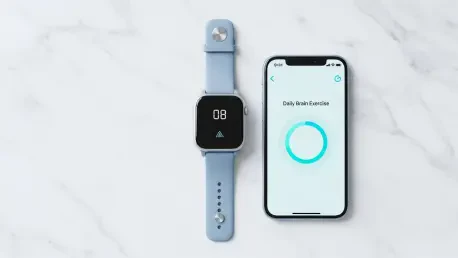
Furthermore, the integration of wearable technology and telehealth services has created a holistic ecosystem for monitoring and maintaining brain health. Wearable sensors now track physiological data points such as sleep quality, heart rate variability, and physical activity levels, all of which are intrinsically linked to the rate of cognitive preservation. This data allows healthcare providers to see a comprehensive picture of a patient’s lifestyle, enabling more personalized adjustments to their treatment plans. Telehealth platforms complement this by bridging the gap between clinical environments and the home, providing remote access to cognitive behavioral therapy and professional counseling. This transition to home-based digital care ensures that patients in the early stages of decline can receive high-quality support without the logistical stress of frequent hospital visits, making long-term adherence to cognitive health regimens much more feasible for the average senior.
The Scientific Shift toward Neuroplasticity
Research findings from 2026 to 2028 indicate that digital interventions produce statistically significant improvements across multiple cognitive domains, including attention span and processing speed. Unlike traditional pharmaceutical treatments, which may carry systemic side effects or demonstrate limited efficacy in the very early stages of memory loss, digital tools offer a high safety profile and measurable results. By focusing on the enhancement of specific cognitive functions, these technologies help individuals maintain their independence for longer periods. The data suggests that consistent engagement with these digital platforms can stall the transition from mild impairment to clinical dementia, providing a buffer that allows seniors to stay active and engaged in their communities. This shift from reactive symptom management to proactive cognitive enhancement marks a major turning point in how the medical community approaches the challenges of an aging brain.
The success of these digital tools fundamentally challenges the long-standing “deficit model” of aging, which historically characterized mental decline as an inevitable and irreversible downward trajectory. Instead, the current scientific consensus emphasizes the concept of “cognitive reserve,” suggesting that the brain can build up a surplus of functional capacity that protects against the physical manifestations of aging. When seniors participate in structured, digitally-mediated cognitive exercises, they are essentially strengthening their mental resilience. This proactive building of cognitive assets means that even if some biological degradation occurs, the functional impact on the individual’s life is minimized. This perspective empowers older adults, shifting the narrative from one of passive decline to one of active mastery and preservation. It suggests that with the right technological support, the human brain remains a dynamic and adaptable organ throughout the entire lifespan.
User Experience and Emotional Wellness
Creating Accessible and Socially Connected Tools
For digital health interventions to be effective in a real-world setting, they must be meticulously designed to overcome the unique physical and sensory barriers faced by the elderly. Many older adults experience challenges such as diminished eyesight, reduced manual dexterity, or a lack of familiarity with modern software interfaces. To address this, developers have focused on creating “senior-centric” designs that prioritize intuitive navigation, high-contrast visuals, and simplified menu structures. By removing these technical hurdles, the tools become more accessible to a wider demographic, ensuring that technology serves as a bridge rather than a barrier. When the user interface is seamless, the senior can focus entirely on the cognitive exercises at hand, which maximizes the therapeutic value of the session and prevents the frustration that often leads to the abandonment of digital health programs.
Motivation is another critical factor in the success of long-term cognitive therapy, leading many developers to incorporate “gamification” elements into their platforms. By introducing features such as milestone rewards, progress tracking, and interactive storytelling, these apps transform repetitive mental exercises into engaging experiences. This approach not only encourages daily use but also provides users with a sense of accomplishment that is vital for emotional well-being. Furthermore, many of these platforms now include social connectivity features, allowing users to interact with peers or participate in group challenges. This social dimension is crucial because it addresses the profound isolation that many seniors feel, which is a known risk factor for accelerated cognitive decline. By fostering a sense of community and shared purpose, digital tools help maintain the social fabric that is necessary for a healthy and resilient mind.
Psychological Benefits and Safety Profiles
Beyond the measurable improvements in memory and logic, digital health tools provide essential psychological support for individuals grappling with the uncertainty of cognitive decline. Many seniors who notice early signs of memory loss experience significant anxiety or depression, which can further impair their mental performance. Engaging with digital therapies gives these individuals a sense of agency and control over their health, often leading to a noticeable boost in self-esteem and general outlook. When a person sees their scores improve on a cognitive app, it reinforces the idea that their mental state is not static and that improvement is possible. This positive feedback loop is a powerful tool in combating the fatalism often associated with aging, replacing fear with a constructive focus on daily progress and mental maintenance.
From a clinical and operational standpoint, the safety profile of digital health interventions is remarkably superior to many traditional medical interventions for the elderly. In a population where polypharmacy—the use of multiple medications—is a common concern, the introduction of a non-invasive, drug-free therapy is highly advantageous. Reported side effects are minimal, usually limited to temporary eye strain or mild fatigue, which are easily managed by adjusting the duration of use. Studies consistently show that the “dosage” of digital therapy is most effective when it is delivered in short, consistent bursts rather than infrequent, high-intensity sessions. This low-risk, high-reward profile makes digital tools an ideal first-line strategy for healthcare providers. It allows for early intervention without the risk of adverse chemical interactions, ensuring that the primary focus remains on the preservation of the patient’s cognitive and physical integrity.
The New Standard of Geriatric Care
Scaling Digital Solutions for Global Impact
The global health shifts observed from 2026 to the present have fundamentally altered the landscape of geriatric care, establishing digital health as a cornerstone of modern medical practice. The necessity of remote monitoring and home-based care has proven that these digital interventions are not only effective but also exceptionally scalable across diverse geographic and socioeconomic regions. Healthcare systems can now deploy cognitive training programs to thousands of patients simultaneously, reaching those in rural areas who might otherwise lack access to specialized neurology clinics. This democratization of care reduces the financial and logistical burdens on both the patient and the provider, allowing for a more equitable distribution of health resources. By utilizing cloud-based platforms, clinicians can monitor progress in real-time, intervening only when the data suggests a significant change in the patient’s cognitive status.
This shift toward digital-first care models also provides a more sustainable framework for managing the long-term needs of an aging population. Traditional in-person consultations are often limited by the availability of specialists and the physical mobility of the patient. In contrast, digital tools offer 24/7 availability, allowing seniors to engage with their therapy at the times when they feel most alert and capable. This flexibility enhances the efficacy of the treatment, as it aligns the intervention with the individual’s natural circadian rhythms and energy levels. Moreover, the data collected through these interactions offers a level of granularity that was previously impossible to achieve. Instead of relying on a single annual exam, doctors now have access to a continuous stream of performance data, enabling them to detect subtle shifts in cognitive function years before they would become apparent through traditional diagnostic methods.
Future Perspectives and Actionable Implementation
As the industry moves forward, the integration of advanced biological markers and artificial intelligence will further refine the precision of digital health interventions. Future clinical trials are expected to combine cognitive app data with neuroimaging and blood-based biomarkers to provide a comprehensive view of how digital training physically alters brain structure. This evidence will be crucial for securing broader insurance coverage and standardizing these tools within national health policies. Furthermore, the application of machine learning will allow these programs to become truly bespoke, automatically adjusting the therapeutic content based on the user’s specific strengths, weaknesses, and rate of progress. This level of personalization will ensure that every minute spent on a digital platform is optimized for the maximum possible cognitive gain, pushing the boundaries of what is achievable in geriatric medicine.
To capitalize on these technological advancements, healthcare providers and policymakers should prioritize the integration of digital literacy programs for seniors alongside the deployment of the tools themselves. Ensuring that the aging population feels confident and competent using these devices is as important as the medical efficacy of the software. Additionally, investment should be directed toward making these tools affordable and compatible with a wide range of hardware to prevent a “digital divide” in cognitive health. By fostering a collaborative environment between software developers, clinicians, and social workers, society can create a comprehensive support system that treats cognitive preservation as a lifelong journey. The ultimate goal is to move toward a future where early detection and digital intervention are standard parts of healthy aging, preserving the dignity and independence of seniors for decades to come.