
The staggering demographic shift of 70 million baby boomers transitioning into their senior years has created a pressure cooker environment for the American healthcare system that cannot be resolved through software alone. As this massive population ages, the intersection of technological ambition and biological reality has become a focal point for intense debate among policymakers and healthcare providers. While Silicon Valley developers pitch artificial intelligence as the definitive answer to the escalating elder care crisis, these automated solutions frequently overlook the intricate requirements of the human experience. Caring for an aging individual is not a series of discrete data points to be optimized but a complex tapestry of emotional, physical, and psychological needs. The push toward full automation threatens to strip away the dignity of the elderly by replacing empathetic interaction with algorithmic logic. Without a fundamental shift in how technology is integrated into the geriatric space, the risk of isolating our oldest citizens grows.
The inherent limitations of automated systems become painfully obvious during physical or emotional crises where situational context is the deciding factor between safety and catastrophe. A tablet equipped with advanced AI might perform tasks like tracking medication schedules or playing personalized music with high precision, yet it remains fundamentally oblivious to the nuanced signs of a sudden fall or a subtle shift in cognitive behavior. This failure of context highlights a profound divide between functional intelligence, which operates on programmed rules, and emotional intelligence, which recognizes human distress through non-verbal cues. Relying solely on these technologies creates a false economy of efficiency that prioritizes cost savings over the identification of gradual decline. When a machine fails to notice that a senior has stopped eating or has become unusually withdrawn, the technological promise of safety is revealed as a thin veneer that cannot replace a vigilant caregiver.
The Growing Void in Geriatric Resources
The Impact of a Shrinking Workforce: A System Under Pressure
The American medical landscape is currently facing a catastrophic deficit in professionals who are specifically trained to handle the multifaceted challenges of the aging population. Current statistics indicate that there is only one board-certified geriatrician available for every 10,000 older adults, a ratio that leaves the medical infrastructure completely unprepared for the ongoing Silver Tsunami. This shortage is not a mere accident of timing but the result of systemic issues, including a significant pay disparity between geriatric specialists and general internists. While other fields offer higher compensation and lower complexity, geriatrics requires an intensive commitment to managing chronic conditions and end-of-life care that many young physicians avoid. This vacuum has created a precarious situation where the complex medical needs of seniors are being managed by generalists who may lack the specialized knowledge required to address geriatric syndromes effectively or empathetically.
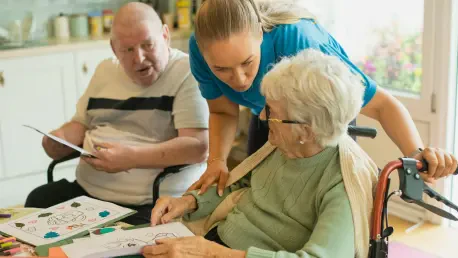
Beyond the shortage of specialized doctors, the broader nursing and home health workforce is experiencing an unprecedented burnout epidemic that technology cannot resolve through automation alone. Professional caregivers are often expected to manage high-tech monitoring systems while also performing the physically demanding and emotionally draining labor of daily assistance. This dual burden often leads to high turnover rates, which further destabilizes the continuity of care that is vital for patients with dementia or mobility issues. When the human element is stretched too thin, the quality of interaction suffers, turning caregiving into a series of clinical checkboxes rather than a supportive relationship. The scarcity of human resources has led some facilities to lean more heavily on surveillance tools, but this shift frequently exacerbates the feelings of abandonment felt by residents. Rebuilding the workforce requires more than just better tools; it necessitates a cultural revaluation of the labor of caring.
The Risks of Commercializing Care: Profit Versus Presence
The surge in demand for elder care has spurred a massive commercial movement, with the market for AI-integrated senior care tools projected to surpass $300 billion by the middle of the next decade. Venture capital is flowing into startups that promise to replace human staff with social robots and predictive algorithms designed to monitor every aspect of a senior’s life. However, critics argue that these high-tech interventions are often designed to paper over the systemic wounds of understaffing rather than provide genuine healing or companionship. While a robot can provide reminders or basic entertainment, it cannot offer the intuitive comfort of a human hand or the shared understanding of a life well-lived. The commercialization of aging risks turning the final years of life into a data-collection exercise where efficiency is the primary metric of success. This trend overlooks the fundamental truth that aging is a human journey that requires presence, not just a suite of expensive digital solutions.
Another significant hurdle in the commercialization of elder care is the widening digital literacy gap among both the elderly and the frontline staff tasked with operating new technologies. Many family members who provide unpaid care find themselves overwhelmed by complex interfaces and troubleshooting requirements, which adds another layer of stress to an already taxing role. When technology becomes a barrier rather than a bridge, the resulting frustration can lead to a sense of efficient loneliness for the seniors involved. They may be physically safe according to the sensors, but they are socially and emotionally starved because the technology has replaced human visitation. This disconnect is particularly dangerous in home care settings, where the reliance on remote monitoring can lead to a decrease in physical check-ins. True innovation must account for the human user experience, ensuring that systems empower caregivers rather than replacing the essential warmth of human proximity with a cold, digital interface.
Bridging the Gap Through Human-Centric Policy
Integrating Technology as a Support Scaffold: A Hybrid Approach
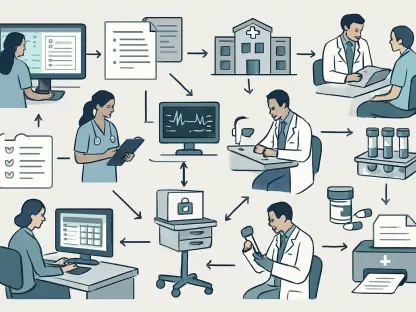
To navigate these complexities, a shift toward a hybrid care model is necessary, positioning technology as a supportive scaffold that enhances rather than replaces human interaction. This evolution requires the Centers for Medicare & Medicaid Services to modernize their reimbursement structures to reward organizations that pair AI-driven monitoring with a guaranteed minimum of human contact hours. By automating routine administrative tasks and basic data tracking, technology can theoretically free up caregivers to spend more time on high-touch activities like conversation and physical therapy. The primary goal is to ensure that technological advancements facilitate a higher quality of human connection by removing the friction of manual documentation. In this model, an algorithm might flag a heartbeat irregularity or a change in sleep patterns, but the subsequent response is always led by a trained professional who can provide the necessary emotional reassurance and nuanced clinical judgment.
Effective integration also means developing specialized tools that are designed with the specific limitations and needs of the geriatric population in mind from the beginning. Instead of general-purpose AI, the industry needs systems that are trained on the unique behavioral patterns and health trajectories of older adults to reduce false alarms and improve accuracy. When technology works in the background to provide a safety net, it allows seniors to maintain their independence for longer periods without feeling like they are under constant surveillance by a machine. This balanced approach acknowledges that while data can inform care, it cannot constitute the entirety of the care experience itself. The focus must remain on using innovation to solve logistical problems so that the human spirit of caregiving can flourish. By valuing the synergy between human empathy and machine precision, society can create an environment where technology serves the individual rather than forcing the individual to adapt to the technology.
Strengthening the Caregiving Infrastructure: Future Policy Directions
Structural reform must also prioritize the financial and educational stability of the people who form the backbone of the elder care industry through targeted policy interventions. Implementing federal caregiver tax credits would provide essential relief to the millions of family members who provide billions of dollars in unpaid labor every year. Additionally, closing the pay gap for geriatricians through comprehensive loan forgiveness programs and increased Medicare reimbursement rates is vital to attracting new talent to the field. These economic incentives would help stabilize the workforce and ensure that there are enough qualified professionals to manage the increasingly complex needs of a growing senior population. Without these financial pillars, the caregiving infrastructure will continue to crumble, leaving even the most advanced technological solutions without the human oversight they require to be effective. Investing in the human workforce is not just a moral imperative but a necessary economic strategy for a sustainable future.
The path forward demanded a renewed focus on intergenerational programs that linked students in healthcare disciplines with families in immediate need of support and companionship. Policymakers recognized that aging was a shared human experience that required a collective response grounded in empathy rather than a reliance on isolated software tools. By establishing robust educational pipelines and financial safety nets, society took the first steps toward ensuring that no senior was ever abandoned to the care of a machine. These measures promoted a system where technology served as a tool for efficiency while the human touch remained the primary source of healing and dignity. The successful integration of technology depended on its ability to amplify human presence, proving that the most advanced algorithm could never replace the wisdom found in a human gaze. Ultimately, the commitment to preserving the human element in geriatric care ensured that the final chapters of life were defined by connection rather than automation.