

The transition into the catastrophic coverage phase now requires beneficiaries to reach a higher spending threshold of $2,400 before their cost-sharing obligations end. This specific modification represents a broader realignment of the Medicare landscape as the federal government and private

A system that fails to account for a resident’s cultural and historical context risks providing care that feels threatening or oppressive to the individual. In the evolving landscape of long-term care in 2026, healthcare professionals are increasingly recognizing that clinical excellence must be

Medical anthropology suggests that the 'gift relationship' in pharma marketing is a calculated strategy designed to leverage human social instincts for commercial gain. This dynamic operates on the deeply ingrained principle of reciprocity, where the act of receiving a benefit—even a minor one like

Hybrid healthcare delivery systems aim to create a win-win scenario where technology makes medical services both more responsive and more accessible to patients. This fundamental shift is currently being spearheaded by GTC Consulting through the publication of its latest U.S. patent application,

The unique logistical needs of different life stages, from the mobility of the elderly to the school schedules of youth, dictate the ultimate success of mental health outreach programs. A recent scoping review published in BMC Health Services Research explores these fluctuations by applying the

The proposed CMS rule threatens to dismantle the 'hospital at home' model that has successfully improved medication adherence and lifestyle choices for seniors in isolated areas. This regulatory shift targets the fundamental ways in which digital health technologies, including smart scales and
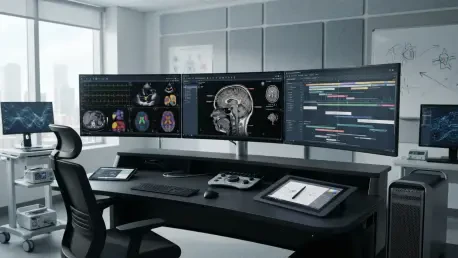
In a study tracking 87 chart reviews, clinicians spent nearly a quarter of their time analyzing a patient's social and family background to inform follow-up care plans. This focus reveals a pivot in how medical professionals approach the vast archives of the electronic health record, where

Identifying exactly where assumptions are failing within the recruitment funnel allows research teams to protect their budgets and safeguard their project timelines. In the current landscape of 2026, medical breakthroughs often stall not due to a lack of scientific ingenuity, but because the
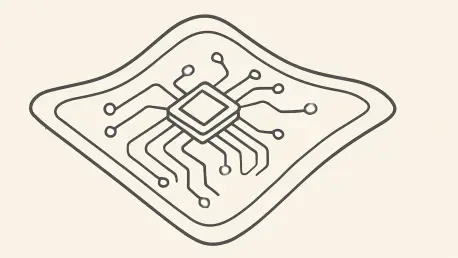
On-device training in federated learning systems often results in slower model convergence and higher energy consumption than the low-cost microcontrollers in biosensors can manage. This technical bottleneck is merely the tip of the iceberg when considering the global deployment of next-generation

While Federated Learning allows medical devices to analyze sensitive patient data locally, the decentralized framework creates new opportunities for adversaries to manipulate model updates. This shift toward the Internet of Medical Things has connected thousands of sensors, from pacemakers to
1 2 3 4 5 6 7 8 9 10 11 12 13 14 15 16 17 18 19 20 21 22 23 24 25 26 27 28 29 30 31 32 33 34 35 36 37 38 39 40 41 42 43 44 45 46 47 48 49 50 51 52 53 54 55 56 57 58 59 60 61 62 63 64 65 66 67 68 69 70 71 72 73 74 75 76 77 78 79 80 81


